Classic Piña Colada
The Ultimate Classic Piña Colada Recipe
There is perhaps no cocktail in the world that instantly transports you to a sun-drenched, white-sand beach quite like a perfectly blended Piña Colada. With its frosty, creamy texture, the intoxicatingly sweet aroma of coconut, and the bright, tart zing of fresh pineapple, this iconic beverage is the undisputed king of tropical drinks. Whether you are lounging by a resort pool, hosting a backyard summer barbecue, or simply trying to escape a dreary winter afternoon from the comfort of your own kitchen, the Piña Colada offers a mini-vacation in every single glass.
While many people rely on pre-made, neon-yellow, overly synthesized bottled mixes to create this drink at home, the truth is that making a scratch-made Piña Colada is incredibly simple and yields a profoundly superior result. By utilizing high-quality rum, genuine cream of coconut, and real pineapple, you elevate this cocktail from a sugary tourist trap into a balanced, sophisticated, and deeply refreshing culinary experience. In this comprehensive guide, we will explore the rich history of the Piña Colada, delve into the critical differences between various coconut products, provide a foolproof step-by-step recipe, and offer expert tips to ensure your blender produces absolute perfection every single time.
The Fascinating History of the Piña Colada
To truly appreciate the Piña Colada, it helps to understand its origins. The name itself translates directly from Spanish to “strained pineapple,” referencing the freshly pressed and filtered pineapple juice used in the original concoctions. The modern identity of the cocktail, however, is fiercely claimed by the beautiful island of Puerto Rico, where it was officially declared the national drink in 1978.
The most widely accepted origin story traces the cocktail back to 1954 at the Caribe Hilton Hotel in San Juan, Puerto Rico. A bartender named Ramón “Monchito” Marrero was tasked by hotel management with creating a new signature drink that would capture the essence of the island and delight the glamorous celebrities and tourists frequenting the resort. After three months of tireless experimentation, mixing and matching various local ingredients, Marrero finally struck liquid gold. His winning formula combined the newly invented Coco López (a pre-sweetened cream of coconut developed by a University of Puerto Rico agriculture professor), local light rum, and fresh pineapple juice, poured over crushed ice.
The drink was an instant, overwhelming sensation. Hollywood stars like Joan Crawford famously declared it better than slapping a co-star. The Piña Colada quickly spread beyond the walls of the Caribe Hilton, finding its way onto cruise ships, tiki bar menus, and resort lounges across the globe. Today, it remains a symbol of leisure, relaxation, and tropical escapism. Making one at home is a way to honor that rich, mid-century cocktail history.
The Great Coconut Confusion: Choosing the Right Ingredient
The absolute most common mistake home mixologists make when attempting a Piña Colada is buying the wrong coconut product. The grocery store aisles are flooded with different coconut liquids, and choosing the wrong one will result in a watery, separated, or unsweetened disaster. Let us break down the terminology so you never make this mistake:
- Cream of Coconut (Correct Ingredient): This is the holy grail for Piña Coladas. Cream of coconut is a thick, heavily sweetened syrup made from coconut cream and sugar. The most famous brand is Coco López, but others like Real or Goya make excellent versions. It has the consistency of sweetened condensed milk and provides both the intense coconut flavor and the necessary sweetness for the cocktail.
- Coconut Cream (Incorrect): Not to be confused with “cream of coconut,” coconut cream is unsweetened and very thick. It is essentially coconut milk with much less water. If you use this, your drink will be incredibly rich but completely lack the sweetness required to balance the rum and acidic pineapple.
- Coconut Milk (Incorrect): This is the liquid extracted from grated coconut meat, commonly used in Thai curries and soups. It is far too thin and unsweetened to create the frosty, slushy texture of a proper Piña Colada.
- Coconut Water (Incorrect): This is the clear liquid found inside young green coconuts. It is highly hydrating and delicious, but utterly useless in a blended creamy cocktail.
Always double-check your label: you are looking for the sweet, syrupy, indulgent Cream of Coconut.
Why You Will Love This Scratch-Made Recipe
Once you ditch the store-bought mix and follow this authentic recipe, you will notice a world of difference. Here is why this method is superior:
First, the texture is unparalleled. Store-bought mixes often rely on artificial emulsifiers that leave a strange film on the palate. By using real frozen pineapple chunks along with the ice, you create a velvety, smoothie-like consistency that doesn’t melt and separate immediately. Second, you have total control over the sweetness. Commercial mixes are notoriously cloying, giving you a sugar crash before you finish the glass. This recipe perfectly balances the natural tartness of the fruit with the rich cream of coconut. Finally, the flavor profile is infinitely brighter and more vibrant. Real, quality ingredients simply taste better than synthetic flavorings and preservatives.
Ingredients for the Perfect Piña Colada
Gathering the right ingredients is half the battle. Here is a detailed breakdown of everything you need to craft the ultimate tropical cocktail:
- – 2 ounces Light Rum: Also known as white or silver rum. This is the traditional base spirit for a Piña Colada. It offers a clean, crisp, slightly sweet profile that allows the tropical fruits to shine without overpowering them. Brands like Bacardi Superior, Don Q Cristal, or Plantation 3 Stars are excellent choices.
- – 2 ounces Cream of Coconut: As discussed, this provides the sweet, creamy backbone of the drink. Make sure to stir or shake the can or squeeze bottle vigorously before measuring, as the fats can sometimes separate from the sugars while sitting on the shelf.
- – 3 ounces Pineapple Juice: Unsweetened 100% pineapple juice is crucial here. If you have a juicer, fresh pressed is phenomenal. Otherwise, high-quality canned or bottled pineapple juice works perfectly well. Do not buy “pineapple drink” or anything with added sugars.
- – 1/2 cup Frozen Pineapple Chunks: This is the secret weapon of the best resort bartenders. Adding frozen pineapple not only intensifies the fruit flavor but also contributes to a thicker, creamier, more stable slushy texture, meaning you don’t have to water down the drink with as much ice.
- – 1 to 1.5 cups Ice: Standard cubed ice from your freezer is fine. The amount you need may vary slightly depending on how thick you prefer your drink and the strength of your blender.
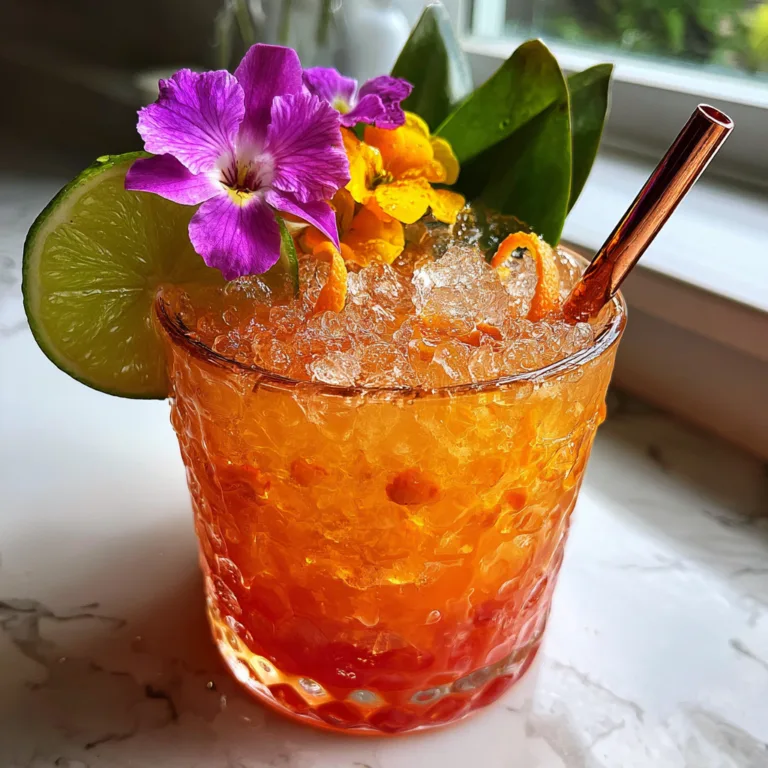
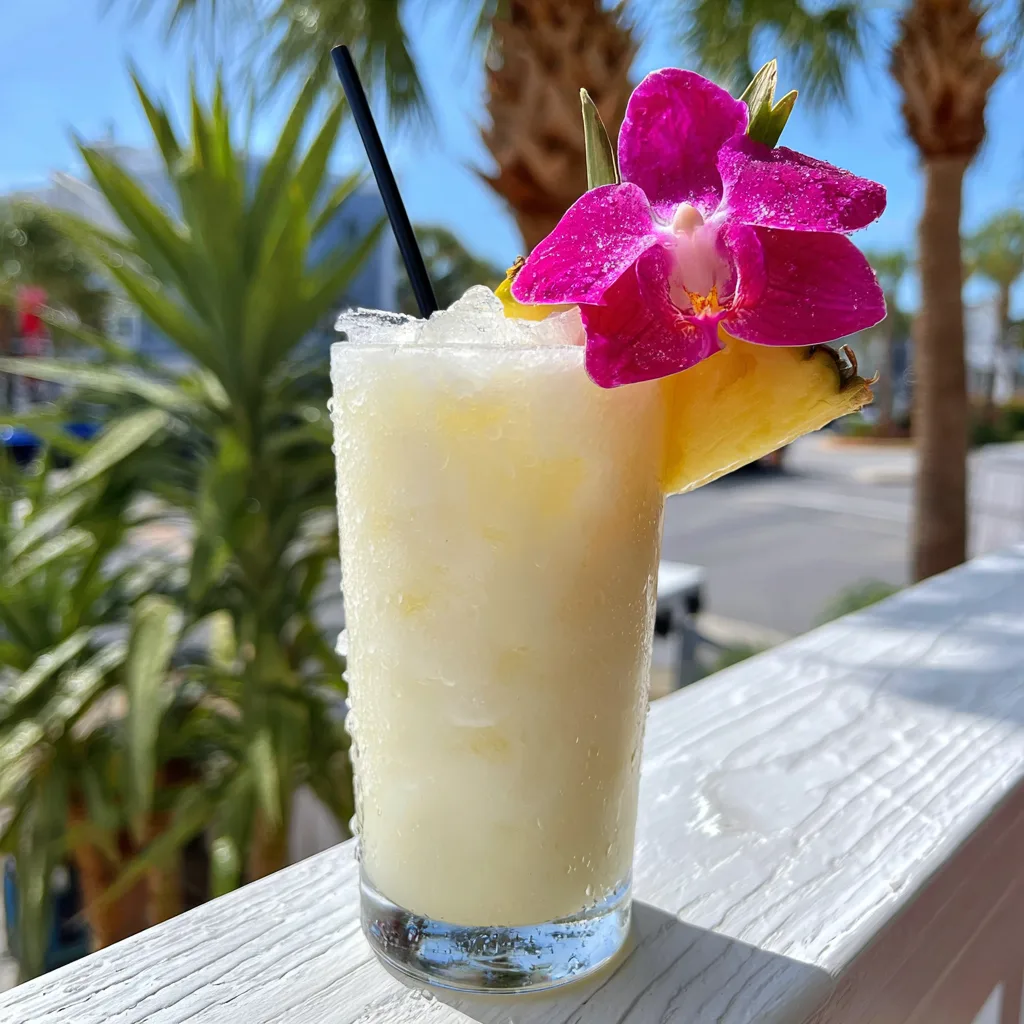
- – Garnishes: A fresh wedge of pineapple, a vibrant tropical flower (like an orchid), and a high-quality maraschino cherry. A fun straw and a paper umbrella are highly encouraged for the full aesthetic experience.
Step-by-Step Blending Instructions
Creating this cocktail is a breeze. Follow these numbered steps for a perfectly emulsified drink.
1. Prep your glassware. For the best experience, take a tall highball, hurricane, or tiki glass and place it in the freezer for at least 15 minutes before you begin. A frosted glass keeps your blended cocktail colder for much longer.
2. Load the blender. Into your blender pitcher, pour the 2 ounces of light rum, 2 ounces of cream of coconut, and 3 ounces of pineapple juice. Adding the liquids first helps the blender blades catch and process the solid ingredients more efficiently.
3. Add the solids. Next, add your 1/2 cup of frozen pineapple chunks and 1 cup of ice. It is always better to start with slightly less ice and add more if needed, rather than starting with too much and ending up with a flavorless, watered-down snow cone.
4. Blend until smooth. Secure the lid on your blender. Start on a low speed to crush the ice and chop the frozen pineapple, then gradually increase to the highest speed. Blend on high for 20 to 30 seconds. The mixture should look uniformly smooth, creamy, and completely opaque, with no large chunks of ice remaining.
5. Check the consistency. Stop the blender and check the texture. If it is too thin and watery, add another half cup of ice and blend again. If it is too thick to pour easily, add a splash more pineapple juice.
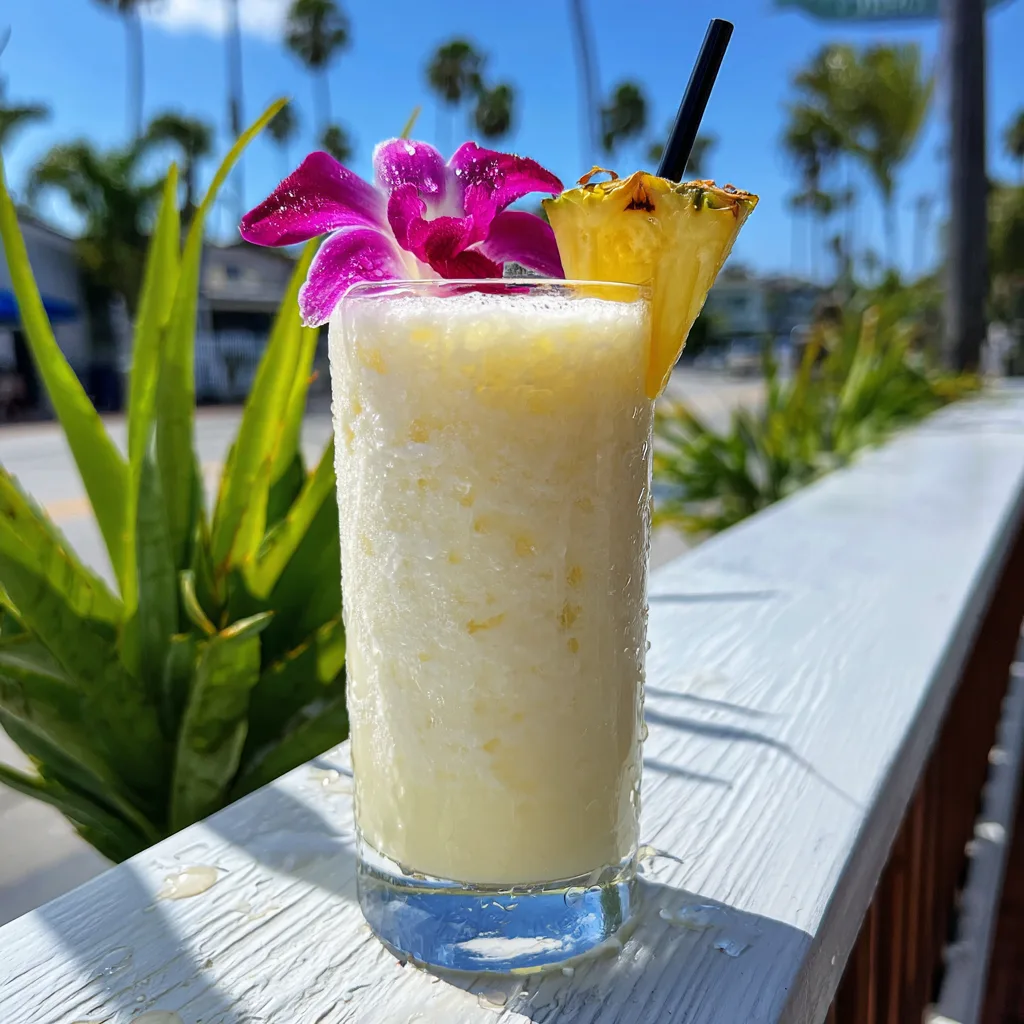
6. Serve and garnish. Pour the frosty mixture into your chilled glass. Take your fresh pineapple wedge and cut a small slit in the middle of the fruit, then slide it onto the rim of the glass. Add a tropical flower if desired, drop in a fun straw, and serve immediately.
Expert Tips for the Best Piña Colada
Want to take your mixology skills to the next level? Keep these professional tips in mind:
The Rum Float: For an extra boozy kick and a beautiful layered presentation, gently pour a half-ounce of dark, aged, or overproof rum over the top of the finished drink just before serving. The dark rum floats on the creamy white surface and adds deep notes of caramel, molasses, and oak as you sip.
A Pinch of Salt: It sounds counterintuitive for a sweet cocktail, but adding a tiny, singular pinch of kosher salt to the blender pitcher enhances the sweetness of the cream of coconut and the tartness of the pineapple, making all the flavors pop.
Fresh Squeezed Lime: Some modern bartenders like to add half an ounce of fresh squeezed lime juice to the blender. The bright acidity of the citrus cuts through the heavy richness of the coconut cream, resulting in a more balanced and dangerously drinkable cocktail.
Creative Variations to Try
The basic Piña Colada formula is a blank canvas for tropical creativity. Try these fun twists:
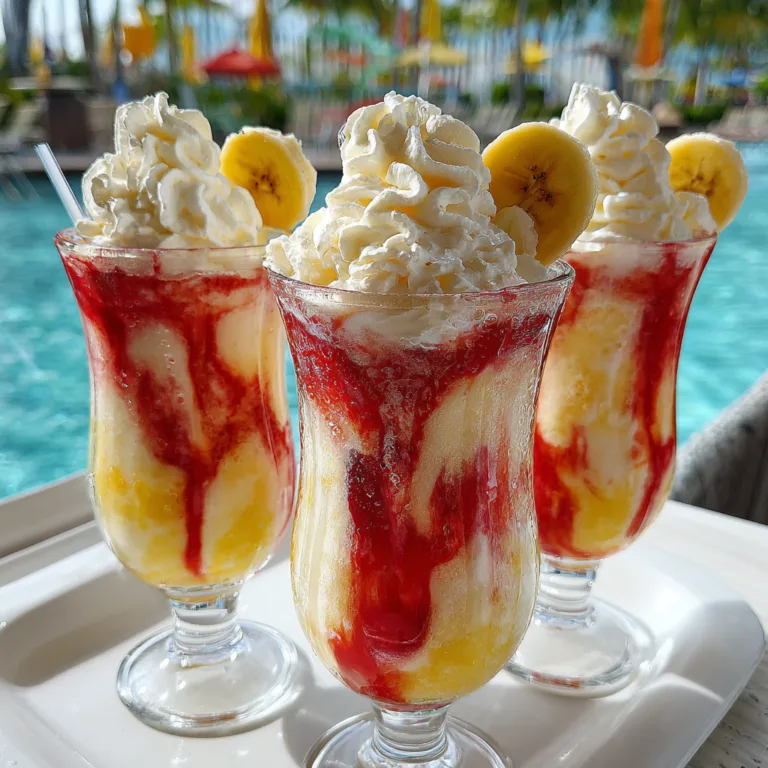
- The Miami Vice: This is the ultimate vacation drink. It is a layered cocktail made by pouring half a glass of blended Strawberry Daiquiri and topping it with half a glass of blended Piña Colada. The red and white swirling colors are stunning.
- Mango Colada: Substitute the frozen pineapple chunks with frozen mango chunks, and swap half the pineapple juice for mango nectar. It is incredibly creamy and sweet.
- The Chi-Chi: Not a fan of rum? Simply substitute the light rum for a high-quality vodka. The vodka provides a completely neutral base, allowing the coconut and pineapple flavors to take center stage without the subtle sweetness of sugarcane spirits.
- Spiced Colada: Use a spiced rum (like Captain Morgan or Kraken) instead of light rum. The notes of vanilla, cinnamon, and nutmeg in the spiced rum pair beautifully with the tropical fruit, creating a warmer, more autumnal take on the classic.
Making a Virgin Piña Colada (Mocktail)
You do not need alcohol to enjoy the spectacular flavors of this drink. It makes a fantastic, family-friendly treat for kids, pregnant guests, or anyone choosing not to drink alcohol.
To make a Virgin Piña Colada, simply omit the 2 ounces of light rum. To make up for the lost liquid volume, increase the pineapple juice to 4 ounces. Blend with the cream of coconut, frozen pineapple, and ice exactly as directed above. It tastes just like a luxurious tropical smoothie and is guaranteed to be a hit with everyone at the party.
Frequently Asked Questions
Can I make a Piña Colada on the rocks instead of blended?
Absolutely. While blending is the most iconic preparation, a shaken, over-ice Piña Colada is actually preferred by many craft cocktail enthusiasts. To do this, combine the rum, cream of coconut, and pineapple juice in a cocktail shaker filled with ice. Shake vigorously for 15 seconds, then strain into a glass filled with fresh crushed ice. Omit the frozen pineapple chunks for this method.
How long does Cream of Coconut last after opening?
Once you open a can or bottle of cream of coconut, it should be transferred to an airtight container and stored in the refrigerator. It will typically last for 3 to 4 weeks. It will solidify significantly in the fridge, so you may need to let it sit at room temperature for a bit or run the container under warm water to make it pourable again before your next batch of drinks.
Is this recipe vegan?
Yes! Assuming you are using standard light rum, cream of coconut, and fruit juices, this cocktail is completely dairy-free and vegan-friendly. The “cream” in cream of coconut refers strictly to the thick coconut extract, not dairy cream.
Conclusion
The Piña Colada is far more than just a cheesy vacation trope; when prepared correctly with respect for the ingredients and the ratios, it is a magnificent, perfectly balanced masterpiece of cocktail engineering. By taking the few extra minutes to source real cream of coconut, use frozen fruit, and blend it to frosty perfection, you are guaranteed to impress your guests and treat yourself to the ultimate tropical escape in a glass. So fire up the blender, break out the little paper umbrellas, and enjoy the taste of paradise.
Classic Piña Colada
Ingredients
Equipment
Method
- Place your serving glass in the freezer for 10-15 minutes to frost.
- In a blender, add the light rum, cream of coconut, and pineapple juice.
- Add the frozen pineapple chunks and ice to the blender.
- Blend on high speed for 20-30 seconds until the mixture is completely smooth and creamy. If it is too thin, add a little more ice; if too thick, add a splash of pineapple juice.
- Pour the blended mixture into your chilled glass.
- Garnish the rim of the glass with a fresh pineapple wedge and a tropical flower or maraschino cherry. Serve immediately with a straw.