Spaghetti Garlic Bread Bowls Recipe
Spaghetti Garlic Bread Bowls Recipe
Spaghetti Garlic Bread Bowls: The Ultimate Carb-Lover’s Dream
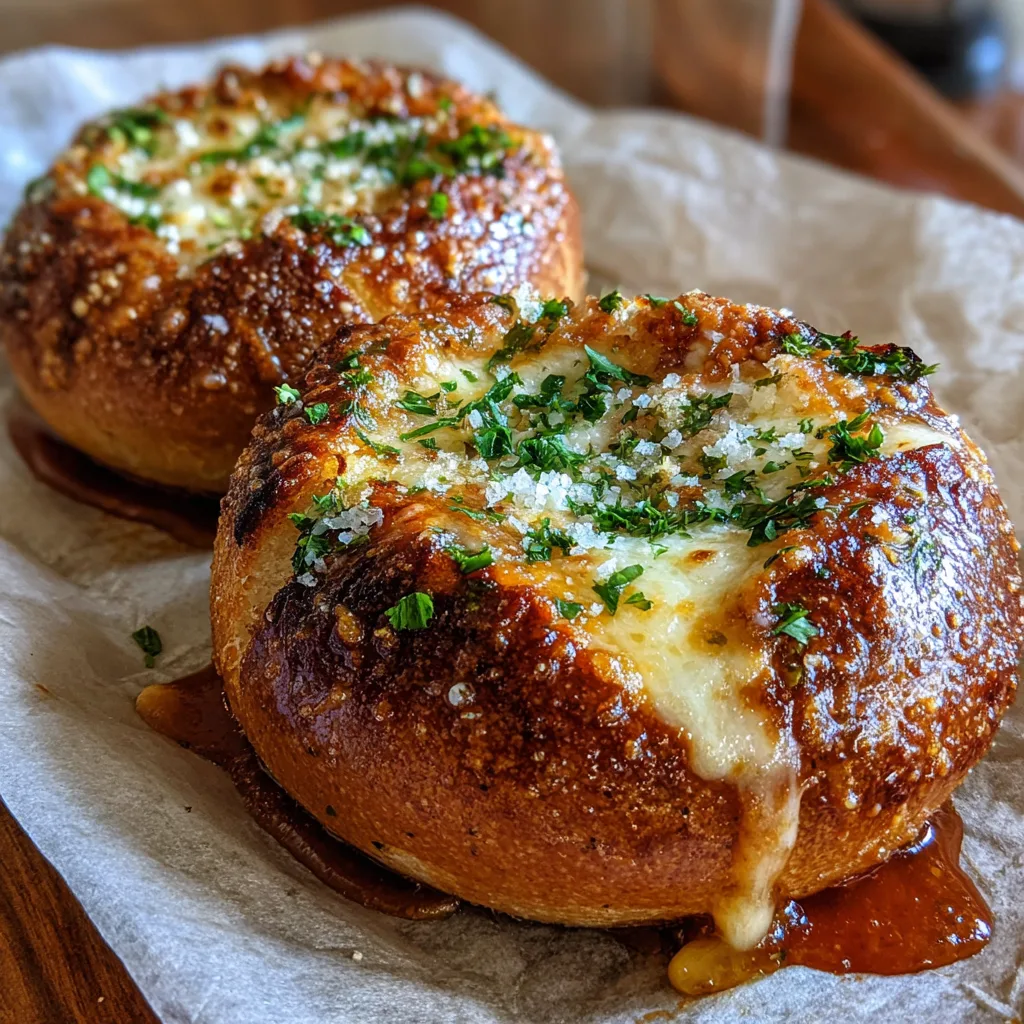
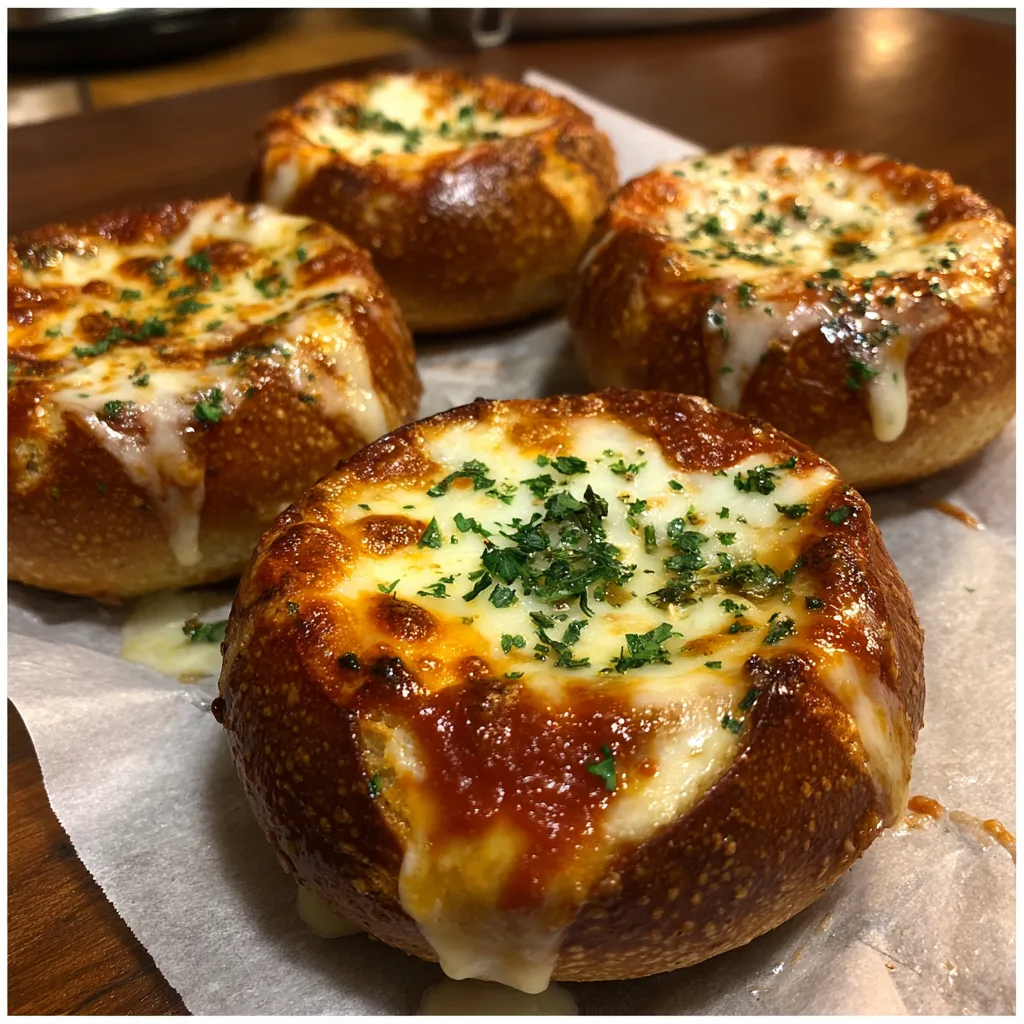
If there is one universal truth in the world of comfort food, it is that bread and pasta are soulmates. Individually, they are delicious; together, they are unstoppable. Enter the Spaghetti Garlic Bread Bowl—a genius culinary invention that takes the classic side dish of garlic bread and elevates it into the main vessel for your pasta dinner. Imagine a crusty, golden-brown bread roll, hollowed out, brushed generously with savory garlic butter, filled to the brim with saucy spaghetti, and topped with bubbling, melted mozzarella cheese. It is messy, it is indulgent, and it is exactly what you need on a cozy Friday night.
In this comprehensive guide, we are going to explore how to create these edible masterpieces at home. This isn’t just a recipe; it is a fun, hands-on cooking experience that is perfect for getting kids involved in the kitchen or impressing friends at a casual dinner party. We will cover the best types of bread to use, the secret to the perfect garlic butter glaze, and variations that can turn this dish into a meat-lover’s feast or a vegetarian delight. Get ready to rethink how you serve pasta forever.
Why You Need This Recipe in Your Life
The Spaghetti Garlic Bread Bowl is more than just a novelty; it solves the age-old problem of running out of bread to mop up your pasta sauce. Here is why this dish works so well:
- Texture Contrast: You get the crunch of the toasted bread, the chew of the al dente pasta, and the gooey stretch of the melted cheese all in one bite.
- Portion Control: Using individual rolls creates perfect single-serving portions, making it easy to feed a crowd without the mess of a giant casserole.
- Versatility: While we are using spaghetti and marinara today, the “bread bowl” concept can be adapted for Fettuccine Alfredo, Mac and Cheese, or even a spicy Arrabbiata.
- Zero Waste: You eat the bowl! The only thing left on the plate will be a few crumbs.
The Essential Ingredients
To make the perfect Spaghetti Garlic Bread Bowl, you need quality ingredients. Here is what to look for at the grocery store:
The Bread
The structural integrity of your bowl is crucial. You want Hard Rolls, Kaiser Rolls, or small Sourdough Boules. Soft hamburger buns will not work—they will disintegrate under the wet sauce. You need a bread with a sturdy crust that can withstand the garlic butter and the baking process.
The Pasta
Standard Spaghetti or Angel Hair works best because the strands fold easily into the small cavity of the bread. Thicker pastas like Penne or Rigatoni can be used, but you won’t fit as much filling inside.
The Sauce
A thick, robust Marinara Sauce is ideal. If your sauce is too watery, it might make the bread soggy before you have a chance to eat it. Look for “chunky” varieties or simmer your sauce a bit longer to reduce the liquid.
The Garlic Butter
This is the glue that holds the flavor profile together. We will use a mixture of melted unsalted butter, fresh minced garlic, and parsley. Do not skimp on the garlic!
The Cheese
Mozzarella is the king of melt. Shred it yourself from a block for the best stretch. A dusting of Parmesan adds a salty, nutty finish.
Kitchen Tools You Will Need
- Serrated Knife: Essential for cutting the tops off the bread rolls without squishing them.
- Baking Sheet: Lined with parchment paper for easy cleanup.
- Large Pot: For boiling the pasta.
- Pastry Brush: To evenly coat the inside and outside of the bread bowls with garlic butter.
- Tongs: For handling the hot pasta.
Spaghetti Garlic Bread Bowls Ingredients
Gather these simple ingredients to feed a family of 6.
- 6 large crusty bread rolls (Kaiser, Sourdough, or French rolls)
- 8 oz dry spaghetti pasta
- 2 cups marinara sauce (jarred or homemade)
- 1/2 cup unsalted butter, melted
- 4 cloves garlic, minced finely
- 1 tbsp fresh parsley, chopped (plus extra for garnish)
- 1/2 tsp garlic powder (for extra kick)
- 1/4 tsp salt
- 1 1/2 cups shredded mozzarella cheese
- 1/4 cup grated parmesan cheese
Step-by-Step Instructions
1. Prepare the Bread Bowls
Preheat your oven to 375°F (190°C). While the oven heats, take your serrated knife and cut a circle into the top of each bread roll. You want to cut down about 3/4 of the way into the roll—do not cut through the bottom! Gently scoop out the soft inner bread using your fingers or a spoon, creating a hollow “bowl.” Save the scooped-out bread for breadcrumbs later!
2. Make the Garlic Butter
In a small bowl, whisk together the melted butter, minced fresh garlic, garlic powder, salt, and chopped parsley. This is liquid gold.
3. Garlic Coat the Bowls
Place the hollowed-out rolls on a parchment-lined baking sheet. Using your pastry brush, generously coat the inside of the bowl and the outside crust with the garlic butter mixture. This ensures every bite is flavorful and helps toast the bread. Bake the empty bowls for 5 minutes just to crisp them up slightly.
4. Cook the Pasta
While the bread toasts, boil a pot of salted water. Cook the spaghetti according to package directions, but drain it 1 minute before al dente. It will continue cooking in the oven. Drain the pasta and return it to the pot. Pour the marinara sauce over the pasta and toss until fully coated.
5. Assemble the Bowls
Remove the bread bowls from the oven. Using tongs, fill each bowl generously with the saucy spaghetti. Twirl the pasta as you put it in to fit more inside.
6. Add the Cheese
Top each pasta-filled bowl with a heaping amount of shredded mozzarella cheese. Sprinkle the parmesan cheese on top of the mozzarella.
7. Bake to Perfection
Return the baking sheet to the oven. Bake for 15–20 minutes, or until the cheese is melted, bubbly, and starting to brown, and the bread is golden and crispy.
8. Garnish and Serve
Remove from the oven and let them cool for 2-3 minutes (the filling will be molten hot). Garnish with extra fresh parsley and serve immediately.
Tips for Success
The “Al Dente” Rule: Because the pasta goes into the oven, it is crucial not to overboil it in the water. If you cook it fully on the stove, it will turn to mush inside the bread bowl. Undercooking it slightly ensures the perfect bite once baked.
Waterproofing the Bread: If you are worried about the sauce soaking through the bottom, you can place a single slice of mozzarella cheese at the bottom of the hollowed-out bread bowl before adding the pasta. This creates a cheesy barrier between the bread and the sauce.
Garlic Lovers: For an extra kick, rub a raw clove of garlic on the outside of the toasted bread right when it comes out of the oven. The heat releases the oils for a pungent garlic aroma.
Creative Variations
Meat Lover’s Edition: Brown 1/2 lb of ground beef or Italian sausage and mix it into your marinara sauce before tossing with the pasta. Alternatively, miniature meatballs fit perfectly inside these bowls.
Chicken Alfredo Bowls: Swap the marinara for a creamy Alfredo sauce and add cooked diced chicken and broccoli. Use provolone cheese on top instead of mozzarella.
Spicy “Arrabbiata” Bowls: Add red pepper flakes to your garlic butter and use a spicy marinara sauce. Top with Pepper Jack cheese for a heat-filled twist.
Pizza Bowls: Mix pepperoni slices into the spaghetti and top the finished bowl with more pepperoni before baking.
Serving Suggestions
Since this dish is incredibly carb-heavy (in the best way possible), you want to serve it with lighter sides to balance the meal.
- Crisp Green Salad: A Caesar salad or a simple garden salad with vinaigrette cuts through the richness of the cheese and butter.
- Roasted Vegetables: Roasted asparagus or green beans add a nice crunch and nutritional value.
- Antipasto Platter: Olives, artichoke hearts, and roasted red peppers make great starters.
Fun Facts: The History of the Bread Bowl
While we often associate bread bowls with San Francisco clam chowder, the concept of using bread as a plate dates back to medieval times. Known as a “trencher,” stale slabs of bread were used to hold meat and sauce during feasts. After the meal, the juice-soaked bread was either eaten by the diner or given to the poor. The modern hollowed-out loaf gained popularity in the 1980s and has since become a staple for soups, dips, and now, pasta!
Storage and Reheating
These are definitely best enjoyed fresh, as the bread can become soggy over time. However, if you have leftovers:
- Storage: Wrap each bowl tightly in aluminum foil and store in the refrigerator for up to 2 days.
- Reheating: Do not microwave! The bread will become rubbery. Instead, keep the bowl wrapped in foil and bake at 350°F for 15-20 minutes until heated through. Unwrap for the last 5 minutes to crisp up the crust.
Enjoy making these Spaghetti Garlic Bread Bowls! They are a fun, interactive meal that brings the best parts of Italian-American cuisine together in one delicious package.Spaghetti Garlic Bread Bowls: The Ultimate Carb-Lover’s Dream
If there is one universal truth in the world of comfort food, it is that bread and pasta are soulmates. Individually, they are delicious; together, they are unstoppable. Enter the Spaghetti Garlic Bread Bowl—a genius culinary invention that takes the classic side dish of garlic bread and elevates it into the main vessel for your pasta dinner. Imagine a crusty, golden-brown bread roll, hollowed out, brushed generously with savory garlic butter, filled to the brim with saucy spaghetti, and topped with bubbling, melted mozzarella cheese. It is messy, it is indulgent, and it is exactly what you need on a cozy Friday night.
In this comprehensive guide, we are going to explore how to create these edible masterpieces at home. This isn’t just a recipe; it is a fun, hands-on cooking experience that is perfect for getting kids involved in the kitchen or impressing friends at a casual dinner party. We will cover the best types of bread to use, the secret to the perfect garlic butter glaze, and variations that can turn this dish into a meat-lover’s feast or a vegetarian delight. Get ready to rethink how you serve pasta forever.
Why You Need This Recipe in Your Life
The Spaghetti Garlic Bread Bowl is more than just a novelty; it solves the age-old problem of running out of bread to mop up your pasta sauce. Here is why this dish works so well:
- Texture Contrast: You get the crunch of the toasted bread, the chew of the al dente pasta, and the gooey stretch of the melted cheese all in one bite.
- Portion Control: Using individual rolls creates perfect single-serving portions, making it easy to feed a crowd without the mess of a giant casserole.
- Versatility: While we are using spaghetti and marinara today, the “bread bowl” concept can be adapted for Fettuccine Alfredo, Mac and Cheese, or even a spicy Arrabbiata.
- Zero Waste: You eat the bowl! The only thing left on the plate will be a few crumbs.
The Essential Ingredients
To make the perfect Spaghetti Garlic Bread Bowl, you need quality ingredients. Here is what to look for at the grocery store:
The Bread
The structural integrity of your bowl is crucial. You want Hard Rolls, Kaiser Rolls, or small Sourdough Boules. Soft hamburger buns will not work—they will disintegrate under the wet sauce. You need a bread with a sturdy crust that can withstand the garlic butter and the baking process.
The Pasta
Standard Spaghetti or Angel Hair works best because the strands fold easily into the small cavity of the bread. Thicker pastas like Penne or Rigatoni can be used, but you won’t fit as much filling inside.
The Sauce
A thick, robust Marinara Sauce is ideal. If your sauce is too watery, it might make the bread soggy before you have a chance to eat it. Look for “chunky” varieties or simmer your sauce a bit longer to reduce the liquid.
The Garlic Butter
This is the glue that holds the flavor profile together. We will use a mixture of melted unsalted butter, fresh minced garlic, and parsley. Do not skimp on the garlic!
The Cheese
Mozzarella is the king of melt. Shred it yourself from a block for the best stretch. A dusting of Parmesan adds a salty, nutty finish.
Kitchen Tools You Will Need
- Serrated Knife: Essential for cutting the tops off the bread rolls without squishing them.
- Baking Sheet: Lined with parchment paper for easy cleanup.
- Large Pot: For boiling the pasta.
- Pastry Brush: To evenly coat the inside and outside of the bread bowls with garlic butter.
- Tongs: For handling the hot pasta.
Spaghetti Garlic Bread Bowls Ingredients
Gather these simple ingredients to feed a family of 6.
- 6 large crusty bread rolls (Kaiser, Sourdough, or French rolls)
- 8 oz dry spaghetti pasta
- 2 cups marinara sauce (jarred or homemade)
- 1/2 cup unsalted butter, melted
- 4 cloves garlic, minced finely
- 1 tbsp fresh parsley, chopped (plus extra for garnish)
- 1/2 tsp garlic powder (for extra kick)
- 1/4 tsp salt
- 1 1/2 cups shredded mozzarella cheese
- 1/4 cup grated parmesan cheese
Step-by-Step Instructions
1. Prepare the Bread Bowls
Preheat your oven to 375°F (190°C). While the oven heats, take your serrated knife and cut a circle into the top of each bread roll. You want to cut down about 3/4 of the way into the roll—do not cut through the bottom! Gently scoop out the soft inner bread using your fingers or a spoon, creating a hollow “bowl.” Save the scooped-out bread for breadcrumbs later!
2. Make the Garlic Butter
In a small bowl, whisk together the melted butter, minced fresh garlic, garlic powder, salt, and chopped parsley. This is liquid gold.
3. Garlic Coat the Bowls
Place the hollowed-out rolls on a parchment-lined baking sheet. Using your pastry brush, generously coat the inside of the bowl and the outside crust with the garlic butter mixture. This ensures every bite is flavorful and helps toast the bread. Bake the empty bowls for 5 minutes just to crisp them up slightly.
4. Cook the Pasta
While the bread toasts, boil a pot of salted water. Cook the spaghetti according to package directions, but drain it 1 minute before al dente. It will continue cooking in the oven. Drain the pasta and return it to the pot. Pour the marinara sauce over the pasta and toss until fully coated.
5. Assemble the Bowls
Remove the bread bowls from the oven. Using tongs, fill each bowl generously with the saucy spaghetti. Twirl the pasta as you put it in to fit more inside.
6. Add the Cheese
Top each pasta-filled bowl with a heaping amount of shredded mozzarella cheese. Sprinkle the parmesan cheese on top of the mozzarella.
7. Bake to Perfection
Return the baking sheet to the oven. Bake for 15–20 minutes, or until the cheese is melted, bubbly, and starting to brown, and the bread is golden and crispy.
8. Garnish and Serve
Remove from the oven and let them cool for 2-3 minutes (the filling will be molten hot). Garnish with extra fresh parsley and serve immediately.
Tips for Success
The “Al Dente” Rule: Because the pasta goes into the oven, it is crucial not to overboil it in the water. If you cook it fully on the stove, it will turn to mush inside the bread bowl. Undercooking it slightly ensures the perfect bite once baked.
Waterproofing the Bread: If you are worried about the sauce soaking through the bottom, you can place a single slice of mozzarella cheese at the bottom of the hollowed-out bread bowl before adding the pasta. This creates a cheesy barrier between the bread and the sauce.
Garlic Lovers: For an extra kick, rub a raw clove of garlic on the outside of the toasted bread right when it comes out of the oven. The heat releases the oils for a pungent garlic aroma.
Creative Variations
Meat Lover’s Edition: Brown 1/2 lb of ground beef or Italian sausage and mix it into your marinara sauce before tossing with the pasta. Alternatively, miniature meatballs fit perfectly inside these bowls.
Chicken Alfredo Bowls: Swap the marinara for a creamy Alfredo sauce and add cooked diced chicken and broccoli. Use provolone cheese on top instead of mozzarella.
Spicy “Arrabbiata” Bowls: Add red pepper flakes to your garlic butter and use a spicy marinara sauce. Top with Pepper Jack cheese for a heat-filled twist.
Pizza Bowls: Mix pepperoni slices into the spaghetti and top the finished bowl with more pepperoni before baking.
Serving Suggestions
Since this dish is incredibly carb-heavy (in the best way possible), you want to serve it with lighter sides to balance the meal.
- Crisp Green Salad: A Caesar salad or a simple garden salad with vinaigrette cuts through the richness of the cheese and butter.
- Roasted Vegetables: Roasted asparagus or green beans add a nice crunch and nutritional value.
- Antipasto Platter: Olives, artichoke hearts, and roasted red peppers make great starters.
Fun Facts: The History of the Bread Bowl
While we often associate bread bowls with San Francisco clam chowder, the concept of using bread as a plate dates back to medieval times. Known as a “trencher,” stale slabs of bread were used to hold meat and sauce during feasts. After the meal, the juice-soaked bread was either eaten by the diner or given to the poor. The modern hollowed-out loaf gained popularity in the 1980s and has since become a staple for soups, dips, and now, pasta!
Storage and Reheating
These are definitely best enjoyed fresh, as the bread can become soggy over time. However, if you have leftovers:
- Storage: Wrap each bowl tightly in aluminum foil and store in the refrigerator for up to 2 days.
- Reheating: Do not microwave! The bread will become rubbery. Instead, keep the bowl wrapped in foil and bake at 350°F for 15-20 minutes until heated through. Unwrap for the last 5 minutes to crisp up the crust.
Enjoy making these Spaghetti Garlic Bread Bowls! They are a fun, interactive meal that brings the best parts of Italian-American cuisine together in one delicious package.
Spaghetti Garlic Bread Bowls
Ingredients
Equipment
Method
- Preheat oven to 375°F (190°C) and line a baking sheet with parchment paper.
- Cut a circle in the top of each bread roll and hollow out the center to create a bowl shape.
- Mix melted butter, garlic, and parsley. Brush inside and outside of bread bowls. Bake empty bowls for 5 minutes.
- Boil spaghetti in salted water until just before al dente. Drain and toss with marinara sauce.
- Fill each toasted bread bowl with the spaghetti mixture.
- Top generously with mozzarella and parmesan cheese.
- Bake for 15-20 minutes until cheese is melted and bubbling. Garnish with parsley and serve.