Crispy Belgian Waffles
The Ultimate Guide to Golden Belgian Waffles: Crispy, Fluffy, and Perfection on a Plate
There are few things in the culinary world as universally beloved as the Belgian waffle. It is the crown jewel of breakfast foods—a towering masterpiece of golden-brown batter, deep pockets ready to cradle pools of syrup, and a texture that walks the delicate line between shattering crispness and cloud-like fluffiness. Whether you are serving them for a lazy Sunday brunch, a celebratory breakfast in bed, or a decadent “breakfast for dinner” treat, mastering the art of the perfect waffle is a skill that will serve you for a lifetime.
Unlike their thinner, soggier cousins, Belgian waffles are defined by their height and their deep grid pattern. This isn’t just for aesthetics; those deep wells are engineered to hold maximum toppings, from classic maple syrup and melted butter to fresh berries, whipped cream, or even savory fried chicken. But achieving that restaurant-quality texture at home can sometimes feel elusive. Why do some waffles turn out dense and heavy? Why do others lack that signature crunch?
In this comprehensive guide, we are going to break down the science and soul of the perfect Golden Belgian Waffle. We will explore the role of ingredients like buttermilk and melted butter, the importance of resting your batter, and the secrets to keeping your waffles crispy long after they’ve left the iron. Get ready to elevate your breakfast game to professional heights with a recipe that is as foolproof as it is delicious.
The Secret to the Perfect Waffle Texture
What makes a waffle “perfect”? It is all about contrast. You want an exterior that audibly crunches when your fork hits it, protecting an interior that is steamy, tender, and airy. To achieve this, we need to look at our leavening agents and our fats.

The Role of Buttermilk
While regular milk works fine, buttermilk is the secret weapon in this recipe. The acidity in buttermilk reacts with the baking soda to create carbon dioxide bubbles, giving the batter a significant lift. This reaction is what creates that tender, melt-in-your-mouth crumb. Furthermore, the tang of the buttermilk cuts through the richness of the butter and sugar, providing a balanced flavor profile that prevents the waffle from becoming cloyingly sweet.
Separating the Eggs (The Fluff Factor)
Many quick recipes skip this step, but if you want true Belgian-style loft, separating your eggs is non-negotiable. By whipping the egg whites to stiff peaks and folding them into the batter at the very last second, you are mechanically trapping air into the mixture. In the heat of the waffle iron, these air pockets expand rapidly, resulting in a waffle that is physically lighter and taller.
Butter vs. Oil
This recipe uses melted butter for flavor. Oil can sometimes produce a crispier crust, but it lacks the rich, milky depth that butter provides. To compensate for the texture, we ensure our iron is hot and we use cornstarch in the dry mix, a professional trick that guarantees a shatteringly crisp exterior.
Ingredients
To make these Classic Golden Belgian Waffles, you will need the following pantry staples. Ensure your ingredients are at room temperature for the best emulsion.
- All-Purpose Flour – 2 cups (The structural base of your waffle).
- Cornstarch – 1/4 cup (The secret ingredient for crispy edges).
- Granulated Sugar – 3 tablespoons (Adds sweetness and aids in browning).
- Baking Powder – 2 teaspoons (Primary leavening agent).
- Baking Soda – 1/2 teaspoon (Reacts with buttermilk for lift).
- Salt – 1/2 teaspoon (Enhances all flavors).
- Buttermilk – 2 cups (Room temperature is best).
- Unsalted Butter – 1/2 cup (Melted and slightly cooled).
- Eggs – 2 large (Separated into yolks and whites).
- Vanilla Extract – 2 teaspoons (For that classic bakery aroma).
- Vegetable Oil or Cooking Spray – For greasing the waffle iron.
Instructions
Follow these step-by-step instructions to create the most incredible waffles you have ever tasted.
- Preheat the Waffle Iron: Plug in your Belgian waffle maker and set it to medium-high heat. If your waffle maker has a “ready” light, wait for it. A hot iron is crucial for that initial crust formation.
- Mix Dry Ingredients: In a large mixing bowl, whisk together the 2 cups of flour, 1/4 cup cornstarch, 3 tablespoons sugar, 2 teaspoons baking powder, 1/2 teaspoon baking soda, and 1/2 teaspoon salt. Whisking aerates the flour and ensures no clumps remain.
- Mix Wet Ingredients: In a medium bowl or large measuring cup, whisk together the 2 cups of buttermilk, 1/2 cup melted butter, 2 egg yolks (reserve the whites!), and 2 teaspoons vanilla extract.
- Combine: Pour the wet ingredients into the dry ingredients. Gently whisk until just combined. It is okay if the batter is slightly lumpy; do not overmix, or the gluten will develop too much, leading to tough waffles.
- Whip the Egg Whites: In a separate small, clean bowl, beat the 2 egg whites with a hand mixer (or vigorous whisking) until stiff peaks form. The peaks should stand straight up when you lift the beaters.
- Fold in Whites: Gently fold the whipped egg whites into the batter using a rubber spatula. Use a cutting motion to incorporate them without deflating the air you just whipped in. The batter should look light and fluffy.
- Cook the Waffles: Lightly grease your hot waffle iron with oil or cooking spray. Pour the recommended amount of batter (usually 1/2 to 3/4 cup, depending on your machine) into the center of the iron. Close the lid gently.
- Wait for the Steam: Cook according to your manufacturer’s instructions, usually 4-5 minutes. A good visual cue is to watch the steam; once the steam stops pouring out of the sides, the waffle is usually crisp and done.
- Cool and Crisp: Remove the waffle carefully with a fork or tongs. Place it immediately on a wire rack, not a flat plate. Placing it on a plate traps steam underneath and makes the bottom soggy.
- Serve: Serve immediately with butter and warm maple syrup, or keep warm in a 200°F (95°C) oven directly on the rack while you finish the batch.
Tips for Success
Even with a great recipe, technique matters. Here are some pro-tips to ensure consistency:
- Don’t Peek: Opening the waffle iron too early can cause the waffle to split in half. Trust the timer or the steam method.
- Room Temperature Ingredients: If your milk and eggs are cold, they will solidify the melted butter instantly, creating clumps. Room temp ingredients mix into a smooth emulsion.
- The Oven Trick: If you are feeding a crowd, do not stack the cooked waffles. Stacking creates steam. Place them in a single layer on the rack of a warm oven. This actually makes them crispier!
- Freezing: These freeze beautifully. Let them cool completely on a wire rack, then freeze in a single layer. Once frozen, transfer to a ziplock bag. Reheat in a toaster for a quick weekday breakfast.
Creative Variations
Once you have mastered the base recipe, the sky is the limit. Try these fun twists:
- Churros Waffles: Brush the hot waffles with melted butter and toss them in cinnamon sugar.
- Blueberry Lemon: Add fresh blueberries and 1 tablespoon of lemon zest to the batter before folding in the egg whites.
- Savory Cheddar & Chive: Omit the sugar and vanilla. Add 1 cup of shredded sharp cheddar cheese and 2 tablespoons of chopped chives. Serve with fried chicken or topped with a poached egg.
- Chocolate Chip: Fold in 1/2 cup of mini chocolate chips. Regular chips are often too big and can burn on the iron, so mini chips work best.
Serving Suggestions
While syrup is standard, consider these toppings to make your breakfast an event:
- The Elvis: Peanut butter, sliced bananas, and honey.
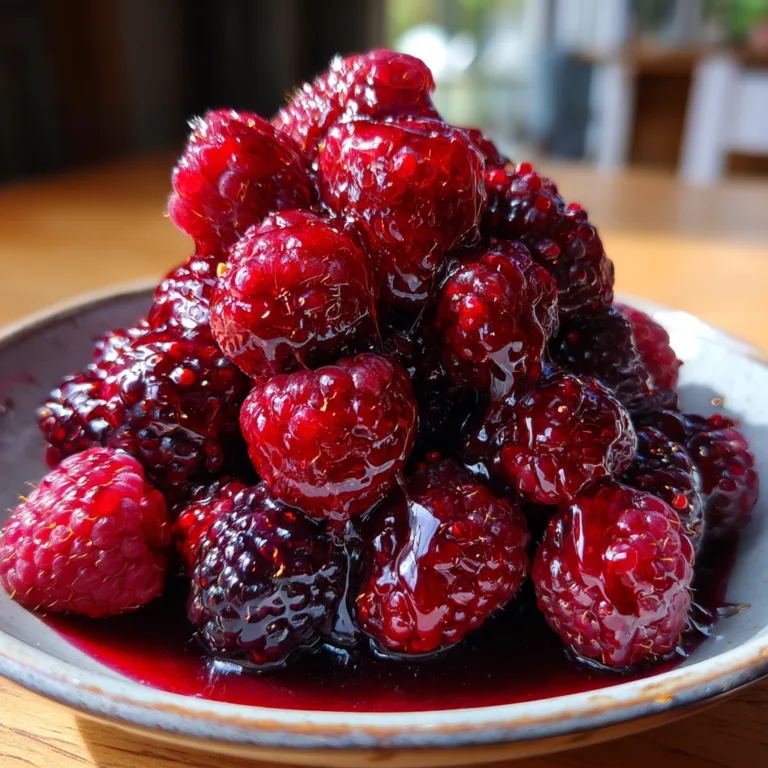
- Berry Compote: Simmer frozen berries with a splash of orange juice until thick and spoon over the waffles.
- Chicken and Waffles: Top with crispy fried chicken tenders and a drizzle of hot honey.
- Dessert Mode: A scoop of vanilla bean ice cream, chocolate sauce, and crushed nuts turning your breakfast into a decadent sundae.

Fun Facts & Cultural Context
Did you know the “Belgian” waffle as we know it in America was popularized at the 1964 New York World’s Fair? It was introduced by Maurice Vermersch, who originally called them “Brussels Waffles.” He realized that many Americans didn’t know where Brussels was, so he changed the name to “Belgian Waffles,” and a star was born. In Belgium, there are actually two main types of waffles: the Brussels waffle (rectangular, light, leavened with yeast) and the Liège waffle (rounder, denser, made with a brioche-like dough and pearl sugar).
Our recipe today is closer to the Americanized version of the Brussels waffle, using baking powder and soda for ease instead of yeast, but retaining that signature lightness and deep-pocketed structure. It is a true fusion of convenience and culinary history.
Enjoy the process of making these. There is something rhythmically soothing about pouring the batter, waiting for the steam, and lifting the lid to reveal a golden masterpiece. Happy cooking!
Classic Golden Belgian Waffles
Ingredients
Equipment
Method
- Preheat your Belgian waffle iron to medium-high heat.
- In a large bowl, whisk together flour, cornstarch, sugar, baking powder, baking soda, and salt.
- In a medium bowl, whisk buttermilk, melted butter, egg yolks, and vanilla until smooth.
- Pour wet ingredients into dry ingredients and mix gently until just combined (lumps are okay).
- In a separate clean bowl, beat egg whites until stiff peaks form.
- Gently fold the egg whites into the batter using a spatula; do not deflate.
- Grease the hot waffle iron. Pour batter into the center and close lid.
- Cook for 4-5 minutes or until steam stops rising and waffle is golden brown.
- Transfer immediately to a wire rack to cool slightly before serving.