Classic Negroni
The Ultimate Guide to the Classic Negroni Cocktail: Mastering the Italian Aperitivo
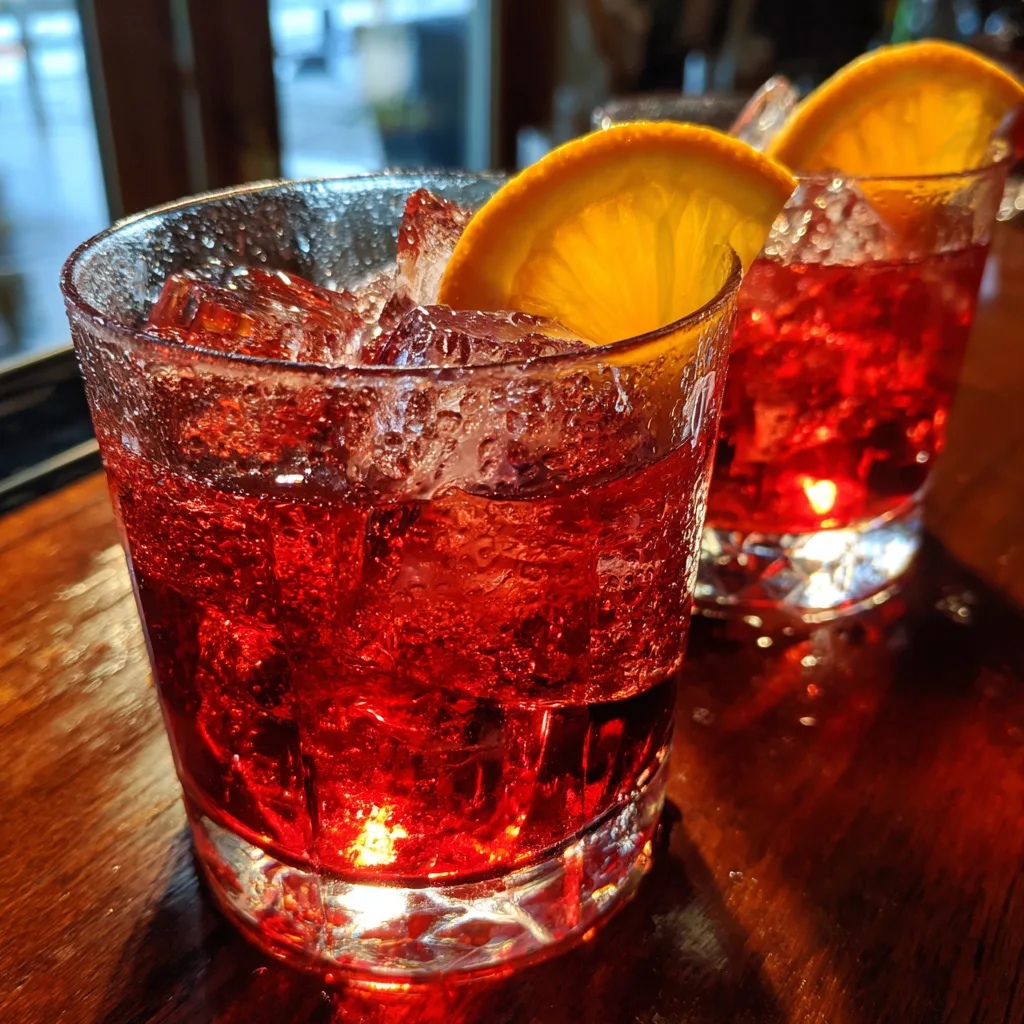
In the vast, ever-expanding universe of cocktail mixology, few drinks command the level of universal respect, unwavering devotion, and timeless sophistication as the classic Negroni. With its brilliant, jewel-toned ruby red appearance and its unmistakably bold flavor profile, the Negroni is an absolute titan of the cocktail world. It is a drink that speaks of Italian elegance, leisurely afternoons spent on sun-drenched piazzas, and the refined art of the pre-dinner aperitivo. The true magic of the Negroni lies in its sheer simplicity: three ingredients, poured in equal parts, coming together to create a sum that is so vastly superior to its individual parts.
For decades, the Negroni was something of a secret handshake among bartenders and cocktail aficionados—a distinctly bitter, uncompromisingly adult beverage that separated the serious drinkers from those seeking sugary, fruit-forward concoctions. Today, however, the Negroni has experienced a massive global renaissance, claiming its rightful place on nearly every cocktail menu across the globe. Despite its upscale reputation, it is arguably one of the easiest cocktails to master in your own home. There are no syrups to boil, no complex shaking techniques to learn, and no obscure juices to press. In this comprehensive guide, we will journey through the fascinating history of this legendary drink, meticulously break down the science and sourcing of its three vital components, and provide you with all the expert knowledge you need to pour the perfect classic Negroni every single time.
A Journey Through Time: The History of the Negroni
To understand the soul of the Negroni, we must travel back over a century to the historic, cobblestone streets of Florence, Italy, in the year 1919. The story centers around a fascinating, aristocratic figure named Count Camillo Negroni. The Count was a well-traveled adventurer, a man who had spent time in the American Wild West as a rodeo cowboy and in London, where he developed a distinct taste for strong, juniper-forward gin. Upon returning to his native Florence, he frequented the upscale Caffè Casoni (which later became Caffè Giacosa).
At the time, the popular drink of choice for the Italian elite was the Americano—a refreshing, low-alcohol blend of Campari, sweet vermouth, and a splash of club soda. One fateful afternoon, Count Negroni, seeking a beverage with a bit more fortitude and a stronger kick, asked his friend and bartender, Fosco Scarselli, to stiffen his Americano. He requested that Scarselli replace the delicate club soda with a hearty pour of gin.
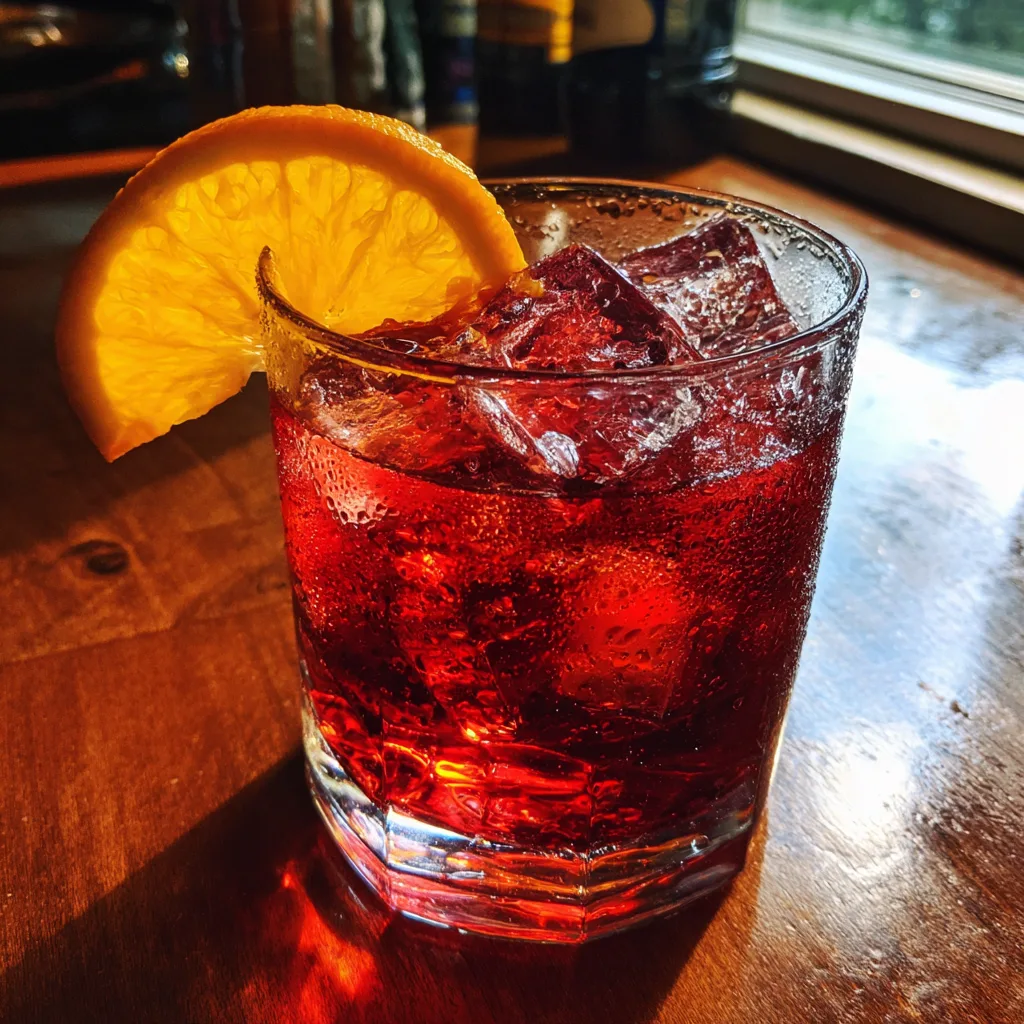
To visually differentiate the Count’s new, potent concoction from the standard Americano, Scarselli replaced the traditional lemon garnish with a vibrant slice of orange. The resulting drink was an instant masterpiece. It was strong, bracingly bitter, perfectly sweet, and incredibly complex. Word of the Count’s signature drink spread quickly throughout Florence, and soon, patrons were flocking to Caffè Casoni asking for a “Negroni.” The drink eventually gained international fame, becoming the quintessential symbol of Italian drinking culture and a cornerstone recipe in the arsenal of every respectable bartender worldwide.
The Holy Trinity: Decoding the Flavor Profile
The traditional Negroni is built on a flawless, symmetrical foundation: the 1:1:1 ratio. This means equal parts gin, Campari, and sweet vermouth. When combined, these three intensely flavorful liquids engage in a complex, multi-layered dance across the palate. Understanding how they interact is the key to appreciating the cocktail’s enduring brilliance.
The Bitter Heart: At the core of the Negroni is Campari. This iconic, bright red Italian liqueur is what gives the drink its famous bitter edge and its striking color. Campari is infused with a secret blend of herbs, spices, barks, and fruit peels. When it hits your tongue, it triggers a sharp, bracing bitterness that wakes up the palate and stimulates the appetite—the very definition of an aperitivo.
The Sweet Balance: To counteract the aggressive bitterness of the Campari, sweet vermouth steps in. Vermouth is a fortified wine, meaning it has been spiked with a neutral spirit to increase its shelf life, and aromatized with various botanicals, roots, and spices. Sweet vermouth (often referred to as Italian vermouth or Rosso) provides a deep, rich, syrupy sweetness with notes of vanilla, caramel, dark cherry, and baking spices. It wraps around the bitter Campari, softening its sharp edges and providing a luxurious, velvety mouthfeel.
The Botanical Backbone: Finally, the gin. The gin acts as the strong, structural foundation of the cocktail. Its high alcohol content cuts through the heavy, syrupy nature of the Campari and vermouth, preventing the drink from becoming cloying. Furthermore, the crisp, piney notes of juniper and the bright citrus botanicals found in London Dry gin intertwine beautifully with the herbal notes of the other two ingredients, lifting the entire flavor profile and adding an essential crispness.
Ingredient Breakdown and Sourcing the Best Components
Because the Negroni relies entirely on just three bottles, there is absolutely nowhere for low-quality ingredients to hide. If you use a subpar component, the entire drink will suffer. Here is how to select the best bottles for your home bar.
The Gin: For a classic, balanced Negroni, a traditional London Dry gin is universally recommended. You want a gin that is bold, juniper-forward, and strong enough to stand up to the aggressive flavors of the Campari. Subtle, delicate, or highly floral contemporary gins can easily get lost in the mix. Classic mainstays like Beefeater, Tanqueray, Bombay Sapphire, or Ford’s Gin provide the perfect, sturdy backbone required for this cocktail.
The Campari: When it comes to the bitter component, there is simply no substitute for Campari. While there are other red bitter liqueurs on the market, Campari is the definitive, non-negotiable heart of a true Negroni. Its exact recipe has remained a closely guarded secret for over 150 years, and its specific balance of bittersweet orange and complex herbal notes is impossible to perfectly replicate.
The Sweet Vermouth: This is where you have the most room to experiment and personalize your drink. The quality of your sweet vermouth will dramatically alter the final product. Move away from the dusty, bottom-shelf bottles that have been sitting in your cabinet for years (vermouth is wine-based and spoils over time!). Instead, seek out premium brands like Carpano Antica Formula, which offers rich notes of vanilla and cocoa, or Cocchi Storico Vermouth di Torino, which brings bright fruit and complex spices. Crucial Tip: Once opened, you must store your sweet vermouth in the refrigerator, where it will stay fresh for about four to six weeks.
Essential Equipment for the Home Mixologist
Crafting the perfect Negroni requires precision and patience. While the ingredient list is short, the technique is everything. Here are the tools you will need.
Mixing Glass and Bar Spoon: The Negroni is a cocktail composed entirely of spirits and clear liquids. Therefore, it must always be stirred, never shaken. Shaking introduces air bubbles, creates a cloudy appearance, and over-dilutes the drink. A heavy-bottomed glass mixing pitcher and a long-handled bar spoon will allow you to gently stir the ingredients to the perfect temperature and dilution.
Jigger: The 1:1:1 ratio demands exact measurements. A Japanese-style jigger will ensure you are pouring precise, equal amounts of each spirit.
Julep Strainer or Hawthorne Strainer: To hold back the stirring ice while you pour the chilled liquid into your serving glass.
Large Ice Cubes: The final, serving ice is incredibly important. Standard, small freezer cubes will melt too quickly, watering down your perfectly balanced cocktail before you can finish it. Invest in a silicone mold that makes large, 2-inch ice cubes or spheres. These melt slowly, keeping the drink ice-cold without ruining the flavor.
Ingredients List
- – 1 oz London Dry Gin
- – 1 oz Campari
- – 1 oz Premium Sweet Vermouth (e.g., Carpano Antica or Cocchi di Torino)
- – Ice (standard cubes for stirring, one large cube for serving)
- – 1 Fresh orange (for peeling or slicing a thick wheel)
Step-by-Step Instructions
- Prepare Your Glass: Place a large, single ice cube into a heavy crystal rocks glass (also known as an Old Fashioned glass). Set the glass aside to begin chilling.
- Measure the Ingredients: Using your jigger, pour exactly 1 ounce of London Dry Gin, 1 ounce of Campari, and 1 ounce of sweet vermouth into your mixing glass.
- Add Stirring Ice: Fill the mixing glass about three-quarters full with standard, hard ice cubes.
- The Art of the Stir: Insert your bar spoon, keeping the back of the spoon pressed against the inside wall of the mixing glass. Smoothly stir the cocktail in a circular motion for exactly 20 to 30 seconds. This step is critical; it chills the liquids to a near-freezing temperature while introducing just enough melted water to soften the alcohol and marry the bold flavors together.
- Strain and Pour: Place your strainer over the top of the mixing glass and pour the vibrant, chilled ruby liquid over the large ice cube in your prepared rocks glass.
- Express and Garnish: Take your fresh orange. You can cut a thick, rustic wheel and slide it down the inside edge of the glass, or use a vegetable peeler to strip a wide swath of orange peel. If using a peel, hold it over the glass, skin-side down, and give it a sharp pinch to express the invisible, fragrant citrus oils over the surface of the drink. Drop the peel into the glass. Serve immediately and sip slowly.
Tips for the Perfect Cocktail Experience
The Importance of Dilution: The Negroni is a “spirit-forward” cocktail, meaning it packs a serious alcoholic punch. Proper dilution through stirring is what makes the drink palatable and opens up the complex aromatics. Do not rush the stirring process. If your drink tastes too harsh or boozy, it likely needs a few more seconds of stirring to incorporate a bit more water.
Tweaking the Ratio: While 1:1:1 is the golden rule, many modern bartenders prefer a slightly drier, gin-heavy variation. If you find the classic recipe too sweet or too intensely bitter, try a 1.5 : 1 : 1 ratio (1.5 oz Gin, 1 oz Campari, 1 oz Sweet Vermouth). The extra gin dries out the finish and lets the juniper shine brightly.
Fresh Citrus Only: The oils expelled from a fresh orange peel are a vital, transformative ingredient in this cocktail, not just a decoration. They sit on the surface of the drink, hitting your nose before you even take a sip, drastically altering the perception of the flavors. Never use old, dried-out citrus.
Creative Variations and Modern Twists
The sturdy, equal-parts template of the Negroni makes it one of the most versatile cocktails for experimentation. By swapping out just one or two ingredients, you can explore entirely new flavor landscapes.
The Boulevardier: Created in Paris during the 1920s, this is perhaps the most famous variation. Simply swap the gin for Bourbon or Rye whiskey. The whiskey brings rich notes of caramel, oak, and vanilla, creating a warmer, deeply comforting drink that is perfect for the autumn and winter months.
The Oaxacan Negroni: A modern classic that replaces the gin with a smoky artisanal Mezcal. The vegetal, earthy smoke of the agave spirit pairs unbelievably well with the bitter orange of the Campari, resulting in a complex, deeply savory cocktail.
The White Negroni: A dramatic departure from the classic red hue. This variation uses Gin, Lillet Blanc (a floral French aperitif wine) instead of sweet vermouth, and Suze (a bitter French liqueur made from gentian root) instead of Campari. It is light, floral, grassy, and brilliantly golden in color.
The Negroni Sbagliato: “Sbagliato” translates to “mistake” in Italian. Legend has it a bartender accidentally grabbed a bottle of Prosecco instead of gin. The result is equal parts Campari, sweet vermouth, and sparkling wine. It is lighter, bubbly, and incredibly refreshing—the perfect afternoon brunch alternative.
Serving Suggestions and Food Pairings
The Negroni was designed from its inception to stimulate the appetite, making it the ultimate companion for pre-dinner snacks. Its bracing bitterness and high acidity are uniquely equipped to cut through rich, fatty, and salty foods.
When hosting an aperitivo hour, serve your Negronis alongside a beautifully curated charcuterie board featuring salty cured meats like Prosciutto di Parma, spicy salami, and rich mortadella. The drink also sings when paired with sharp, aged cheeses; large, rustic chunks of Parmigiano-Reggiano or Pecorino Romano are traditional and perfect matches.
For a simpler spread, bowls of high-quality Castelvetrano olives, salted Marcona almonds, or thick, oily potato chips provide the perfect salty contrast to the bittersweet cocktail, encouraging you to alternate sips and bites well into the evening.
Conclusion: Mastering the Italian Classic
The Negroni is much more than a simple mixture of alcohol; it is a testament to the enduring power of balance, quality, and simplicity in mixology. It asks for your patience, it demands premium ingredients, and it rewards you with a flavor experience that has captivated the world for over a century.
Whether you are mixing one up after a long day at the office, serving a batch at an elegant dinner party, or simply sipping one quietly while watching the sun go down, the Negroni offers a moment of unadulterated sophistication. By following the techniques and sourcing the ingredients outlined in this guide, you are not just making a drink; you are participating in a rich, Italian tradition. So fill your mixing glass, stir with intention, and raise a glass to Count Camillo. Salute!
Classic Negroni Cocktail
Ingredients
Equipment
Method
- Place a large ice cube in a rocks glass (Old Fashioned glass) to begin chilling.
- In a mixing glass, measure and combine the London Dry Gin, Campari, and sweet vermouth.
- Fill the mixing glass about 3/4 full with standard ice cubes.
- Using a long bar spoon, stir smoothly and continuously for 20 to 30 seconds to chill and properly dilute the cocktail.
- Using a strainer, pour the chilled cocktail over the large ice cube in your prepared rocks glass.
- Garnish by sliding a thick fresh orange wheel down the inside edge of the glass, or by expressing the oils from an orange peel over the surface and dropping it in. Serve immediately.