Blue Hawaiian Cocktail
The Ultimate Guide to the Blue Hawaiian Cocktail: A Taste of the Tropics
When you close your eyes and picture the ultimate tropical vacation, what do you see? Chances are, you envision pristine white sand beaches, swaying palm trees, the rhythmic sound of crystal-clear ocean waves crashing against the shore, and, of course, a brightly colored, elaborately garnished cocktail resting in your hand. Among the pantheon of vacation libations, few drinks are as instantly recognizable or as deeply evocative of island paradise as the classic Blue Hawaiian. With its mesmerizing, electric blue hue and a flavor profile that perfectly balances rich coconut, tangy pineapple, and smooth rum, this cocktail is nothing short of a vacation in a glass.
The beauty of the Blue Hawaiian lies not only in its striking appearance but also in its incredible ability to transport you to a sun-drenched tiki bar, regardless of your actual geographical location. You do not need to be sitting at a luxury resort in Maui or lounging on a cruise ship deck to experience the joy of this iconic beverage. With a few simple, high-quality ingredients and a bit of mixology know-how, you can recreate this resort-quality masterpiece right in your own kitchen or backyard. In this comprehensive, deep-dive guide, we will explore everything there is to know about the Blue Hawaiian. We will uncover its fascinating mid-century origins, decode the critical differences between it and its similarly named cousins, break down the science of its flavor profile, and provide you with all the expert tips, variations, and garnishing secrets needed to craft the perfect tropical escape.
A Journey Through Time: The History of the Blue Hawaiian
To truly appreciate the Blue Hawaiian, we must travel back to the golden age of tiki culture and Hawaiian tourism. The story begins in 1957 in the heart of Waikiki, Hawaii. At the time, legendary bartender Harry Yee was working at the Hilton Hawaiian Village, a hotspot for tourists seeking the ultimate Pacific getaway. Yee was already a respected figure in the mixology world, known for his innovative approach to island drinks and his theatrical garnishes (he is widely credited with being the first bartender to use tiny paper umbrellas in cocktails).
As the legend goes, a sales representative from the Dutch distillery Bols approached Yee with a challenge: create a new, exciting cocktail that prominently featured their Blue Curaçao liqueur. Blue Curaçao is a sweet, slightly bitter orange liqueur dyed a brilliant, striking blue. Yee took on the challenge and began experimenting. He wanted a drink that not only utilized the liqueur’s vibrant color but also mirrored the breathtaking turquoise waters of the Pacific Ocean that lap the shores of Waikiki.
Yee expertly combined the Blue Curaçao with light rum, vodka, sweet and sour mix, and fresh pineapple juice. This original creation was named the “Blue Hawaii” (note the lack of the “n” at the end). It was a smash hit, instantly becoming a symbol of Hawaiian hospitality. However, as tiki culture evolved and the rich, creamy flavors of the Piña Colada (invented in Puerto Rico around the same time) gained global popularity, bartenders began adapting Yee’s original recipe. They swapped out the sweet and sour mix and vodka in favor of rich, luscious cream of coconut. This creamier, more dessert-like variation was dubbed the “Blue Hawaiian,” and it quickly eclipsed the original in popularity, becoming the frosty, coconut-forward delight we know and love today.
The Crucial Distinction: Blue Hawaii vs. Blue Hawaiian
One of the most common points of confusion in the cocktail world is the difference between the “Blue Hawaii” and the “Blue Hawaiian.” While they look almost identical—both sporting that signature neon blue color—and share a similar name, their flavor profiles and ingredient lists are distinctively different. Understanding this difference is key to mastering your home bar.
The Blue Hawaii: Harry Yee’s original 1957 invention is lighter, sharper, and more citrus-forward. It typically consists of vodka, light rum, Blue Curaçao, pineapple juice, and a heavy dose of sweet and sour mix. The resulting drink is sweet, tart, and highly refreshing, with a clear, translucent blue appearance if shaken and served on the rocks.
The Blue Hawaiian: This is the creamier, richer descendant. It removes the vodka and the sweet and sour mix entirely. Instead, it relies on light rum, Blue Curaçao, pineapple juice, and the heavy, sweet addition of cream of coconut. Essentially, a Blue Hawaiian is a Piña Colada that has been enhanced and colored by Blue Curaçao. It is richer, more opaque, and has a dominant coconut flavor that makes it feel like an indulgent tropical dessert.
For this guide, we are focusing squarely on the rich, creamy, coconut-infused Blue Hawaiian, as it is the crowd-pleasing favorite that perfectly embodies the spirit of a relaxed, luxurious beach holiday.
Decoding the Flavor Profile
The Blue Hawaiian is a masterclass in balancing bold, competing flavors to create a harmonious, unified taste experience. Let’s break down how the different elements dance across your palate.
At the very first sip, you are greeted by the bright, zesty tang of fresh pineapple. This acidity is immediately mellowed by the thick, velvety sweetness of the cream of coconut, which coats the tongue and provides a deeply satisfying, luxurious mouthfeel. The rum acts as the sturdy backbone of the drink, providing a gentle warmth and subtle notes of sugarcane and vanilla without ever overpowering the fruit.
Finally, the Blue Curaçao plays a dual role. Visually, it provides that intoxicating, mesmerizing color. On the palate, however, it introduces a subtle, slightly bitter orange note that cuts through the heavy sweetness of the coconut and pineapple. This whisper of citrus complexity is what elevates the Blue Hawaiian from a simple, sugary slushy to a well-rounded, professionally balanced cocktail.
Ingredient Breakdown and Sourcing the Best Components
A cocktail with a short ingredient list leaves nowhere for bad ingredients to hide. To make a truly spectacular Blue Hawaiian, you must be discerning about what goes into your shaker or blender.
The Rum: Light (or white) rum is the traditional choice. It is clean, crisp, and slightly sweet, allowing the fruit and coconut flavors to take center stage. Avoid dark rums, spiced rums, or heavily aged rums, as their deep molasses and oak flavors will muddy both the taste and the beautiful blue color of the drink. Brands like Bacardi Superior, Don Q Cristal, or a high-quality Jamaican white rum are perfect for this application.
Blue Curaçao: This is the magic ingredient. Curaçao is an orange liqueur made using the dried peels of the Lahara citrus fruit, grown on the island of Curaçao. The blue version is simply dyed to achieve its famous color. While you can find very cheap bottles of blue syrup, look for a brand that is an actual liqueur (containing alcohol) to ensure you get that crucial, complex orange flavor. Bols or DeKuyper are widely available and work well.
Pineapple Juice: Because pineapple makes up a significant volume of the drink, its quality dictates the overall freshness of the cocktail. Canned 100% pineapple juice (like Dole) is the standard in most bars and works wonderfully because of its consistent sweetness and acidity. However, if you have the time and equipment, fresh-pressed pineapple juice will give your cocktail an incredible, frothy vibrancy that canned juice simply cannot match.
Cream of Coconut: Do not substitute this! You must use cream of coconut, not coconut milk or coconut water. Cream of coconut is a thick, syrupy, heavily sweetened product (Coco Lopez is the gold standard, often found in the liquor aisle or international foods section). It is what gives the drink its signature creamy texture and intense, dessert-like coconut sweetness. If you use regular coconut milk, your drink will be thin, watery, and lacking in flavor.
Essential Equipment for the Home Mixologist
Cocktail Shaker or High-Speed Blender: The Blue Hawaiian can be served either shaken on the rocks or blended into a frozen slush. If shaking, a standard Boston shaker is ideal. If blending, a powerful blender that can pulverize ice into a snowy consistency is necessary.
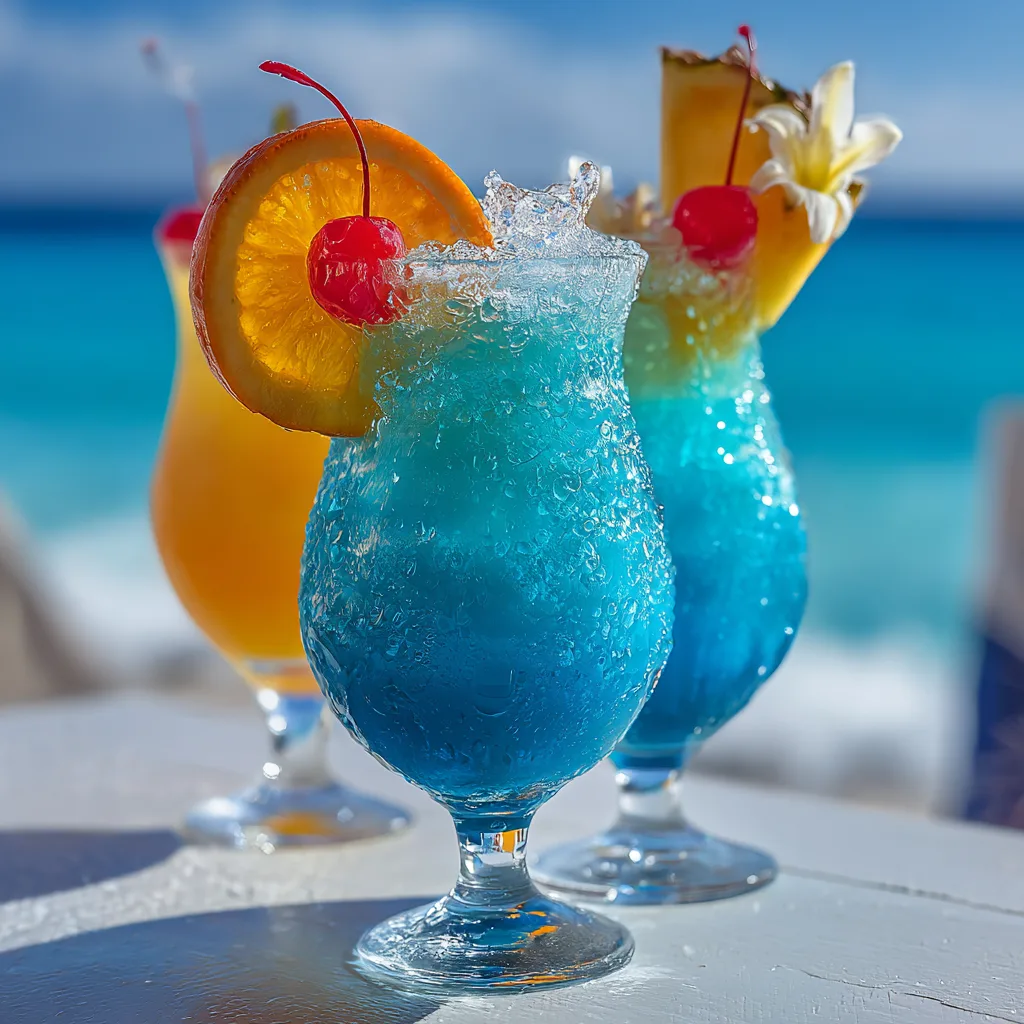
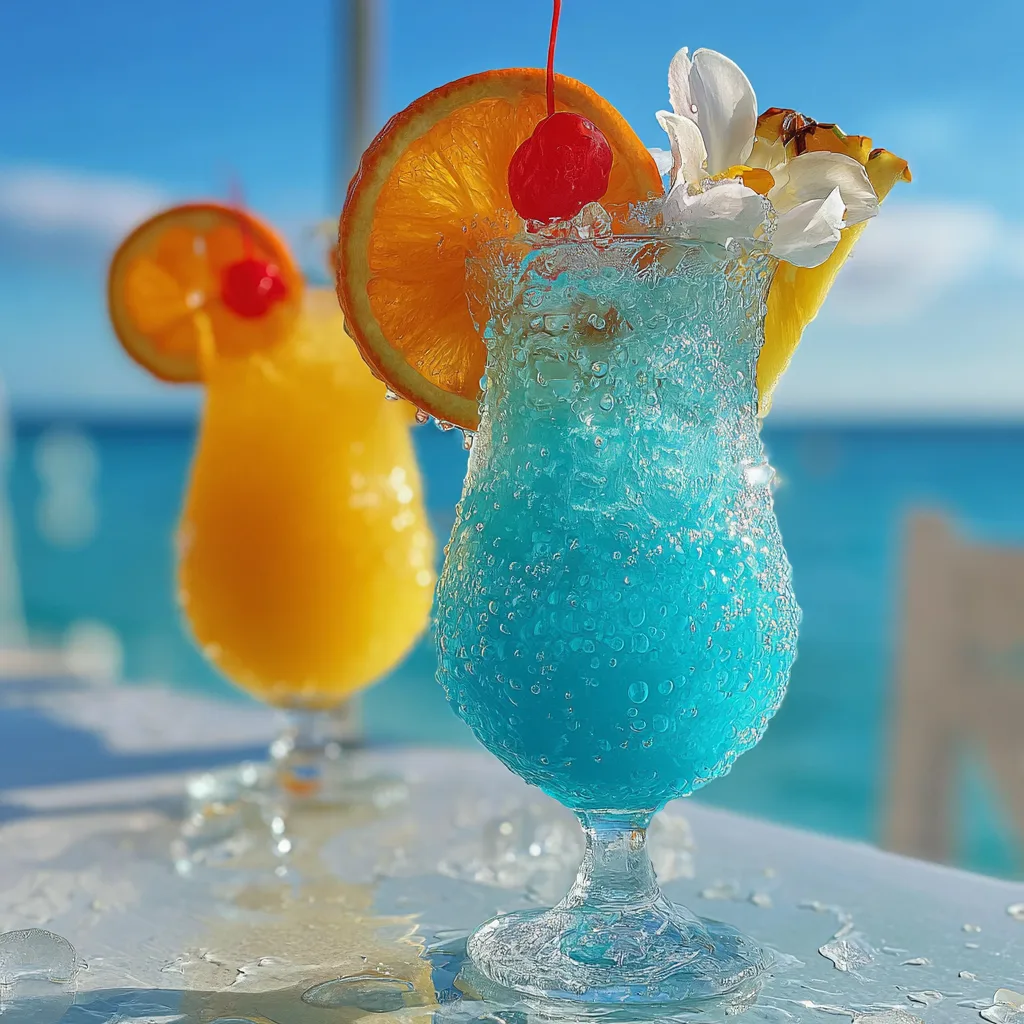
The Hurricane Glass: Presentation is half the fun of tiki drinks! The traditional vessel is a Hurricane glass—a tall, curvy glass named after the hurricane lamps it resembles. Its large capacity holds plenty of crushed ice and liquid, and its wide mouth provides ample room for extravagant garnishes.
Crushed Ice: If you are serving this drink “on the rocks,” crushed or pebble ice is vastly superior to standard cubed ice. Crushed ice dilutes the drink slightly faster, which helps mellow the intense sweetness, and keeps the drink frostier from top to bottom.
Ingredients List
- – 2 oz Light Rum
- – 1 oz Blue Curaçao liqueur
- – 2 oz Cream of Coconut (e.g., Coco Lopez)
- – 2 oz 100% Pineapple Juice
- – Crushed ice (for shaking and serving)
- – Fresh pineapple wedge (for garnish)
- – Maraschino cherry (for garnish)
- – Orange wheel or fresh edible orchid (optional, for extravagant garnish)
Step-by-Step Instructions (Shaken on the Rocks)
- Chill Your Glassware: Begin by placing your Hurricane glass in the freezer for about 10 minutes, or fill it with ice water while you prepare the drink. A frosted glass keeps your cocktail colder for longer.
- Combine the Ingredients: In your cocktail shaker, add the Light Rum, Blue Curaçao, Cream of Coconut, and Pineapple Juice. Tip: Cream of coconut can separate in the can, so be sure to stir or shake the can thoroughly before measuring it out.
- Add Ice and Shake: Fill the shaker halfway with ice cubes. Secure the lid tightly and shake vigorously for 15 to 20 seconds. The cream of coconut is thick and requires aggressive shaking to properly emulsify with the juices and alcohol. The outside of the shaker should become uncomfortably cold to the touch.
- Prepare the Glass: Discard the ice water from your chilled Hurricane glass (if used) and fill the glass to the very top with fresh, crushed ice.
- Strain and Pour: Remove the lid from your shaker and strain the brilliant blue mixture over the crushed ice in your Hurricane glass.
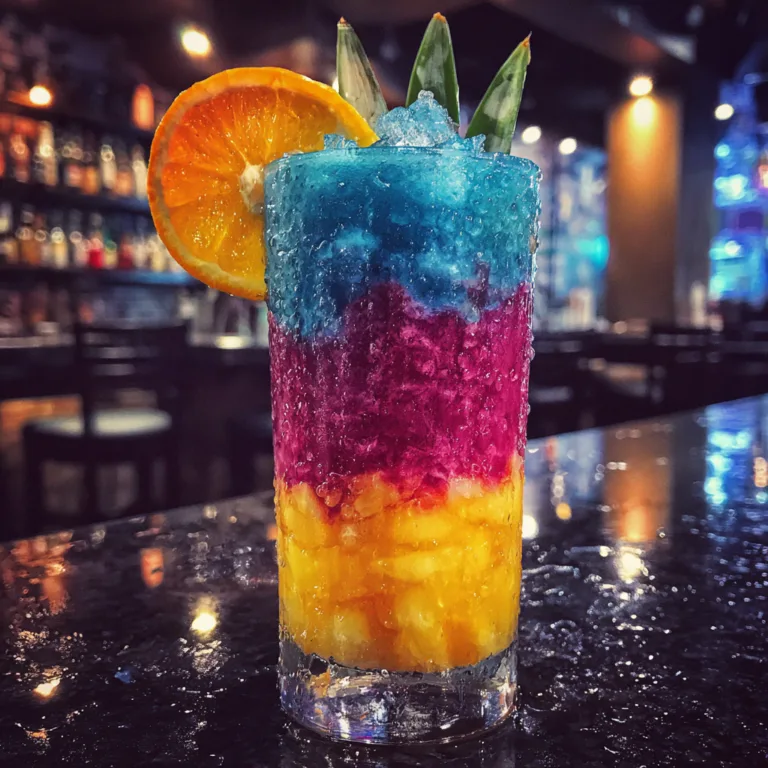
- The Art of the Garnish: This is where you make the drink spectacular. Skewer a bright red maraschino cherry and a fresh pineapple wedge onto a cocktail pick and balance it across the rim. For extra flair, tuck a fresh orange wheel or a food-safe white orchid right into the ice at the top of the glass. Serve immediately with a wide straw.
Tips for the Perfect Cocktail Experience
Handling Cream of Coconut: Cream of coconut has a high fat content, which means it solidifies easily when cold. Do not store your cream of coconut in the refrigerator before mixing, or it will be nearly impossible to blend smoothly. Keep it at room temperature. If it has hardened, run the closed can under hot water for a few minutes and shake vigorously before opening.
The Frozen Variation: If you prefer a slushy, blender-style drink, the recipe remains exactly the same. Simply add all the liquid ingredients to a high-powered blender along with 1.5 cups of crushed ice. Blend on high until completely smooth and snowy, then pour into your glass. The frozen version will appear slightly lighter, more of a pastel baby blue, due to the aeration of the ice.
Adjusting the Sweetness: The Blue Hawaiian leans heavily toward the sweet side. If you prefer a more balanced, tart cocktail, you can squeeze half an ounce of fresh lime juice into the shaker. The citrus will cut through the heavy coconut syrup and brighten the entire profile.
Creative Variations and Twists
The Spiced Ocean: Substitute the light rum with a high-quality spiced rum. The addition of cinnamon, nutmeg, and clove notes from the rum transforms the drink into a complex, warming, tropical delight that feels right at home even in the autumn months.
The Blue Coconut Margarita: Swap the rum for a silver tequila and add an ounce of fresh lime juice. The earthy, agave notes of the tequila blend wonderfully with the coconut and blue curaçao, creating a fascinating cross between a tiki drink and a classic margarita.
The Virgin Blue Hawaiian (Mocktail): To make this family-friendly, simply omit the rum entirely. Replace the alcoholic Blue Curaçao with a non-alcoholic Blue Curaçao syrup (such as Monin or Torani). Use 2 oz of the blue syrup, 2 oz cream of coconut, and 3 oz of pineapple juice. Blend or shake as usual. It is a stunning, delicious treat for kids and non-drinkers alike.
Serving Suggestions and Food Pairings
Because the Blue Hawaiian is essentially a tropical dessert in a glass—rich, creamy, and quite sweet—it pairs best with savory, salty, and spicy foods that offer a sharp contrast to cleanse the palate.
Spicy Island Fare: The cooling, dairy-like qualities of the cream of coconut make this drink the perfect fire-extinguisher for spicy foods. Serve it alongside Jamaican jerk chicken, spicy Thai green curry, or blackened mahi-mahi tacos.
Savory Appetizers: If you are hosting a summer party, pair pitchers of Blue Hawaiians with salty, savory bites. Think coconut shrimp with a sweet chili dip, teriyaki beef skewers, or a large platter of salty tortilla chips with fresh, lime-heavy guacamole.
Light Seafood: The citrus and pineapple notes complement fresh seafood beautifully. A bright, acidic ceviche or a platter of fresh oysters provides a clean, oceanic contrast to the heavy, sweet cocktail.
Conclusion: Your Ticket to Paradise
The Blue Hawaiian is much more than just a novelty colored drink; it is a delicious piece of mid-century mixology history that has stood the test of time for a very good reason. It delivers comfort, sweetness, and a much-needed dose of escapism with every single sip.
By taking the time to use proper ingredients—especially real cream of coconut and quality rum—and paying attention to the art of the garnish, you elevate this cocktail from a standard dive-bar slushy to a resort-quality masterpiece. The next time the weather gets warm, or even when you just desperately need a mental vacation in the middle of winter, crush some ice, shake up a Blue Hawaiian, and let the soothing flavors of coconut and pineapple carry you away to the islands. Mahalo and cheers!
Blue Hawaiian Cocktail
Ingredients
Equipment
Method
- Chill a Hurricane glass in the freezer or fill with ice water to frost.
- In a cocktail shaker, combine the light rum, blue curaçao, cream of coconut, and pineapple juice. Be sure the cream of coconut is well-stirred before measuring.
- Fill the shaker halfway with ice cubes. Secure the lid and shake vigorously for 15-20 seconds to completely emulsify the coconut cream.
- Empty the chilling water from your Hurricane glass and fill it to the brim with fresh crushed ice.
- Strain the vibrant blue cocktail mixture over the crushed ice in the glass.
- Garnish lavishly with a fresh pineapple wedge, a maraschino cherry, and an orange slice. Add a straw and serve immediately.