Crispy Scallion Pancakes
The Ultimate Homemade Crispy Scallion Pancakes Recipe: Flaky, Chewy, and Irresistible
There is a specific kind of culinary magic that happens when you combine simple flour, water, salt, and green onions. The result is a beloved classic: the Chinese scallion pancake, also known as Cong You Bing. If you have ever bitten into a perfectly pan-fried scallion pancake at your favorite dim sum restaurant or local takeout spot, you know exactly what makes them so irresistible. The exterior is shattered and crispy, boasting golden-brown blisters from the hot oil, while the interior is wonderfully chewy, tender, and pulled apart into dozens of distinct, savory, scallion-studded layers.
For many, the thought of recreating these multi-layered masterpieces at home seems incredibly intimidating. Laminated doughs—pastries that require folding fat into dough repeatedly to create layers, like croissants or puff pastry—are notoriously difficult. However, the lamination process for scallion pancakes is completely different, infinitely more forgiving, and entirely achievable in a standard home kitchen. By utilizing a simple hot water dough and a clever rolling technique, you can achieve that sought-after flakiness without any specialized equipment or professional baking degrees.
In this comprehensive guide, we are going deep into the science, technique, and flavors of homemade scallion pancakes. Prepare to transform your kitchen into a fragrant haven of toasty sesame oil and sizzling scallions. Once you master this satisfying recipe, you will never want to rely on the frozen grocery store versions again.

What Are Scallion Pancakes (Cong You Bing)?
To understand the scallion pancake, we must first discard the Western notion of what a “pancake” is. Unlike American breakfast pancakes, which rely on a liquid batter leavened with baking powder or baking soda to create a fluffy, cake-like texture, Chinese scallion pancakes are an unleavened flatbread. They are made from a pliable dough that is kneaded, rested, rolled out paper-thin, brushed with a savory fat (usually a seasoned oil-flour roux), sprinkled generously with chopped scallions, rolled into a tight cylinder, coiled into a snail shape, and then flattened once more before pan-frying.
This elaborate-sounding, yet simple-to-execute process is what creates the signature, pull-apart layers. Cong You Bing is a staple street food in Taiwan and mainland China, often eaten for breakfast, enjoyed as a mid-afternoon snack, or served alongside hearty soups and noodle dishes to soak up flavorful broths. The beauty of the scallion pancake lies in its textural contrasts: the crunch of the pan-fried crust yielding to the slightly stretchy, chewy, and highly aromatic interior.
The Science of the Flake: Hot Water Dough Explained
The absolute foundation of a phenomenal scallion pancake is the dough, specifically a “hot water dough.” If you were to mix flour with cold or room-temperature water, the proteins in the wheat (glutenin and gliadin) would immediately link up to form strong gluten networks. This would result in a dough that is incredibly elastic, snappy, and difficult to roll out thinly without it springing back. When pan-fried, a cold-water dough tends to become tough and unpleasantly hard.
Enter the hot water technique. By pouring boiling water directly into the all-purpose flour, you are effectively cooking a portion of the flour right in the bowl. The intense heat denatures the wheat proteins, preventing them from forming strong gluten strands, while simultaneously gelatinizing the starches. This makes the dough incredibly soft, supple, and easy to roll out to a sheer thinness.
However, we do not want a dough with zero structure, or it would fall apart when we try to pan-fry it. This is why the best scallion pancake recipes—including this one—use a two-temperature water method. After hydrating a portion of the flour with boiling water, we add a splash of cold water to the remaining dry flour. This provides just enough gluten development to give the cooked pancake that satisfying, characteristic chewiness that contrasts beautifully with the crispy exterior.
The Secret Weapon: The Savory Oil Roux
Many beginner recipes simply instruct you to brush sesame oil over the rolled-out dough before adding scallions. While this works in a pinch, it often results in a pancake where the layers stick back together during the final rolling phase, minimizing the flakiness.
The secret to distinct, separated layers that shatter upon biting is creating a quick savory roux. By mixing hot oil (a neutral oil blended with a splash of toasted sesame oil) with a few tablespoons of flour, salt, and sometimes Chinese five-spice powder, you create a thick, flavorful paste. When this paste is spread over the dough, the flour in the paste acts as a physical barrier between the layers of dough, preventing them from fusing together when you roll and flatten the pancake. When the pancake hits the hot pan, the moisture in the dough steams, pushing the separated layers apart and creating that gorgeous, laminated texture.
Ingredients You Will Need
The ingredient list for this culinary masterpiece is wonderfully short and relies entirely on pantry staples and fresh produce.
For the Hot Water Dough:
- – 2 and 1/2 cups all-purpose flour
- – 3/4 cup boiling water
- – 1/4 cup cold water
- – 1 teaspoon kosher salt
For the Savory Roux and Filling:
- – 1/4 cup neutral cooking oil (such as canola, vegetable, or avocado oil)
- – 1 tablespoon toasted sesame oil
- – 1/3 cup all-purpose flour
- – 1 teaspoon kosher salt
- – 1/2 teaspoon Chinese five-spice powder (optional, but highly recommended)
- – 2 cups finely chopped scallions (green onions) – use both the white and green parts
For Pan-Frying:
- – 3 to 4 tablespoons neutral cooking oil for frying
Step-by-Step Instructions for Perfect Lamination
Follow these detailed steps to achieve the flakiest, crispiest scallion pancakes of your life.
- Prepare the Dough: In a large mixing bowl, whisk together the 2 1/2 cups of all-purpose flour and 1 teaspoon of salt. Make a well in the center. Carefully pour the boiling water into the well, using a wooden spoon or chopsticks to vigorously stir the flour and water together. You will end up with a shaggy, lumpy mixture.
- Add the Cold Water: Pour the cold water into any remaining dry spots of flour in the bowl. Continue stirring until a cohesive, albeit rough, dough begins to form.
- Knead and Rest: Turn the dough out onto a clean work surface. Knead it by hand for about 5 to 8 minutes. The dough should transition from rough and shaggy to smooth, supple, and slightly tacky (but not sticking to your hands). Shape it into a ball, lightly coat it with a tiny drop of oil, and place it back into the bowl. Cover the bowl with a damp kitchen towel or plastic wrap. Let the dough rest at room temperature for at least 45 minutes to 1 hour. This resting period is non-negotiable; it relaxes the gluten, making the dough rollable.
- Prepare the Roux: While the dough rests, make the savory paste. In a small, heat-proof bowl, whisk together the 1/3 cup of flour, salt, and five-spice powder. In a small saucepan, heat the neutral oil and sesame oil until it shimmers. Carefully pour the hot oil over the flour mixture (it will bubble up!). Whisk until it forms a smooth, slightly runny paste. Set aside to cool.
- Chop the Scallions: Finely chop your scallions. Ensure they are dry before chopping; excess moisture can make the dough soggy.
- Divide the Dough: After resting, punch down the dough and divide it into 4 equal pieces. Keep the pieces you aren’t actively working on covered with the damp towel so they don’t dry out.
- Roll and Luminate: Take one piece of dough and roll it out on a lightly oiled surface (do not use flour, as it will dry out the dough) into a very thin rectangle, about 10×8 inches. It should be almost translucent.
- Apply Roux and Scallions: Using a spoon or pastry brush, spread a thin, even layer of the savory roux over the entire surface of the rolled-out dough, going all the way to the edges. Sprinkle a generous handful (about 1/2 cup) of the chopped scallions evenly over the paste.
- Roll into a Cylinder: Starting from the long edge closest to you, tightly roll the dough up like a cigar or a jelly roll. Try to eliminate any air pockets as you roll. You will now have a long, scallion-filled rope.
- Coil the Dough: Take the rope and coil it in on itself to form a tight circle, similar to a snail shell or a cinnamon roll. Tuck the very end of the rope underneath the coil and pinch to seal. Flatten the coil slightly with the palm of your hand. Repeat steps 7-10 with the remaining three pieces of dough. Let the coiled dough rest for another 15 minutes.
- Final Flattening: Take a rested coil and, using a rolling pin, gently roll it out into a flat pancake about 6 to 7 inches in diameter. Be gentle so you do not pop all the air bubbles or tear the layers, though a few escaping scallions are perfectly fine and will get deliciously charred in the pan.
- Pan-Fry to Perfection: Heat a heavy-bottomed skillet (cast iron is excellent for this) over medium-high heat. Add 1 tablespoon of neutral oil. Once the oil is shimmering and hot, carefully lay one pancake into the skillet. Pan-fry for 2 to 3 minutes on the first side until golden brown and blistered. Flip the pancake and cook for another 2 minutes on the other side.
- The “Fluff” Technique: For extra flaky layers, use two spatulas to gently scrunch or clap the edges of the pancake inward toward the center while it finishes cooking. This forces the crispy layers to separate. Remove from the pan and place on a wire cooling rack. Repeat with the remaining pancakes, adding more oil to the pan as needed.
Expert Tips for Maximum Crispiness and Layers
If you want to elevate your pancakes from good to spectacular, keep these expert tips in mind. Firstly, never skip the dough resting times. Resting relaxes the gluten structure. If you try to roll the dough out immediately, it will fight you, spring back, and tear, ruining the delicate layers. Secondly, cooling the cooked pancakes on a wire rack rather than a paper towel-lined plate is crucial. If you stack hot pancakes on a plate, the steam they release will become trapped, immediately turning that hard-earned crispy crust soft and soggy. The wire rack allows air to circulate, keeping the exterior shatteringly crisp.
Flavor Variations and Upgrades
While the traditional scallion-only filling is iconic, the rolled-dough method lends itself beautifully to creative variations. For a spicy kick, add a thin layer of chili crisp or finely minced jalapeños alongside the scallions before rolling. For a richer, more indulgent version, sprinkle finely grated cheddar cheese or crumbled cooked bacon into the layers. You can even experiment with incorporating finely minced kimchi (make sure it is squeezed completely dry of its juices) or swapping the scallions for wild garlic or garlic chives for a punchier flavor profile.
Serving Suggestions and Dipping Sauces
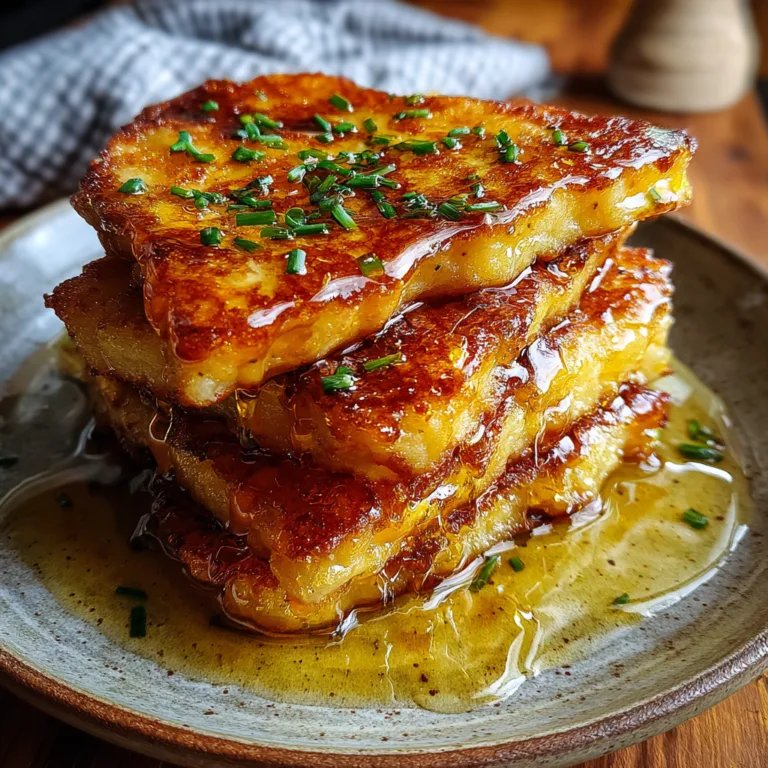
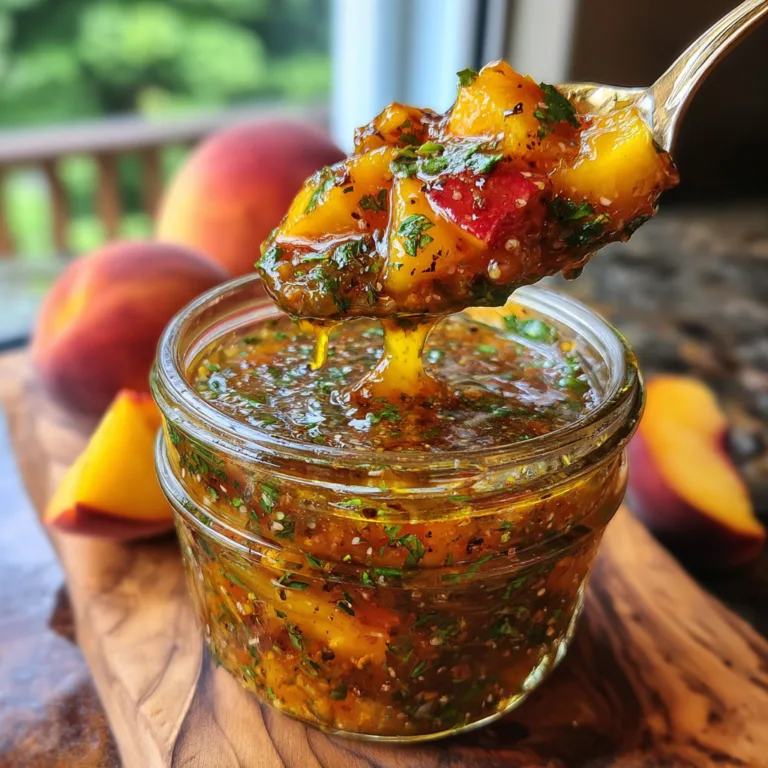
Scallion pancakes are best enjoyed fresh out of the pan, cut into wedges, and served alongside a variety of dipping sauces. As seen in the glorious setup above, a trio of sauces offers the perfect flavor journey.
1. Dark Soy and Black Vinegar Dip: This is the classic pairing. Combine 2 tablespoons of soy sauce, 1 tablespoon of Chinese black vinegar (Chinkiang vinegar), a pinch of sugar, and a few drops of sesame oil. The acidity of the vinegar perfectly cuts through the richness of the fried dough.
2. Creamy Spicy Sesame Sauce: For a richer dip, mix 2 tablespoons of Japanese Kewpie mayonnaise with 1 tablespoon of toasted sesame paste (or tahini) and 1 teaspoon of Sriracha or chili garlic sauce. It provides a cooling, creamy contrast to the hot pancake.
3. Chili Oil Crunch: For the heat seekers, a high-quality, store-bought or homemade chili crisp oil loaded with fried garlic and shallots adds incredible texture and a fiery punch to every bite.

How to Make Ahead, Freeze, and Reheat
One of the best things about scallion pancakes is how exceptionally well they freeze, making them the ultimate meal-prep appetizer. To freeze them, complete the recipe up to step 11 (rolling them out into flat disks). Do not cook them yet. Instead, stack the raw, flattened pancakes between layers of parchment paper so they do not stick together. Place the stack in a heavy-duty freezer bag and freeze for up to 3 months.
When you are ready to eat, there is no need to thaw them. Simply heat a pan with oil over medium heat and place the frozen pancake directly into the skillet. You may need to add an extra minute of cooking time per side, but they will puff up and become just as crispy and layered as if you made them fresh that day. If you have leftover cooked pancakes, reheat them in a dry skillet over medium heat or in an air fryer for a few minutes to restore their crispiness; avoid the microwave, which will make them rubbery.
Frequently Asked Questions
Can I use a stand mixer to knead the dough?
Yes, you can use a stand mixer fitted with a dough hook. However, because this is a relatively small and simple dough, kneading by hand is often faster when you factor in the setup and cleanup time of the mixer. It also allows you to feel the texture of the dough change and know exactly when it is ready.
Why are my pancakes tough and not flaky?
Tough pancakes are usually the result of three things: not resting the dough long enough, using cold water instead of boiling water for the initial hydration, or rolling the dough too thickly. Flakiness depends on rolling the dough sheer, using enough of the oil-flour roux, and rolling the cylinder tightly.
Can I bake these instead of pan-frying?
While you technically can bake them, it is not recommended. Baking dries out the dough and fails to produce the blistered, fried crust that is the hallmark of a true scallion pancake. For the authentic texture and flavor, pan-frying in a shallow layer of oil is essential.
Mastering homemade scallion pancakes is a highly rewarding culinary endeavor. With this technique, you can produce a stack of incredibly crispy, aromatic, and flaky flatbreads that will rival any restaurant. Gather your ingredients, roll up your sleeves, and get ready to enjoy one of the most satisfying savory treats imaginable.
Homemade Crispy Scallion Pancakes
Ingredients
Equipment
Method
- In a large bowl, whisk 2.5 cups flour and 1 tsp salt. Pour boiling water over the flour and mix with a wooden spoon until a shaggy dough forms.
- Add cold water to the dry spots and mix until a dough comes together. Turn onto a surface and knead for 5-8 minutes until smooth. Cover and rest for 45-60 minutes.
- Make the roux: Whisk 1/3 cup flour, 1 tsp salt, and five-spice in a heat-proof bowl. Heat 1/4 cup neutral oil and 1 tbsp sesame oil until shimmering, then carefully pour over the flour mixture. Whisk into a paste and cool.
- Divide the rested dough into 4 equal pieces. Working with one piece at a time, roll it out into a very thin 10×8-inch rectangle.
- Brush a thin layer of the savory roux all over the dough. Sprinkle with 1/2 cup chopped scallions.
- Tightly roll the dough up from the long edge into a long rope. Coil the rope in on itself like a snail shell, tucking the end underneath. Flatten slightly and let rest for 15 minutes.
- Gently roll the rested coil out into a 6 to 7-inch flat pancake.
- Heat 1 tbsp of oil in a skillet over medium-high heat. Fry the pancake for 2-3 minutes per side until golden brown and blistered.
- Transfer to a wire cooling rack to maintain crispiness. Repeat with remaining dough. Cut into wedges and serve with dipping sauces.