Sweet Potato Rounds
The Ultimate Roasted Sweet Potato Rounds with Honey & Feta
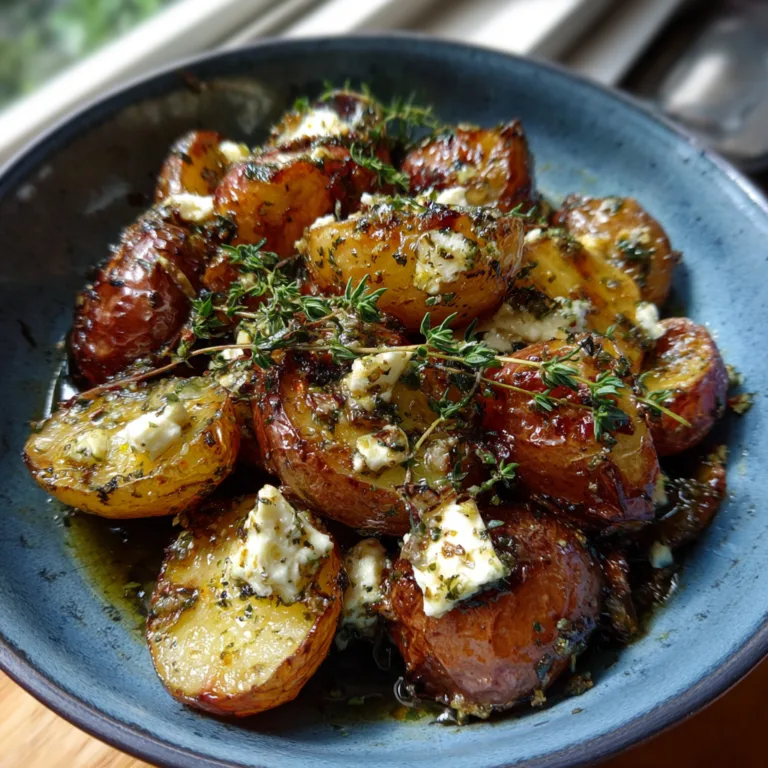
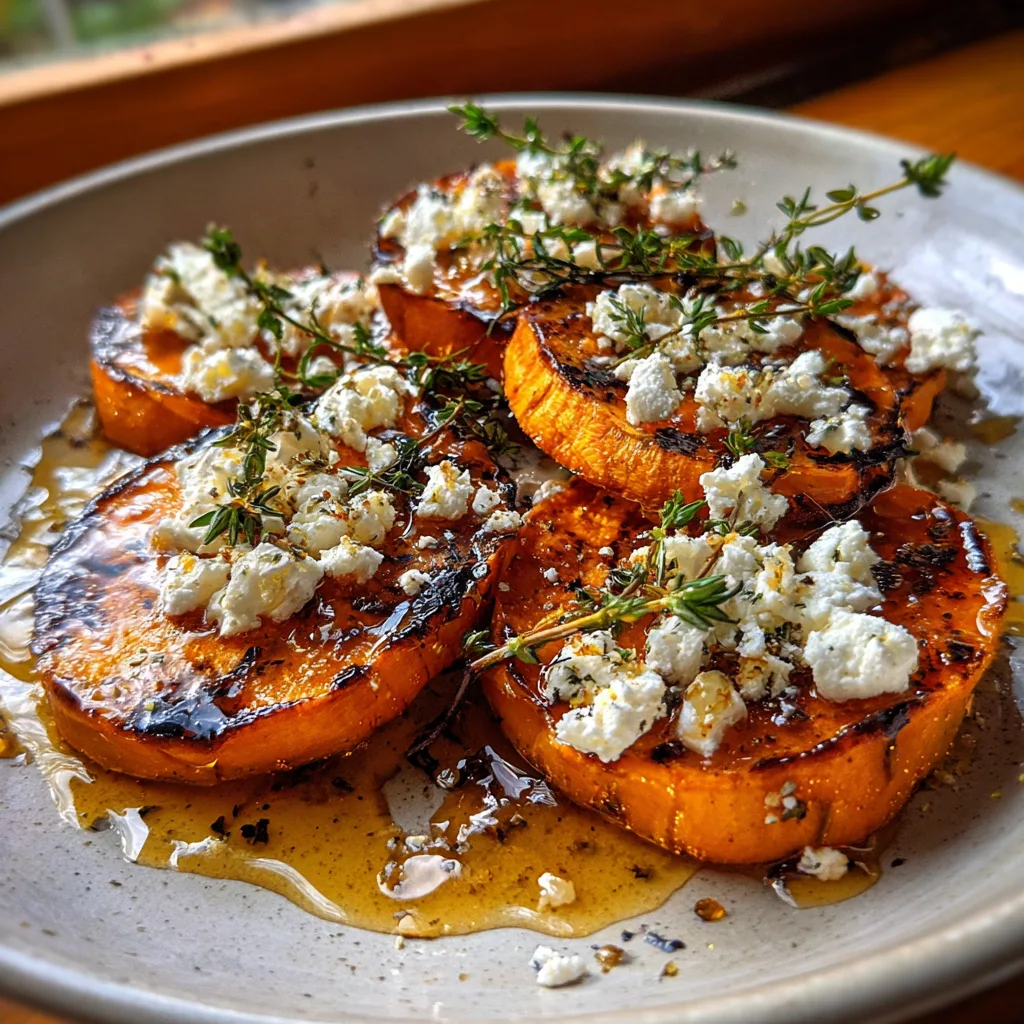
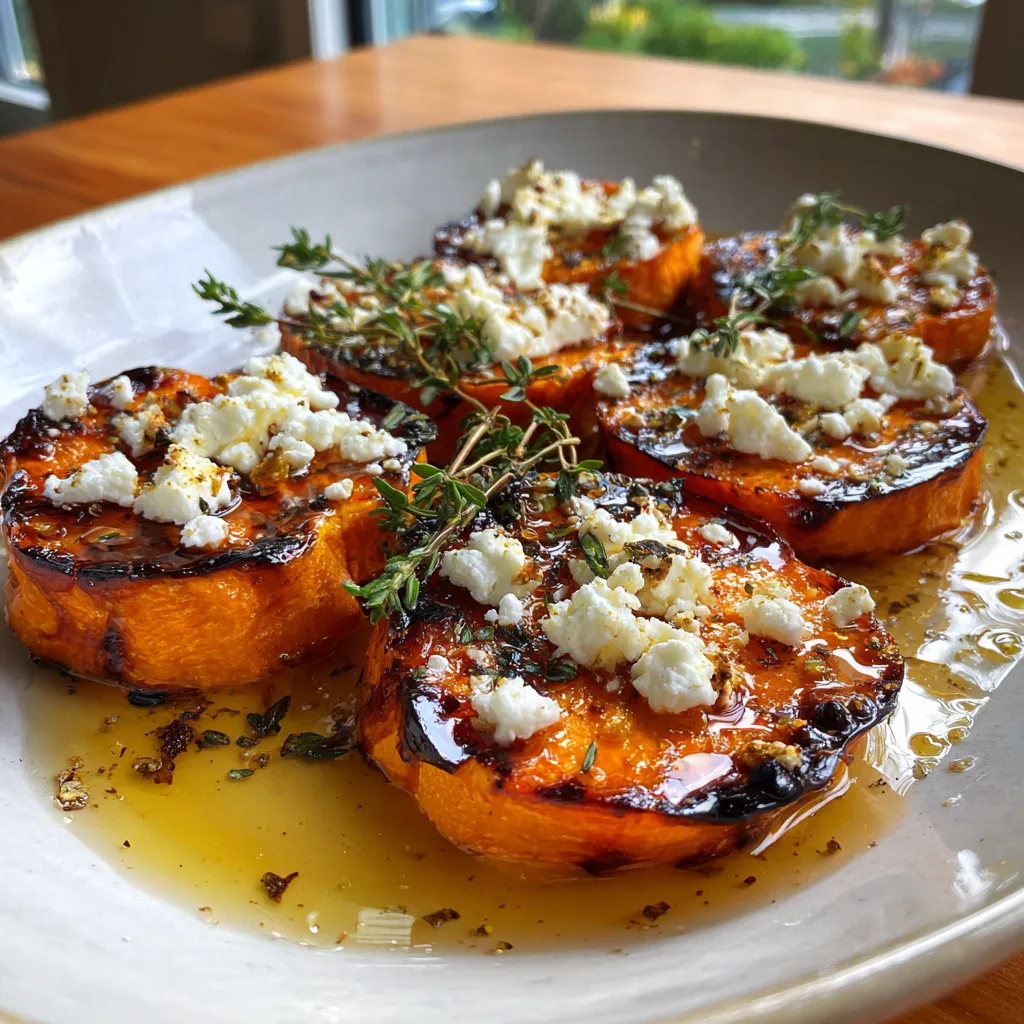
There are side dishes that merely play a supporting role on the dinner table, and then there are side dishes that completely steal the spotlight. These Roasted Sweet Potato Rounds with Honey and Feta fall firmly into the latter category. Imagine tender, vividly orange medallions of sweet potato, roasted in a hot oven until their edges become beautifully caramelized and slightly chewy. Now, picture those piping hot rounds generously topped with creamy, salty crumbles of feta cheese, a generous drizzle of sticky, golden honey, and a scattering of fresh, aromatic thyme. It is an absolute masterpiece of flavor and texture that will leave your family and dinner guests begging for the recipe.
Whether you are planning a grand holiday feast like Thanksgiving or Christmas, organizing a casual weekend dinner party, or simply looking to elevate your weeknight meal prep, this dish is a guaranteed winner. It effortlessly bridges the gap between sweet and savory, offering a complex flavor profile while requiring incredibly minimal effort. In this comprehensive guide, we will explore the culinary science behind why these flavors work so harmoniously together, how to achieve the perfect roast, and the best ways to customize and serve this unforgettable dish.
Why This Sweet Potato Side Dish Will Steal the Show
Sweet potatoes are undeniably one of the most versatile root vegetables available. They are a staple in kitchens worldwide, prized for their natural sweetness and nutritional density. However, they are far too often relegated to being mashed with butter and brown sugar or baked whole and forgotten. By slicing them into thick, uniform rounds and roasting them at a high temperature, we fundamentally change their texture and unlock their true potential.
The roasting process concentrates the natural sugars within the sweet potato, creating a depth of flavor that boiling or microwaving simply cannot achieve. But the real magic happens after they come out of the oven. By introducing feta cheese, we bring in a sharp, briny, and salty element that cuts right through the starchiness of the potato. The honey acts as a bridge, enhancing the sweet potato’s natural sugars while contrasting the salty cheese. Finally, the fresh thyme adds an earthy, floral, and slightly peppery note that ties the entire dish together, elevating it from a simple vegetable side to a gourmet culinary experience. It is a masterclass in the culinary concept of flavor balancing.
The Magic of Flavor Balancing: Sweet, Salty, and Earthy
To truly understand why this recipe is so captivating, we have to look at how our taste buds process different flavor combinations. The human palate is intrinsically drawn to the combination of sweet and salty. This pairing, often referred to as “flavor layering,” triggers multiple receptors on the tongue simultaneously, sending complex and highly rewarding signals to the brain.
In this recipe, the sweet potato acts as the canvas. When roasted, the Maillard reaction occurs—this is the chemical reaction between amino acids and reducing sugars that gives browned food its distinctive flavor. It is what makes the edges of the sweet potato rounds taste almost like caramel.
The feta cheese is the crucial salty component. Feta is a brined curd cheese, traditionally made in Greece from sheep’s milk or a mixture of sheep and goat’s milk. Its crumbly texture and sharp, tangy bite provide a much-needed contrast to the soft, sweet potato. Without the feta, the dish might lean too far into dessert territory.
The honey amplifies the sweetness but adds a floral, viscous quality that coats the palate. It physically binds the feta crumbles to the sweet potato. Lastly, the fresh thyme introduces a necessary earthy, savory element. Thyme contains compounds like thymol, which have a warm, slightly minty, and woodsy profile. This herbaceous note grounds the dish, ensuring it remains firmly in the category of a savory side dish rather than a sweet treat.
Sourcing the Best Ingredients for Maximum Flavor
Because this recipe relies on just a handful of ingredients, the quality of each component is absolutely critical. You cannot hide subpar ingredients in a dish this simple. Here is what you need to know to shop for the best possible components.
Choosing the Right Sweet Potatoes
Not all sweet potatoes are created equal. For roasting into rounds, you want to look for the Beauregard, Jewel, or Garnet varieties. These are the classic, orange-fleshed sweet potatoes that are incredibly moist and sweet. Avoid the pale-skinned, white-fleshed varieties (like the Hannah sweet potato) for this specific recipe, as they tend to be drier, starchier, and less sweet. When selecting your potatoes at the market, look for ones that are relatively uniform in shape and thickness. This ensures that when you slice them, the rounds are similar in size and will cook evenly. The skin should be smooth and firm, without any soft spots, deep blemishes, or signs of sprouting.
The Importance of Good Feta
Step away from the pre-crumbled feta cheese. Pre-crumbled cheeses are coated in anti-caking agents like cellulose to prevent them from sticking together in the container. This not only affects the texture, making it chalky, but it also mutes the flavor. Instead, seek out a block of feta cheese that is sold submerged in its own brine. Brined feta stays incredibly moist, creamy, and sharp. Authentic Greek feta made from sheep’s milk will offer the most robust flavor, but a high-quality cow’s milk feta will also work beautifully if you prefer a milder taste. You will crumble it yourself right before serving.
Honey and Herbs: The Finishing Touches
The type of honey you use will drastically impact the final flavor profile of the dish. A standard clover honey is perfectly fine and will provide the necessary sweetness. However, if you want to elevate the dish, look for a raw, unfiltered wildflower honey or orange blossom honey, which brings distinct floral notes that pair spectacularly with the fresh thyme. Speaking of thyme, fresh is non-negotiable here. Dried thyme has a muted, almost dusty flavor compared to the vibrant, lemony, and peppery punch of fresh thyme leaves.
Essential Ingredients List
Gather the following ingredients before you begin cooking:
- – 2 to 3 large, uniformly shaped orange-fleshed sweet potatoes
- – 3 tablespoons high-quality extra virgin olive oil
- – 1 teaspoon coarse kosher salt (plus a pinch more for finishing)
- – 1/2 teaspoon freshly cracked black pepper
- – 4 ounces of block feta cheese in brine, crumbled
- – 2 to 3 tablespoons pure honey (wildflower or orange blossom preferred)
- – 1 generous tablespoon fresh thyme leaves, removed from the stems
Step-by-Step Instructions to Perfect Caramelization
Achieving perfectly tender sweet potatoes with deeply caramelized, slightly chewy edges requires the right technique. Follow these steps closely.
- Prepare the Oven and Baking Sheet: Preheat your oven to a blazing 425°F (220°C). High heat is essential for roasting root vegetables; if the oven is too cool, the potatoes will steam rather than roast. Line a large, heavy-duty rimmed baking sheet with parchment paper. Parchment prevents sticking and makes cleanup a breeze without interfering with the browning process.
- Prep the Sweet Potatoes: Give the sweet potatoes a thorough scrub under cold water. You can choose to peel them if you prefer a completely uniform texture, but leaving the skin on provides extra fiber, nutrients, and a rustic visual appeal. Using a very sharp chef’s knife, slice the sweet potatoes into uniform rounds, about 1/2-inch to 3/4-inch thick. Consistency is key here; if some are thin and some are thick, they will not cook evenly.
- Season and Oil: Place the sweet potato rounds in a large mixing bowl. Drizzle the extra virgin olive oil over the top, then sprinkle generously with the kosher salt and freshly cracked black pepper. Use your hands to toss the potatoes thoroughly, ensuring every single round is evenly coated in the oil and seasonings.
- Arrange for Roasting: Transfer the coated sweet potato rounds to your prepared baking sheet. Arrange them in a single, even layer. It is crucial that the rounds are not overlapping or touching too closely. If the pan is crowded, the moisture released by the potatoes will create steam, preventing them from browning. If necessary, use two baking sheets.
- The Roasting Process: Place the baking sheet in the preheated oven. Roast for 15 minutes, then remove the pan from the oven. Using a thin metal spatula or tongs, carefully flip each round over. Return the pan to the oven and roast for an additional 10 to 15 minutes. You will know they are done when they are fork-tender in the center and feature deep, golden-brown caramelization around the edges and on the flat surfaces.
- The Finishing Touches: Remove the baking sheet from the oven and immediately transfer the hot sweet potato rounds to a serving platter. While they are still piping hot, generously scatter the crumbled feta cheese over the top so the residual heat slightly softens the cheese. Drizzle the honey evenly over the entire platter, allowing it to pool on the hot potatoes. Finally, sprinkle the fresh thyme leaves over the top. Serve immediately while warm.
Pro Tips for Achieving the Perfect Roast
Even a simple recipe can benefit from professional kitchen techniques. Here are a few insider tips to guarantee success every time.
The Soaking Method (Optional but Effective): If you have extra time, try soaking your sweet potato rounds in cold water for 30 minutes before tossing them in oil. This process removes excess surface starch. Just be sure to pat them completely, bone-dry with paper towels before oiling them. Less surface starch leads to crispier edges in the oven.
Do Not Skimp on the Oil: Root vegetables are notorious for soaking up oil. If you do not use enough olive oil, the sweet potatoes will look dry and leathery instead of glossy and caramelized. Ensure each piece is fully lubricated.
Dark Pans vs. Light Pans: Be aware of the equipment you are using. Dark-colored baking sheets absorb and conduct heat faster than light-colored aluminum ones. If you are using a dark non-stick pan, your potatoes may brown much faster on the bottom, so you will need to monitor them closely and potentially flip them a few minutes earlier to prevent burning.
Delicious Variations and Customizations
This recipe is a brilliant foundation for culinary experimentation. Once you master the basic honey-feta-thyme trio, try these exciting variations to keep the dish fresh and new.
The Spicy Hot Honey Route: The “swicy” (sweet and spicy) trend is incredibly popular for a reason. Swap the regular honey for a high-quality hot honey infused with chilies. The subtle burn of the chili peppers cuts beautifully through the rich feta and sweet potato, adding a thrilling dimension to the dish.
Swap the Cheese: If you are not a fan of feta, goat cheese (chèvre) is a phenomenal substitute. It offers a similar tangy profile but with a creamier, more spreadable texture that melts luxuriously over the hot potatoes. Alternatively, a sharp blue cheese or gorgonzola can provide a pungent, aggressive contrast for adventurous palates.
Herb Variations: Thyme is classic, but fresh rosemary is a brilliant alternative, especially during the autumn and winter months. Chop the rosemary very finely, as it has a tougher texture than thyme. Fresh sage leaves, lightly fried in butter until crispy, also make an awe-inspiring garnish for this dish.
Add Some Crunch: For textural contrast, consider adding toasted nuts just before serving. Roughly chopped toasted pecans, candied walnuts, or even toasted pepitas (pumpkin seeds) add a wonderful crunch and earthy flavor that complements the soft potatoes.
Pairing Suggestions: What to Serve with Sweet Potato Rounds
Because these Roasted Sweet Potato Rounds are so flavorful, they pair best with main courses that are savory, rich, and slightly understated.
Holiday Feasts: This dish is an absolute showstopper next to a Thanksgiving turkey, a Christmas glazed ham, or a classic prime rib roast. It provides the sweetness traditionally associated with holiday sweet potato casseroles but in a much more refined, elegant presentation.
Weeknight Dinners: Serve these alongside simple roasted chicken thighs, pan-seared pork chops, or grilled flank steak. The sweet and salty profile of the potatoes elevates a basic protein into a meal that feels special.
Vegetarian Mains: If you are building a plant-based feast, these rounds are fantastic piled on top of a hearty grain bowl featuring quinoa, farro, or wild rice, paired with some massaged kale and a tahini lemon dressing.
Storing and Reheating Leftovers
If you happen to have leftovers, they store quite well, though the texture will soften slightly.
Store any leftover sweet potato rounds in an airtight container in the refrigerator for up to 4 days. When it comes time to reheat, avoid the microwave, which will make them mushy and rubbery. Instead, place them back on a baking sheet and reheat them in a 350°F (175°C) oven for about 8 to 10 minutes until warmed through. You can also reheat them in an air fryer at 350°F for 3 to 5 minutes. Wait to add fresh feta and a new drizzle of honey until after they are reheated to revive the dish’s vibrant flavors.
Frequently Asked Questions
Can I prep the sweet potatoes ahead of time?
Yes! You can wash, peel (if desired), and slice the sweet potatoes up to two days in advance. Store the raw rounds in an airtight container in the refrigerator. Do not toss them in olive oil or salt until right before you are ready to roast them, as the salt will draw out moisture and make them soggy.
Why are my sweet potatoes soggy instead of caramelized?
Soggy sweet potatoes are usually the result of two things: overcrowding the pan or an oven temperature that is too low. Make sure there is space between each potato round on the baking sheet so the steam can escape, and ensure your oven is fully preheated to 425°F before putting them in.
Is it absolutely necessary to flip them halfway through?
While you can technically roast them without flipping, taking the time to flip them ensures that both sides get direct contact with the hot baking sheet. This direct contact is what creates that beautiful, deeply flavorful caramelized crust on both sides of the potato round.
Conclusion
Cooking at home should be a joyful experience, and discovering recipes that deliver maximum flavor with minimal effort is a true victory. These Roasted Sweet Potato Rounds with Honey and Feta are a testament to the idea that you do not need a culinary degree or a kitchen full of complicated gadgets to create a gourmet, restaurant-quality dish. The careful balancing of sweet, salty, and earthy flavors creates a side dish that is vibrant, complex, and incredibly satisfying. The next time you are looking for a way to elevate your dinner table—whether for a quiet Tuesday night or a bustling holiday gathering—turn to this recipe. It is guaranteed to become a beloved staple in your culinary repertoire.
Roasted Sweet Potato Rounds with Honey & Feta
Ingredients
Equipment
Method
- Preheat your oven to 425°F (220°C). Line a large, rimmed baking sheet with parchment paper.
- Slice the sweet potatoes into uniform rounds, about 1/2-inch to 3/4-inch thick.
- Place the sweet potato rounds in a large bowl. Drizzle with olive oil, sprinkle with salt and pepper, and toss until every slice is evenly coated.
- Arrange the sweet potato rounds in a single layer on the prepared baking sheet, ensuring they do not overlap.
- Roast for 15 minutes. Remove from the oven and carefully flip each round with a spatula.
- Return to the oven and roast for an additional 10-15 minutes, or until the potatoes are fork-tender and the edges are deeply caramelized and golden brown.
- Transfer the hot sweet potato rounds to a serving platter.
- Immediately sprinkle the crumbled feta over the hot potatoes. Drizzle generously with honey and scatter the fresh thyme leaves over the top. Serve warm.