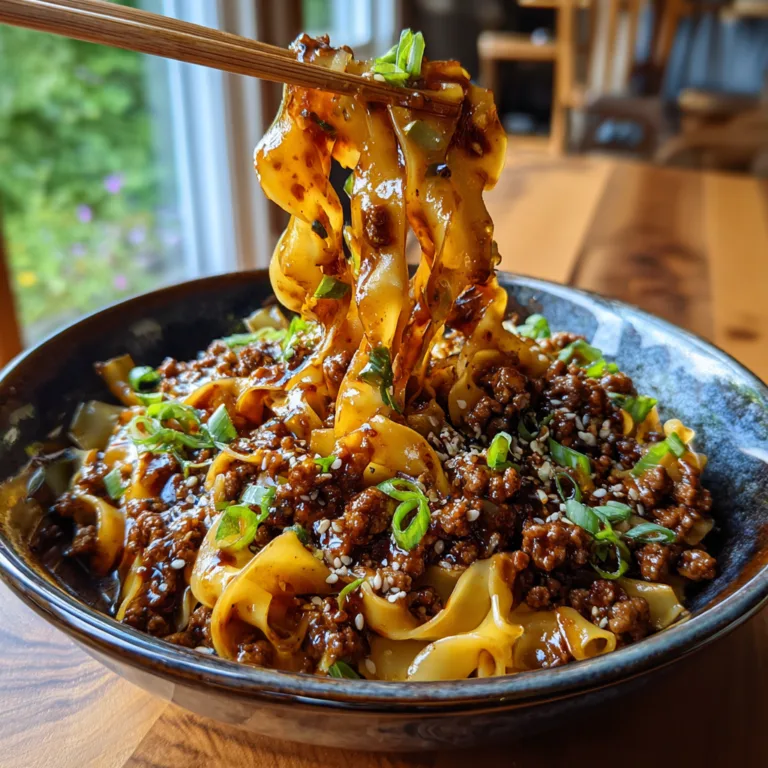
Spicy Dragon Chicken
The Ultimate Guide to Making Spicy Dragon Chicken at Home
If there is one dish that perfectly bridges the gap between crispy comfort food and fiery excitement, it is Spicy Dragon Chicken. Imagine biting into a piece of chicken that is impossibly crunchy on the outside, tender and juicy on the inside, and completely enveloped in a sauce that is equal parts spicy, sweet, savory, and sticky. This isn’t just a stir-fry; it is an experience. It is the kind of meal that makes you cancel your takeout order and wonder why you haven’t been making this at home all along.
Dragon Chicken is a star of the Indo-Chinese culinary world. It is a fusion cuisine that marries Indian spices and heat preferences with Chinese cooking techniques and sauces. The result? A flavor bomb that hits every single taste bud. The “Dragon” in the name isn’t just for show—it hints at the fiery kick from the red chili paste and fresh chilies, though the heat is beautifully balanced by the sweetness of ketchup and the umami of soy sauce. It is vibrant, it is glossy, and it is undeniably addictive.
In this comprehensive guide, we are going to break down exactly how to achieve that restaurant-quality gloss, the science behind the perfect crunch, and how to customize the spice level to your exact liking. Whether you are cooking a weeknight dinner for the family or looking for a show-stopping dish for a dinner party, this Spicy Dragon Chicken is guaranteed to impress.
Why This Recipe Will Become Your New Favorite
There are a million chicken recipes out there, so what makes this one stand out? Here are a few reasons why this Dragon Chicken deserves a permanent spot in your rotation:
- Texture Contrast: The magic lies in the “double-texture” experience. The chicken is battered and fried until golden, ensuring it stays crispy even after being tossed in the wet, sticky sauce.
- Flavor Complexity: It hits all five flavor profiles. You get salt from the soy sauce, sweet from the sugar/ketchup, sour from the vinegar, bitter/toasted notes from the garlic and sesame, and umami from the msg or chicken stock powder.
- Pantry Staples: despite looking exotic, the ingredients are likely already in your kitchen. If you have ketchup, soy sauce, cornstarch, and red pepper flakes, you are halfway there.
- Versatility: You can serve this as a dry appetizer (perfect for game day) or leave it saucy to spoon over steamed jasmine rice or noodles.
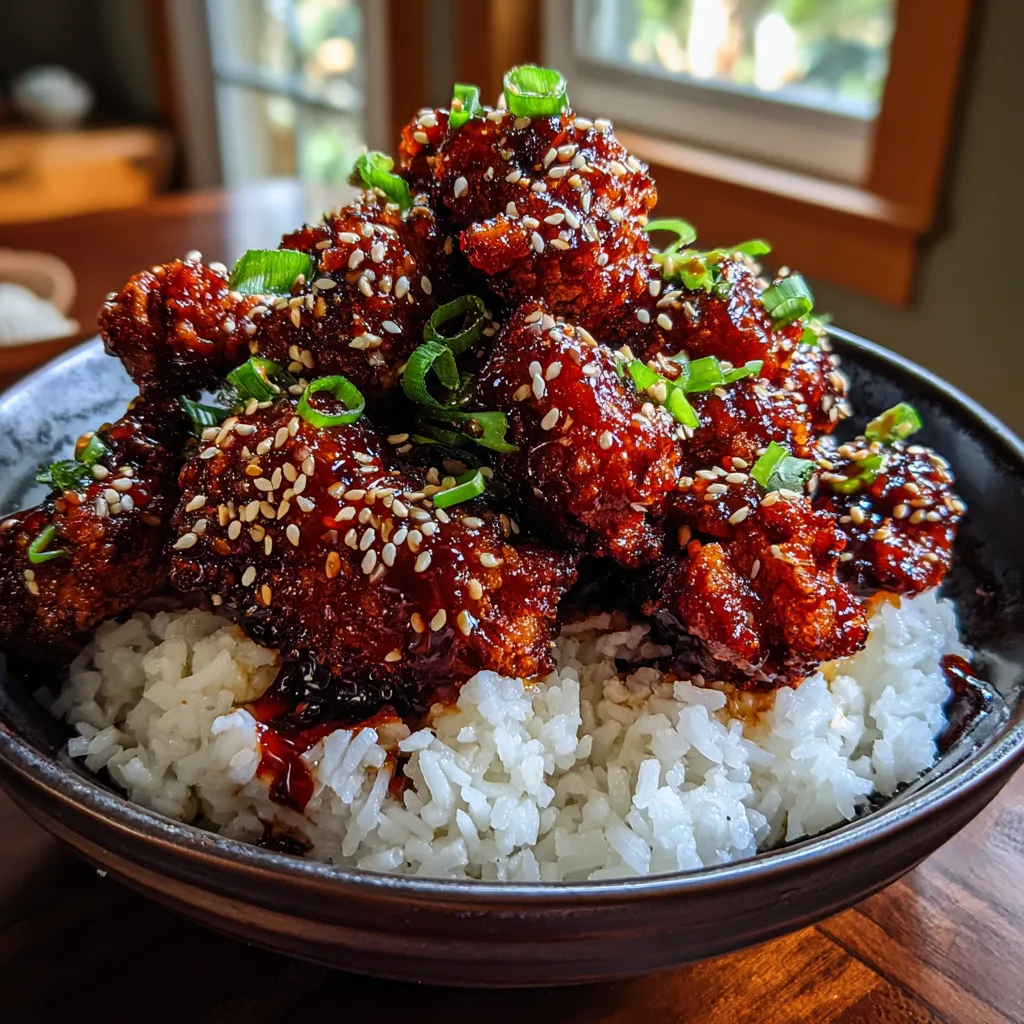
- Visual Appeal: Let’s be honest—we eat with our eyes first. The glistening red sauce, the pop of green onions, and the speckle of sesame seeds make this dish look incredibly appetizing.
The Ingredients: Breaking It Down
To make the best Dragon Chicken, you need to understand the role of each ingredient. Here is what you will need:
The Protein
Chicken Thighs vs. Breasts: For this recipe, boneless, skinless chicken thighs are recommended. They contain more fat and connective tissue, which keeps the meat juicy during the high-heat frying process. However, chicken breast works perfectly fine too, as long as you don’t overcook it. The marinade helps to velvet the breast meat, keeping it tender.
The Marinade & Coating
- Soy Sauce: Adds the base saltiness and deep color.
- Ginger & Garlic Paste: The aromatic backbone of Indo-Chinese cuisine.
- Egg White: Acts as a binder for the flour.
- Cornstarch (Cornflour): This is the secret to the crunch. Unlike wheat flour, cornstarch inhibits gluten formation, resulting in a coating that shatters when you bite it rather than being bready.
- All-Purpose Flour: Used in a smaller quantity than cornstarch to provide structure.
The Dragon Sauce
This is where the magic happens. The sauce needs to be thick enough to cling to the chicken but fluid enough to coat it evenly.
- Chili Paste: You can use Sambal Oelek, Red Chili Paste, or even Sriracha. This provides the heat and the vibrant red color.
- Tomato Ketchup: It might sound basic, but ketchup provides the necessary sweetness and acidity that balances the spicy chilies. It also adds body to the sauce.
- Dark Soy Sauce: Just a splash gives the dish that rich, appetizing dark amber hue.
- Vinegar: White vinegar or rice vinegar cuts through the richness of the fried chicken.
- Sugar: A pinch of sugar or honey rounds out the flavors.
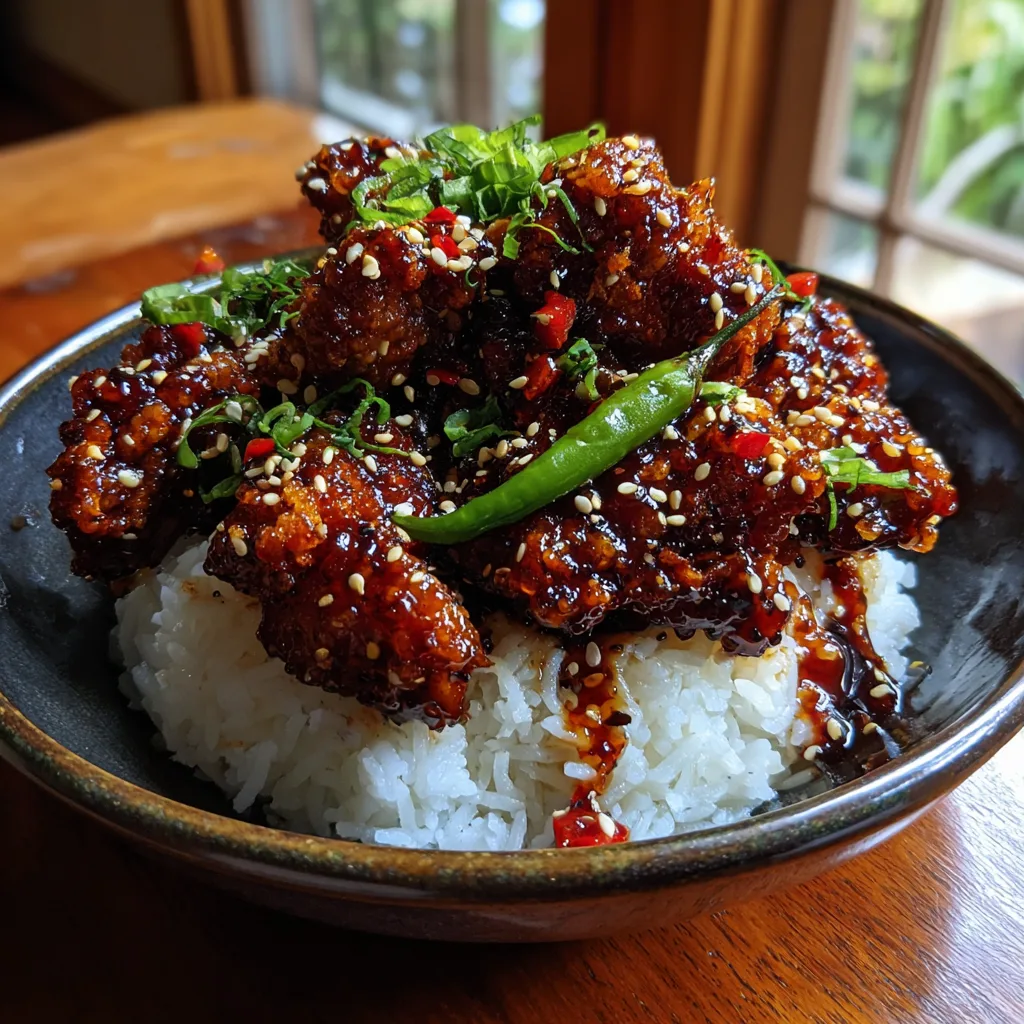
- Cashews (Optional): Many traditional Dragon Chicken recipes include fried cashew nuts for a buttery crunch, though the version pictured focuses on sesame seeds.
Step-by-Step Instructions
1. Prepare the Chicken Strips
Start by cutting your chicken into uniform strips, about 2 inches long and 1/2 inch thick. Uniformity is key here to ensure they cook at the same rate. Pat the chicken dry with paper towels before marinating; excess moisture prevents the batter from sticking.
2. The Marinade
In a mixing bowl, combine the chicken strips with soy sauce, black pepper, egg white, and ginger-garlic paste. Mix well. Then, add the cornstarch and all-purpose flour. Toss until every piece of chicken is coated in a sticky, wet batter. It shouldn’t be a thick dough; it should look like a thin, sticky coating.
3. The Fry (The Crunch Factor)
Heat oil in a wok or deep pan to 350°F (175°C). Carefully drop the chicken strips in one by one so they don’t clump together. Fry them in batches. Do not overcrowd the pan, or the oil temperature will drop, leading to greasy, soggy chicken.
Pro Tip: Fry until the chicken is pale golden and cooked through, then remove. Just before serving, flash-fry them again in hotter oil for 1 minute. This “double fry” technique drives out remaining moisture from the crust, ensuring it stays crispy in the sauce.
4. Making the Dragon Sauce
In a separate wok or large skillet, heat a tablespoon of oil. Add minced garlic, ginger, and dried red chilies. Sauté until fragrant—your kitchen should smell amazing at this point. Add sliced onions and bell peppers if you like veggies, stir-frying them on high heat so they retain their crunch.
Lower the heat and pour in your sauce mixture (chili paste, ketchup, soy sauce, vinegar, sugar). Let it bubble. If it’s too thick, add a splash of water. If it’s too thin, a cornstarch slurry (cornstarch mixed with water) will thicken it up instantly to that glossy consistency.
5. The Final Toss
This step must happen immediately before serving. Toss the crispy fried chicken into the bubbling sauce. Stir vigorously to coat every nook and cranny. The sauce should glaze the chicken, not drown it in soup.
6. Garnish
Turn off the heat. Sprinkle generously with toasted sesame seeds and chopped green onions. The green onions add a fresh, sharp bite that cuts through the sweet and spicy sauce.
Expert Tips for Success
Control the Heat: If you are sensitive to spice, reduce the red chili paste and increase the ketchup slightly. If you want true “dragon” fire, add fresh chopped bird’s eye chilies along with the garlic in the beginning.
The “Gloss” Secret: Have you ever wondered why restaurant food looks so shiny? It is often finished with a tiny splash of oil (sesame oil is perfect here) right at the end of cooking. This prevents the sauce from looking dull and adds a lovely aroma.
Prep Ahead: You can fry the chicken ahead of time and store it. You can also mix the sauce ingredients in a jar. When ready to eat, just re-fry the chicken to crisp it up, heat the sauce, and combine. This makes it an excellent option for parties.
Serving Suggestions
Spicy Dragon Chicken is bold, so it pairs best with neutral sides that can soak up the flavor.
- Steamed White Rice: The classic choice. The fluffiness of Jasmine or Basmati rice balances the sticky, crunchy chicken.
- Fried Rice: For a full Indo-Chinese feast, pair this with egg fried rice or vegetable Hakka noodles.
- Lettuce Wraps: For a lower-carb option, serve the chicken inside crisp butter lettuce leaves.
Common Mistakes to Avoid
Overcrowding the Oil: As mentioned before, adding too much chicken at once lowers the oil temp. The batter will absorb oil instead of crisping up.
Saucing Too Early: Never toss the chicken in the sauce until your table is set and your family is ready to eat. If it sits for 20 minutes, the vinegar and liquid in the sauce will soften that beautiful crust you worked so hard for.
Burning the Garlic: Garlic burns very quickly. Have your sauce ingredients measured and ready to go before you start sautéing the aromatics so you can pour them in immediately once the garlic is golden.
Conclusion
Making Spicy Dragon Chicken at home is incredibly rewarding. It is a dish that looks and tastes like professional chef work, yet comes together with standard kitchen tools and ingredients. The interplay of textures—the crunch of the coating, the tenderness of the meat, and the sticky gloss of the sauce—creates a bite that is truly unforgettable.
So, put down the takeout menu. Grab your wok, heat up that oil, and get ready to create a meal that is fiery, sweet, savory, and absolutely delicious. Your kitchen is about to smell better than your favorite restaurant.
Spicy Dragon Chicken
Ingredients
Equipment
Method
- Cut chicken into thin strips. In a bowl, mix chicken with soy sauce, ginger-garlic paste, pepper, and egg white.
- Add cornstarch and flour to the chicken. Toss well to coat. If too dry, sprinkle a few drops of water.
- Heat oil in a deep pan. Fry chicken strips in batches until golden and crisp. Remove and drain on paper towels.
- In a wok, heat 2 tbsp oil. Add chopped garlic, ginger, and dried chilies (optional). Sauté for 1 minute.
- Add chili paste, ketchup, dark soy sauce, vinegar, and sugar. Mix well and let it bubble.
- Add the fried chicken to the sauce. Toss on high heat for 1 minute until well coated.
- Garnish with sesame seeds and green onions. Serve hot with steamed rice.