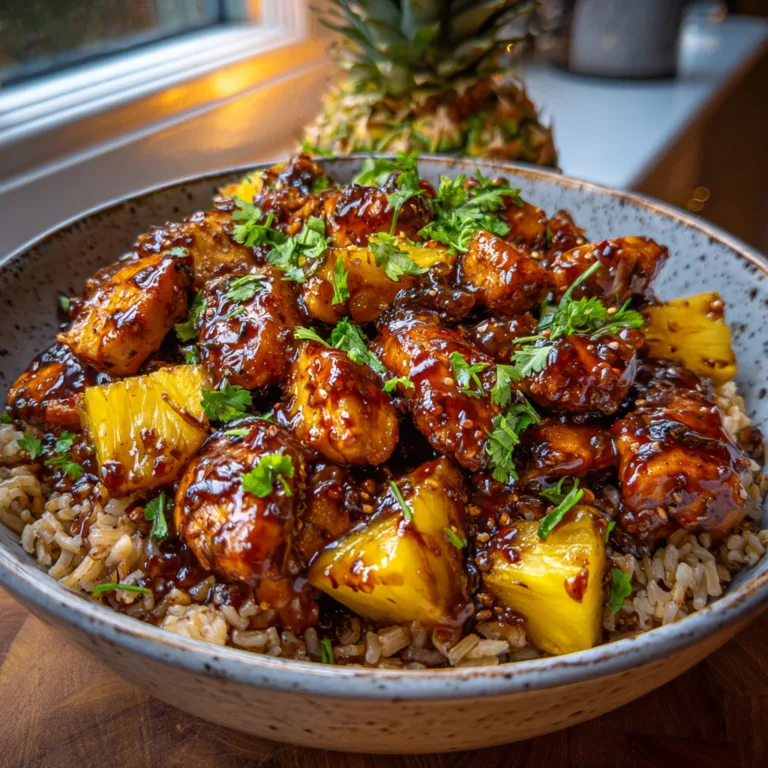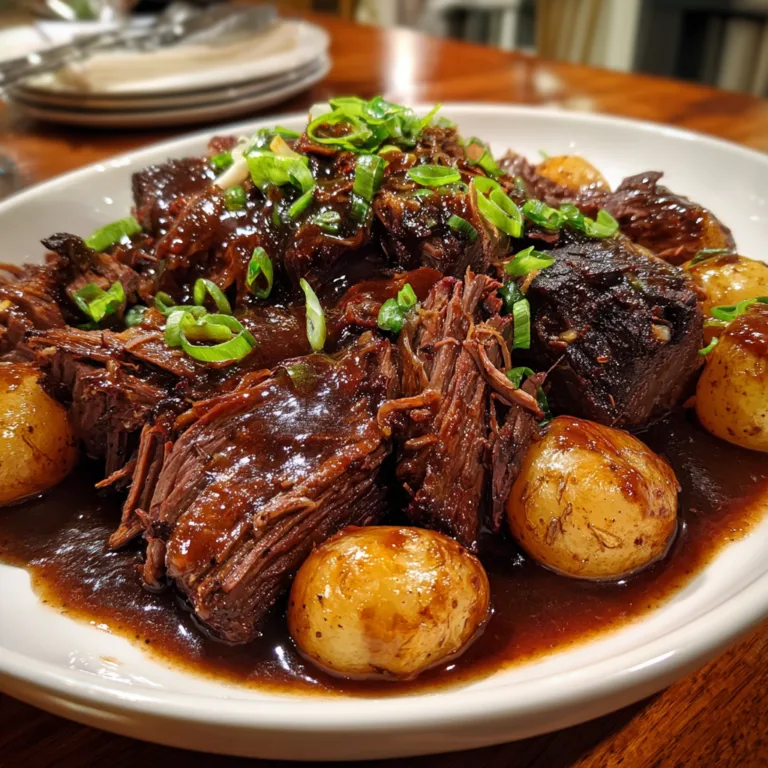
Salmon Sushi Bake
The Ultimate Creamy Salmon Sushi Bake
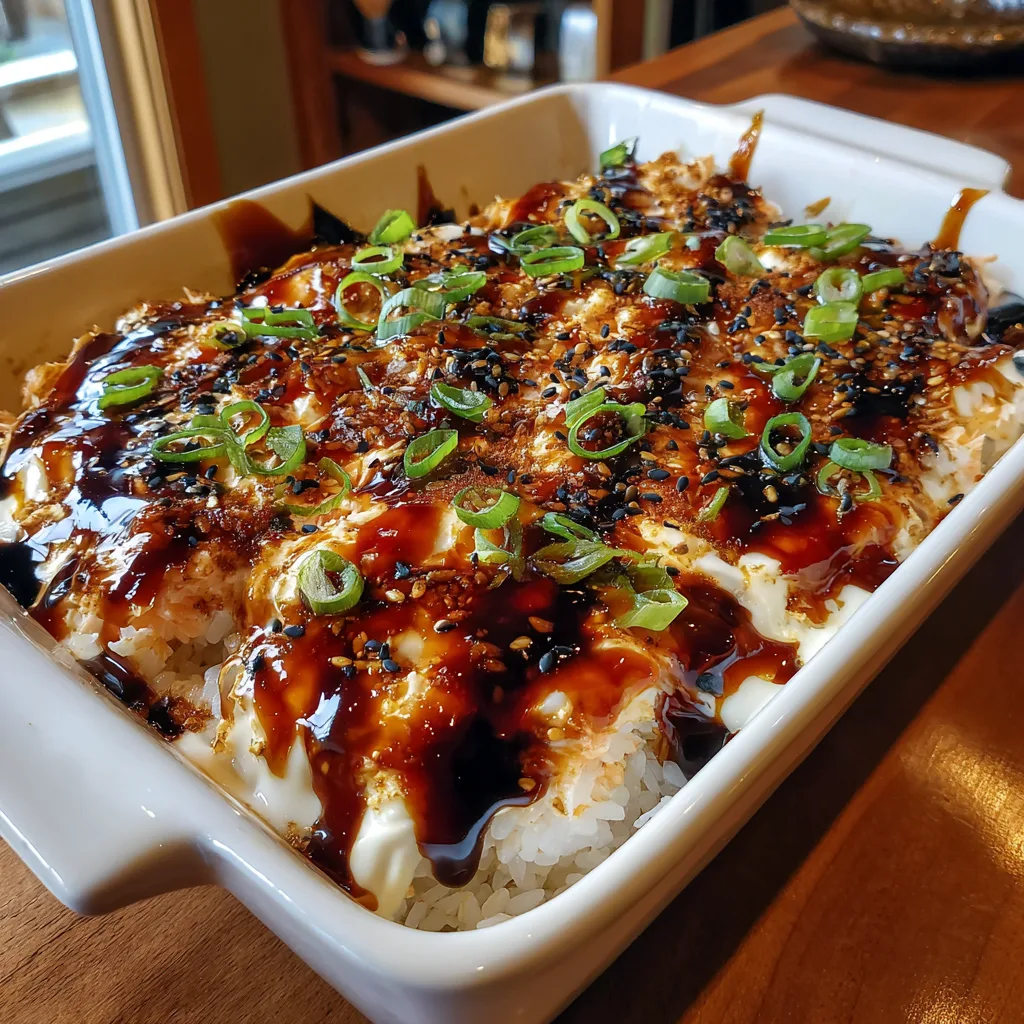
If you have been scrolling through social media lately, you have likely stopped in your tracks at the sight of the viral sensation known as the Salmon Sushi Bake. It is essentially a deconstructed sushi roll turned into a warm, comforting casserole. Imagine all the flavors of your favorite spicy salmon roll—creamy, savory, tangy, and sweet—layered over perfectly seasoned sushi rice and baked until bubbly and golden. It is the perfect family dinner, potluck showstopper, or “fakeout” takeout meal that comes together in less than an hour.
This dish takes the intimidation factor out of making sushi at home. There is no rolling, no bamboo mats, and no raw fish required if you don’t want to use it. Instead, we use cooked salmon, mix it with creamy elements like Kewpie mayo and cream cheese, and layer it over rice seasoned with furikake. The result is a scoopable, shareable feast that you wrap in crispy roasted seaweed sheets (nori) for the perfect bite. It is interactive, fun, and absolutely incredibly delicious.
In this comprehensive guide, we will walk you through exactly how to make the best Salmon Sushi Bake of your life. We will cover the ingredients, the layering technique, and the secret sauces that give it that “wet and glistening” appetizing look. Whether you are a seasoned home cook or a beginner, this recipe is fail-proof and guaranteed to satisfy those sushi cravings.
Why You Will Love This Recipe
- Budget-Friendly: Sushi takeout for a family of four can easily cost over $100. This casserole feeds a crowd for a fraction of the price.
- No Raw Fish: Since the salmon is baked, this is a great option for those who are hesitant about raw sushi or for pregnant women craving sushi flavors safely.
- Great for Leftovers: Unlike traditional sushi rolls which get hard and unappetizing in the fridge, a sushi bake reheats wonderfully for lunch the next day.
- Customizable: You can easily swap the protein for canned tuna, imitation crab, shrimp, or even tofu to suit your dietary preferences.
Ingredients
To achieve that authentic sushi taste, sourcing the right ingredients is key. Most of these can be found in the Asian aisle of your local grocery store.
For the Sushi Rice Base
- Sushi Rice – Short-grain white rice is essential. It is sticky and holds its shape. Long-grain rice will fall apart and won’t give you the right texture.
- Rice Vinegar – This adds that classic tang to the rice.
- Sugar – Balances the acidity of the vinegar.
- Salt – Enhances the flavor of the rice.
- Furikake Seasoning – A Japanese rice seasoning usually containing dried seaweed, sesame seeds, sugar, and salt. This is the secret flavor booster!
For the Salmon Mixture
- Salmon Fillets – You can use fresh salmon that you bake or pan-sear first, or even high-quality canned salmon for a quick pantry version.
- Imitation Crab (Surimi) – Optional, but adding shredded crab meat adds a sweetness and texture reminiscent of a California roll.
- Cream Cheese – Softened to room temperature. This acts as the binder and makes the topping ultra-creamy.
- Japanese Mayonnaise (Kewpie) – This is richer and sweeter than American mayo, made with egg yolks. It is non-negotiable for the best flavor!
- Sriracha – Adds the heat. Adjust the amount based on your spice tolerance.
- Soy Sauce – Just a splash for umami depth.
For the Toppings & Garnish
- Spicy Mayo – A mix of Kewpie mayo and Sriracha to drizzle on top.
- Unagi Sauce (Eel Sauce) – A thick, sweet, and savory brown sauce. You can buy this bottled or make a quick glaze with soy sauce and sugar.
- Scallions (Green Onions) – Thinly sliced for a fresh crunch and color contrast.
- Sesame Seeds – Roasted white and black sesame seeds for a nutty finish.
- Roasted Seaweed Snacks (Nori) – Small rectangular sheets for serving.
- Avocado & Cucumber – Optional fresh slices to serve on the side.
Instructions
Follow these step-by-step instructions to assemble your masterpiece.
Step 1: Prepare the Rice
- Rinse 3 cups of sushi rice under cold water until the water runs clear. This removes excess starch.
- Cook the rice according to the package instructions (usually a 1:1 ratio of water to rice) in a rice cooker or on the stove.
- While the rice is hot, transfer it to a large bowl. Mix in 1/4 cup rice vinegar, 1 tablespoon sugar, and 1 teaspoon salt. Fold gently so you don’t mash the grains. Set aside to cool slightly.
Step 2: Prepare the Salmon
- Preheat your oven to 400°F (200°C).
- Season your salmon fillets with salt and pepper. Bake on a foil-lined sheet for about 12-15 minutes until fully cooked.
- Once cooked, flake the salmon into bite-sized pieces using a fork, discarding the skin.
- If using imitation crab, shred it or chop it into small pieces.
Step 3: Make the Creamy Mixture
- In a large mixing bowl, combine the flaked salmon, shredded crab, 8 oz softened cream cheese, and 1/2 cup Japanese mayonnaise.
- Add 1-2 tablespoons of Sriracha (depending on heat preference) and a teaspoon of soy sauce.
- Mix everything until well combined and creamy. It should look like a thick, rich salad.
Step 4: Layer the Casserole
- Grease a 9×13 inch baking dish lightly.
- Press the seasoned sushi rice evenly into the bottom of the dish. You can wet your hands with water to prevent sticking.
- Generously sprinkle a layer of Furikake seasoning over the rice. This adds a crucial layer of flavor between the bland rice and the rich topping.
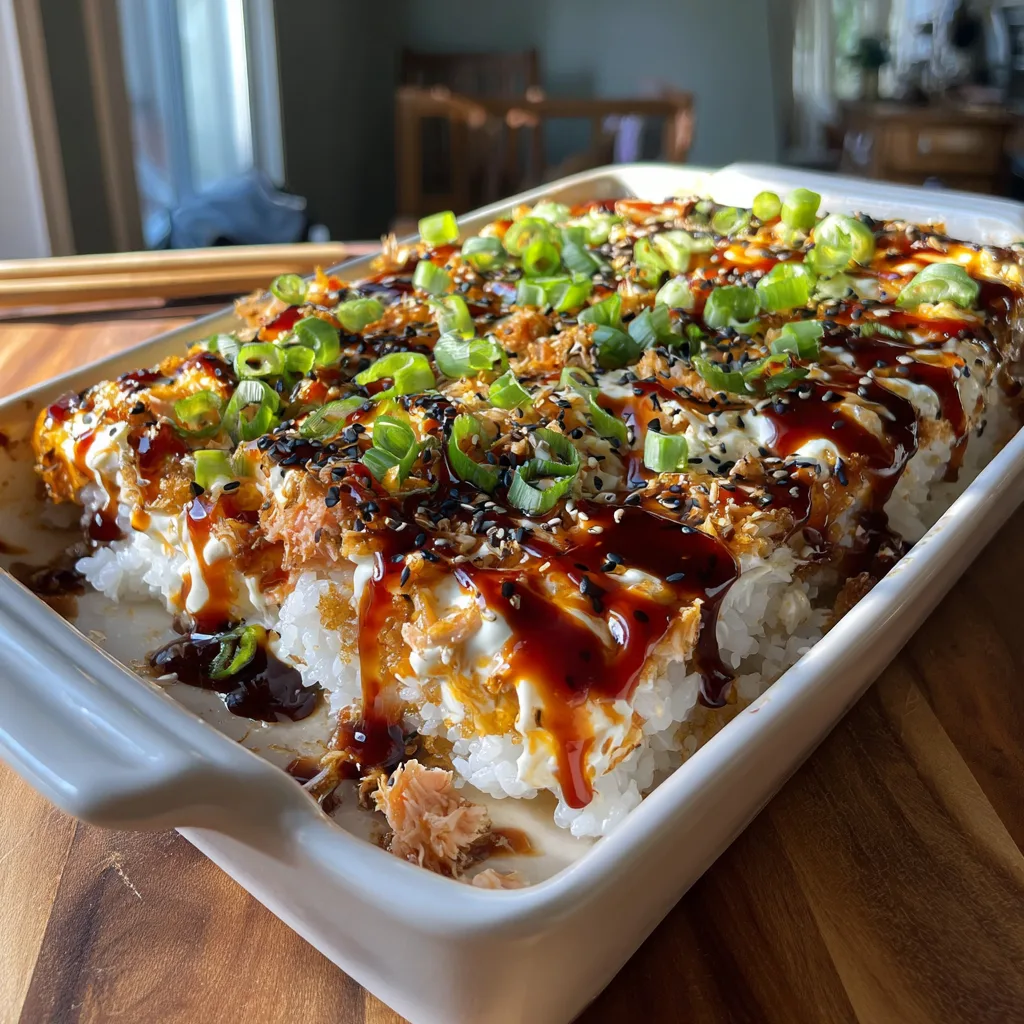
- Spread the creamy salmon mixture evenly over the rice layer. Smooth it out with a spatula.
Step 5: Bake and Broil
- Place the dish in the oven and bake at 400°F (200°C) for 10-15 minutes, or until the top is warmed through and starting to bubble.
- Switch the oven to “Broil” (High) for 2-3 minutes. Watch closely! You want the top to get slightly golden and caramelized spots, but not burn.
Step 6: Garnish and Serve
- Remove from the oven. Immediately drizzle with extra spicy mayo and unagi sauce in a zigzag pattern for that glossy, professional look.
- Sprinkle generously with more Furikake, toasted sesame seeds, and fresh sliced green onions.
- Serve warm with a side of roasted seaweed snacks, avocado slices, and cucumber.
How to Serve and Eat
The fun part of a Sushi Bake is how you eat it! It is meant to be a communal, interactive meal.
Place the hot casserole dish in the center of the table (on a trivet, of course). Set out small bowls of roasted seaweed snacks (the small rectangular kind), sliced avocado, and cucumber sticks.
To eat, spoon a portion of the warm rice and salmon mixture onto a small sheet of seaweed. Top with a slice of avocado or cucumber if desired, wrap it up like a little taco, and pop it in your mouth! The contrast between the hot, creamy filling and the crisp, cool seaweed is texture heaven.
Tips for Success
Don’t Skip the Furikake:
This seasoning is the bridge between the rice and the fish. Without it, the dish can feel a bit disconnected. If you can’t find it, you can make a simple version by crumbling nori sheets and mixing them with sesame seeds, sugar, and salt.
Use Japanese Mayo:
We cannot stress this enough—regular mayonnaise will not taste the same. Kewpie mayo has a distinct umami flavor because it uses only egg yolks and a blend of vinegars. It is the gold standard for sushi sauces.
Rice Texture Matters:
Avoid using “minute rice” or standard long-grain rice. You need the starchiness of short-grain or Calrose rice to hold the “sushi” feel. If the rice is too dry, the casserole falls apart.
Customize the Heat:
If you are sensitive to spice, omit the Sriracha from the salmon mixture and only use it as a drizzle on top for those who want it. Alternatively, use a sweet chili sauce for a different flavor profile.
Variations to Try
Once you have mastered the classic Salmon Sushi Bake, try these delicious twists:
- California Roll Bake: Omit the salmon and double the imitation crab. Add plenty of cucumber and avocado on the side.
- Spicy Tuna Bake: Use drained canned tuna or cooked fresh tuna steaks instead of salmon. Add extra chili oil for a kick.
- Shrimp Tempura Bake: Chop up cooked shrimp (or even popcorn shrimp for crunch) and mix into the creamy topping.
- Vegetarian Sushi Bake: Swap the fish for chopped roasted sweet potato, tofu, or mushrooms mixed with the creamy sauce.
Frequently Asked Questions
Can I make this ahead of time?
Yes! You can assemble the entire dish (rice and topping layers), cover it with foil, and refrigerate it for up to 24 hours. When ready to eat, just pop it in the oven. You may need to add 5-10 minutes to the baking time since it is starting from cold.
How do I store leftovers?
Store leftovers in an airtight container in the refrigerator for up to 3 days. Reheat in the microwave or oven until hot. Note that the oil may separate slightly upon reheating—just give it a little stir.
Is this dish gluten-free?
It can easily be made gluten-free! Ensure you use gluten-free soy sauce (Tamari) and check the labels on your imitation crab (which often contains wheat) and Furikake. If needed, use real crab meat or just salmon.
This Salmon Sushi Bake is more than just a trend; it is a modern classic that brings the joy of sushi night into your home kitchen with zero stress. It is creamy, savory, spicy, and utterly addictive. Gather your friends, grab some seaweed snacks, and dig in!
Viral Salmon Sushi Bake
Ingredients
Equipment
Method
- Preheat oven to 400°F (200°C).
- Season the cooked rice with rice vinegar and sugar. Press firmly into the bottom of a greased 9×13 baking dish.
- Sprinkle an even layer of furikake seasoning over the pressed rice.
- In a medium bowl, mix the cooked flaked salmon, shredded crab, cream cheese, Japanese mayo, and Sriracha until creamy.
- Spread the salmon mixture evenly over the rice layer.
- Bake for 10-15 minutes until heated through. Optional: Broil for 2 minutes to brown the top.
- Remove from oven. Drizzle with unagi sauce and extra spicy mayo.
- Garnish with green onions and sesame seeds.
- Serve warm with roasted seaweed sheets for wrapping.