Parmesan Vinaigrette
The Ultimate Homemade Parmesan Vinaigrette: A Golden, Flavor-Packed Dressing
Welcome to your new favorite kitchen staple. If you have ever felt underwhelmed by a lackluster salad or felt that your roasted vegetables were missing a certain spark, the solution is likely sitting right in your pantry and fridge. This homemade Parmesan Vinaigrette is an absolute revelation. It is a masterclass in balancing acidity, richness, and savory umami flavors. Bursting with the robust nuttiness of real Parmesan cheese, the zesty tang of high-quality vinegar, and the fiery little kicks of red pepper flakes and black pepper, this dressing will transform how you view healthy eating.
In today’s fast-paced world, it is incredibly easy to rely on store-bought conveniences. However, once you discover the simplicity and superior taste of whisking together your own dressings at home, you will never look back. This comprehensive guide will take you through everything you need to know about crafting the perfect Parmesan Vinaigrette, from selecting the finest ingredients to mastering the delicate art of emulsion, and exploring the myriad of ways you can use this liquid gold in your daily cooking.
The Dilemma of Store-Bought Dressings
Take a stroll down the condiment aisle of any standard grocery store, and you are met with an overwhelming wall of salad dressings. While convenient, these bottled options often come with a hidden cost—both to your wallet and your health. Most commercial vinaigrettes are laden with artificial preservatives to extend their shelf life to unnatural lengths. They frequently utilize lower-grade, highly refined oils like soybean or canola oil, rather than heart-healthy extra virgin olive oil.
Furthermore, to compensate for a lack of fresh, quality ingredients, store-bought dressings are often pumped full of excess sodium, high fructose corn syrup, and artificial flavorings. That “Parmesan” flavor you taste in a bottled Italian dressing is rarely derived from actual, aged cheese. It is usually a processed cheese powder enhanced with chemical flavorings.
By taking just five minutes to create this Parmesan Vinaigrette in your own kitchen, you reclaim total control over what goes into your body. You control the quality of the oil, the sharpness of the vinegar, and the salt levels. Most importantly, you unlock a depth of fresh, vibrant flavor that simply cannot be replicated in a commercial factory and left to sit on a shelf for months.
Deconstructing the Flavor Profile
What makes this specific Parmesan Vinaigrette so incredibly addictive? It all comes down to culinary science and the balancing of the fundamental taste categories: fat, acid, salt, and heat.
Fat: Extra virgin olive oil provides a luxurious, velvety mouthfeel. It coats the palate and carries the fat-soluble flavor compounds from the herbs and spices. The Parmesan cheese also contributes its own unique dairy fat, adding a layer of creamy richness that a standard vinaigrette lacks.
Acid: White wine vinegar (or freshly squeezed lemon juice, if you prefer) cuts directly through the heavy richness of the oil and cheese. This acidity brightens the entire flavor profile, making the dressing feel light and refreshing rather than cloying or greasy. It acts as a palate cleanser with every bite.
Salt/Umami: This is where the Parmesan truly shines. Real, aged Parmesan is packed with natural glutamates—the amino acids responsible for the “umami” or savory taste. It provides a deep, satisfying saltiness that standard table salt cannot achieve on its own. A touch of kosher salt is added merely to enhance the cheese’s natural savory notes.
Heat and Spice: Freshly cracked black pepper offers a sharp, aromatic bite, while the crushed red pepper flakes bring a subtle, lingering warmth to the back of the throat. Fresh garlic adds a pungent, spicy earthiness that grounds the dressing and gives it a distinctly Italian-inspired character.
A Deep Dive into the Ingredients
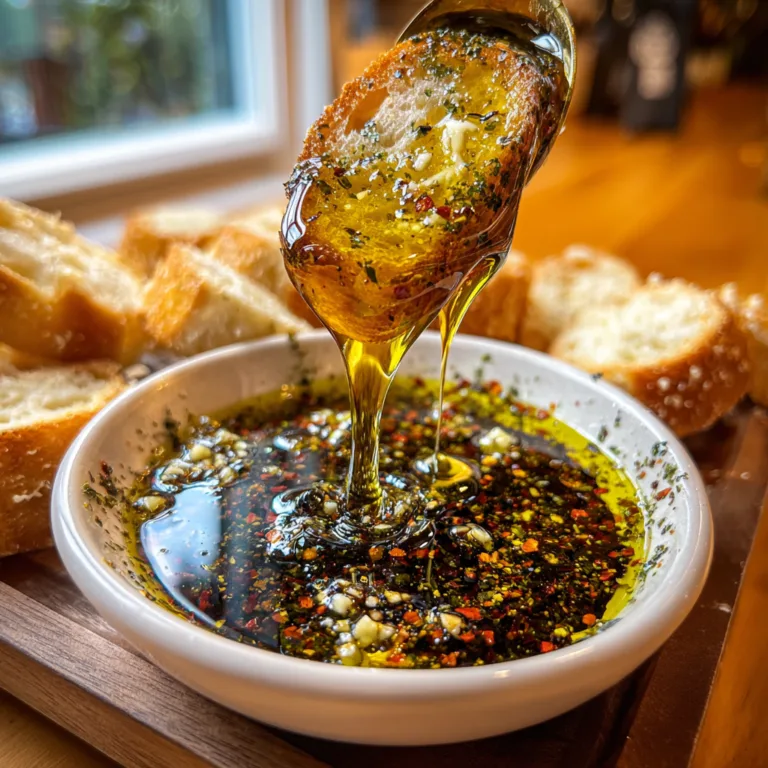
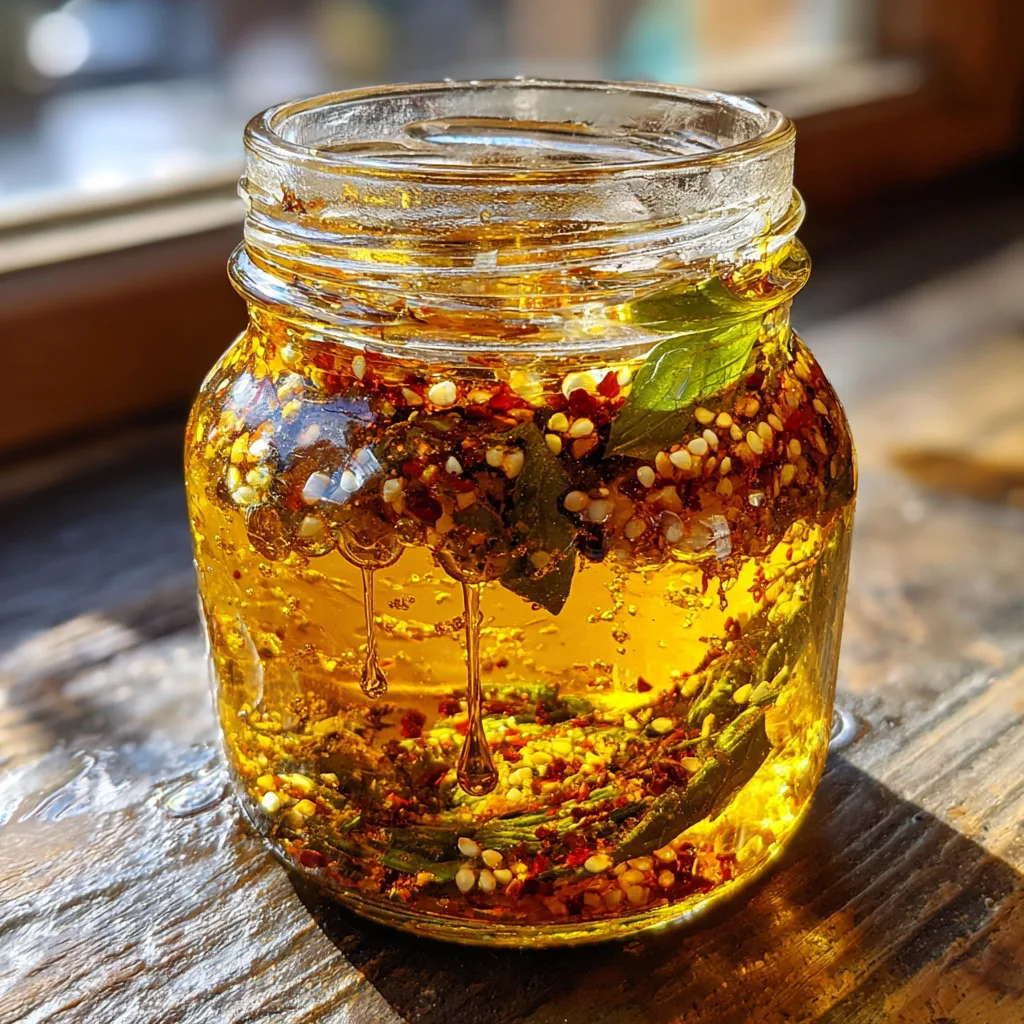
To achieve the ultimate glossy, flavor-packed dressing depicted in the highest quality culinary standards, you must start with excellent building blocks. Here is a detailed breakdown of exactly what you need:
- Extra Virgin Olive Oil (1/2 cup): Do not compromise here. Because this dressing is not cooked, the raw flavor of the oil is front and center. Look for a high-quality, cold-pressed extra virgin olive oil. It should have a fruity, slightly peppery finish. The better the oil, the more luxurious the vinaigrette will taste.
- White Wine Vinegar (1/4 cup): This is the traditional acid of choice for a sophisticated Italian-style dressing. It is crisp, slightly fruity, and less aggressive than distilled white vinegar. Variation: If you prefer a brighter, citrusy note, you can substitute this entirely with freshly squeezed lemon juice, or do a 50/50 split of vinegar and lemon juice.
- Freshly Grated Parmesan Cheese (1/3 cup): The star of the show. Please, for the love of culinary excellence, avoid the pre-grated cheese in the plastic shaker cans. Those products are coated in anti-caking agents (like cellulose) which will prevent your dressing from emulsifying properly and leave a gritty texture. Buy a block of real Parmigiano-Reggiano or a high-quality domestic Parmesan and grate it yourself using a microplane or the fine side of a box grater. The tiny, fresh shreds will melt into the oil and vinegar, creating a magnificent texture.
- Garlic (1-2 cloves, minced): Fresh garlic is essential. Mince it as finely as humanly possible, or better yet, crush it into a paste using the side of your knife and a pinch of coarse salt. This ensures the garlic flavor distributes evenly throughout the dressing without anyone biting into a harsh, raw chunk.
- Dijon Mustard (1 teaspoon): This is the secret ingredient! While it adds a lovely subtle tang, its primary purpose in this recipe is functional, not flavor-based. Mustard acts as a natural emulsifier. It helps bind the oil and vinegar together so they don’t immediately separate into distinct layers.
- Crushed Red Pepper Flakes (1/4 teaspoon): For that beautiful visual pop of red and a gentle, warming heat. Adjust this to your personal spice preference.
- Black Pepper (1/2 teaspoon): Freshly cracked is mandatory. Pre-ground pepper loses its volatile oils quickly and tastes like dust. Freshly cracked pepper provides sharp, floral notes.
- Salt (1/2 teaspoon): Kosher salt or flaky sea salt works best. Remember that Parmesan is naturally quite salty, so add the salt cautiously. You can always add more at the end after tasting.
- Honey or Maple Syrup (Optional, 1/2 teaspoon): If you find the acidity of the vinegar too sharp, a tiny drop of sweetness can instantly balance out the harshness without making the dressing taste sweet.
Equipment Needed
You do not need a food processor or a blender for this recipe, though you can use them if you want a completely smooth, creamy texture. The beauty of this rustic vinaigrette is its simplicity. You will need:
- A glass mason jar with a tight-fitting lid (the absolute easiest way to mix).
- Alternatively, a mixing bowl and a sturdy wire whisk.
- A microplane or fine cheese grater.
- Measuring cups and spoons.
Step-by-Step Instructions
Making this dressing is quite literally as easy as tossing everything into a container and agitating it. However, following a specific order ensures the best possible texture.
Step 1: Prep the Aromatics. Begin by finely mincing your fresh garlic clove. If you want a milder garlic flavor, you can let the minced garlic sit in the white wine vinegar for 5 minutes before adding the other ingredients. The acid mellows the sharp, raw bite of the allium.
Step 2: Grate the Cheese. Using your microplane, grate the Parmesan cheese until you have a fluffy mound measuring about 1/3 cup. It should look like light snowfall. The finer the grate, the better it incorporates.
Step 3: Combine the Base. If using a mason jar, add the vinegar, minced garlic, Dijon mustard, grated Parmesan, red pepper flakes, black pepper, and salt into the jar first. Do not add the oil just yet.
Step 4: Emulsify. Now, pour the extra virgin olive oil into the jar. Secure the lid tightly. Now, shake vigorously! Shake it as hard as you can for about 15 to 20 seconds. You will see the clear oil and vinegar miraculously transform into a cloudy, suspended, golden emulsion, speckled with herbs and cheese.
If using a bowl: Whisk the vinegar, mustard, and spices together first. Then, while whisking constantly, slowly drizzle the olive oil into the bowl in a thin, steady stream. Whisk until the mixture thickens and emulsifies, then fold in the grated Parmesan.
Step 5: Taste and Adjust. Dip a leaf of lettuce (not your finger!) into the dressing to taste it. Does it need more acid? Add a splash of vinegar. More salt? Add a pinch. Too sharp? Add a tiny drop of honey. Let it sit for 10 minutes before serving to allow the flavors to marry.
The Science of the Perfect Emulsion
Oil and vinegar are enemies; they naturally want to repel each other. When you vigorously shake or whisk them, you are breaking the oil down into millions of microscopic droplets and dispersing them throughout the vinegar. However, left alone, they will eventually separate again.
This is where our hero, Dijon mustard, steps in. Mustard contains natural emulsifiers (specifically, complex carbohydrates called mucilage). These emulsifier molecules have two ends: one end loves water (hydrophilic) and the other end loves oil (lipophilic). The mustard physically holds the oil droplets and vinegar droplets together, stabilizing the mixture and giving your vinaigrette that gorgeous, creamy, thick texture that coats greens perfectly instead of running right to the bottom of the bowl.
Versatile Serving Suggestions: Beyond the Salad Bowl
Calling this merely a “salad dressing” is a disservice to its incredible versatility. While it is undeniably fantastic on a bed of greens, it is a culinary multi-tool. Here is how you can utilize your freshly made batch:
- The Ultimate Green Salad: Toss it with crisp Romaine lettuce, homemade croutons, and extra shaved Parmesan for an elevated take on a Caesar-style salad. It is also phenomenal massaged into tough kale leaves or lightly drizzled over peppery arugula.
- A Magnificent Marinade: The oil, acid, and salt make this a perfect tenderizing marinade for proteins. Pour it over raw chicken breasts, pork chops, or flank steak, let it marinate for 2 to 4 hours in the fridge, and then grill. The cheese caramelizes beautifully on the grill grates.
- Pasta Salad Perfection: Ditch the heavy mayonnaise-based pasta salads. Toss warm cooked rotini or penne pasta with this vinaigrette, cherry tomatoes, fresh mozzarella pearls, olives, and diced salami for a vibrant Italian pasta salad.
- Roasted Vegetables: Before tossing vegetables like broccoli, cauliflower, Brussels sprouts, or asparagus into the oven, coat them lightly in this dressing. The flavors intensify in the heat, creating irresistibly savory, crispy veggies.
- Sandwich Upgrade: Skip the standard mayo or mustard. Drizzle this heavily over an Italian sub sandwich packed with prosciutto, salami, provolone, and shredded iceberg lettuce. It provides that authentic deli “wetness” and tang.
Proper Storage and Shelf Life
Because this dressing contains fresh ingredients like raw garlic and real dairy (cheese), it must be stored in the refrigerator. Keep it in your sealed glass mason jar or an airtight container.
Shelf Life: The vinaigrette will stay fresh and flavorful in the refrigerator for up to 1 week.
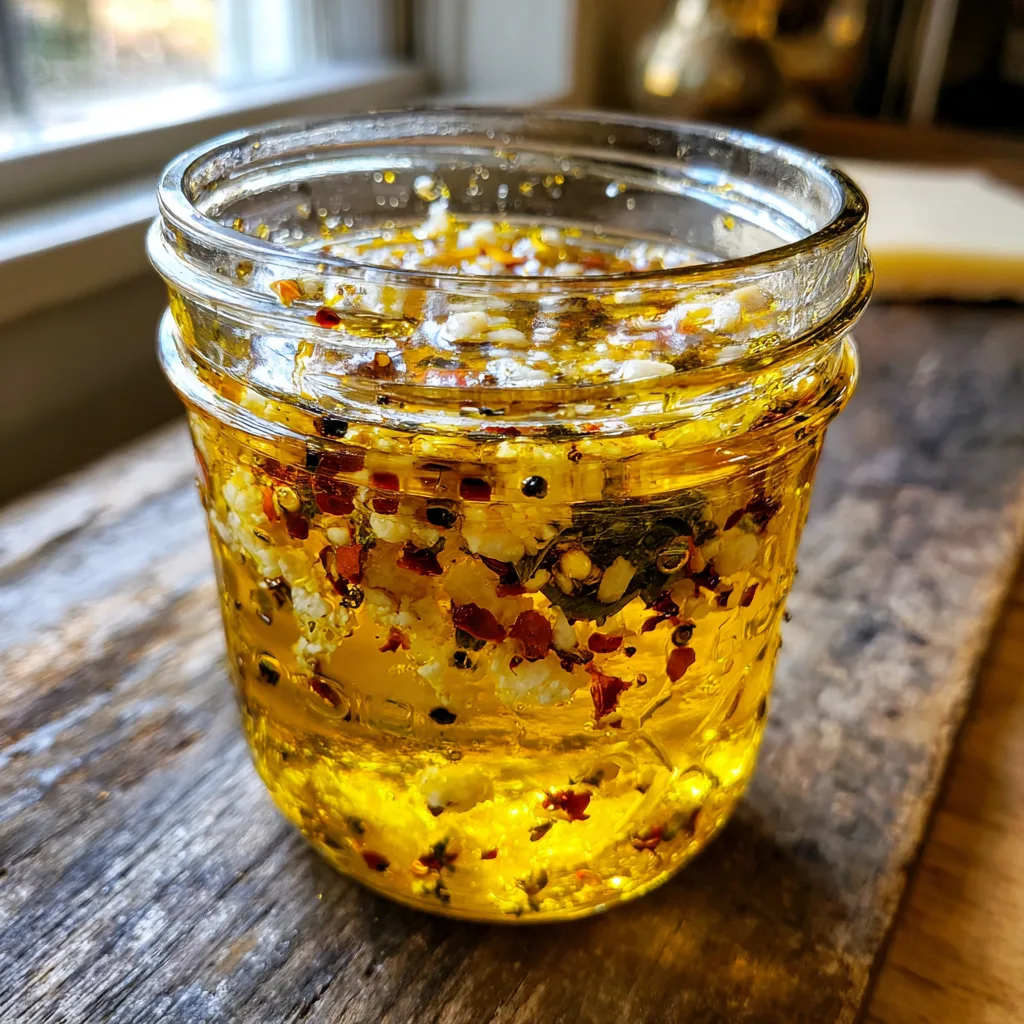
The Solidification Factor: When you store high-quality extra virgin olive oil in the fridge, it will naturally solidify and turn cloudy. This is completely normal and actually a sign that you are using good oil! Do not panic if your dressing looks like a solid block of yellow butter the next day.
How to fix it: Simply pull the jar out of the fridge about 15 to 20 minutes before you plan to serve it, allowing it to come to room temperature. The oil will liquefy again. Give it a vigorous shake to re-emulsify the ingredients, and it is ready to pour.
Frequently Asked Questions (FAQs)
Can I make this dairy-free or vegan?
Yes, you can adapt it! To mimic the salty, umami flavor of the Parmesan, you can substitute it with an equal amount of nutritional yeast. It won’t have the exact same texture, but it will provide that deep, cheesy flavor profile.
My dressing separated very quickly. What did I do wrong?
Usually, this means the oil was added too quickly (if whisking) or it wasn’t agitated hard enough (if shaking in a jar). It can also happen if you omitted the Dijon mustard. Just add a tiny bit more mustard and shake vigorously again.
Can I use pre-grated Parmesan cheese?
As mentioned in the ingredient deep dive, it is highly discouraged. Pre-grated cheese contains anti-caking agents that ruin the texture of the dressing. For the glossy, perfect results, buy a block and grate it fresh.
Is this dressing keto-friendly?
Absolutely. Extra virgin olive oil and Parmesan cheese are excellent sources of fat, and vinegar contains virtually zero carbs. As long as you do not add the optional honey or maple syrup, this dressing is perfectly suited for a ketogenic diet.
Conclusion
This Parmesan Vinaigrette is proof that the most extraordinary flavors often come from the simplest, most honest ingredients. By combining rich olive oil, bright vinegar, and the savory depth of fresh Parmesan, you elevate an everyday side dish into a culinary event. Stop settling for uninspired, preservative-laden store-bought bottles. Embrace the art of the homemade vinaigrette, and watch how it transforms your salads, marinades, and roasted vegetables into dishes you will crave day after day. Grab your mason jar, start shaking, and enjoy the delicious results.
Parmesan Vinaigrette
Ingredients
Equipment
Method
- Finely mince or crush the garlic clove. Grate the Parmesan cheese using a fine grater or microplane.
- In a glass mason jar or tight-sealing container, combine the white wine vinegar, grated Parmesan, minced garlic, Dijon mustard, kosher salt, black pepper, and red pepper flakes.
- Pour the extra virgin olive oil into the jar on top of the other ingredients.
- Secure the lid tightly on the jar. Shake vigorously for 15-20 seconds until the dressing is fully emulsified, cloudy, and slightly thickened.
- Taste by dipping a piece of lettuce into the dressing. Adjust salt, pepper, or acid if needed. Serve immediately over fresh greens or store in the refrigerator.