Lobster Scallop Chowder Bliss
The Ultimate Lobster and Scallop Chowder Bliss: A Luxurious Seafood Experience
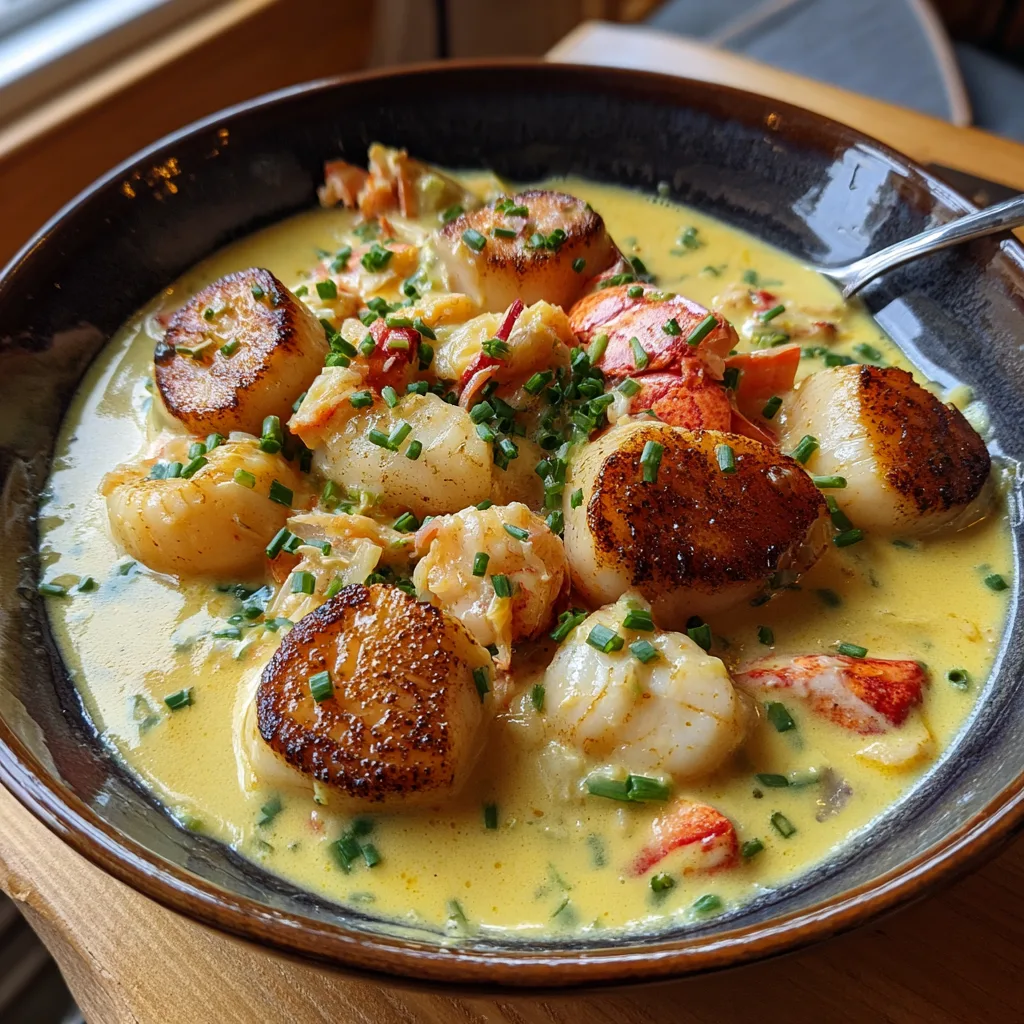
When it comes to comfort food, few dishes can rival the rich, velvety embrace of a perfectly crafted seafood chowder. However, if you want to elevate this classic dish from a simple weeknight supper to a show-stopping culinary masterpiece, this Lobster and Scallop Chowder Bliss is exactly what you need. Combining the sweet, tender meat of premium lobster tails with the buttery, melt-in-your-mouth perfection of pan-seared sea scallops, this recipe is a celebration of the ocean’s finest offerings.
Whether you are planning an elegant dinner party, celebrating a special anniversary, hosting a holiday feast, or simply treating yourself to a bowl of pure indulgence on a chilly evening, this creamy, hearty, and intensely flavorful chowder delivers on every level. In this comprehensive guide, we will walk you through everything you need to know to create this restaurant-quality dish in the comfort of your own home kitchen. From selecting the freshest seafood to mastering the perfect sear, you are about to embark on a delicious journey.
Why This Seafood Chowder is Pure Luxury
What sets this particular chowder apart from standard clam or fish chowders is the deliberate choice of high-end ingredients and the careful layering of flavors. Traditional chowders rely heavily on potatoes and cream to carry the dish, but this recipe puts the seafood front and center. The broth itself is a complex symphony of flavors, built upon a foundation of aromatic vegetables, savory seafood stock, a hint of white wine, and rich heavy cream.
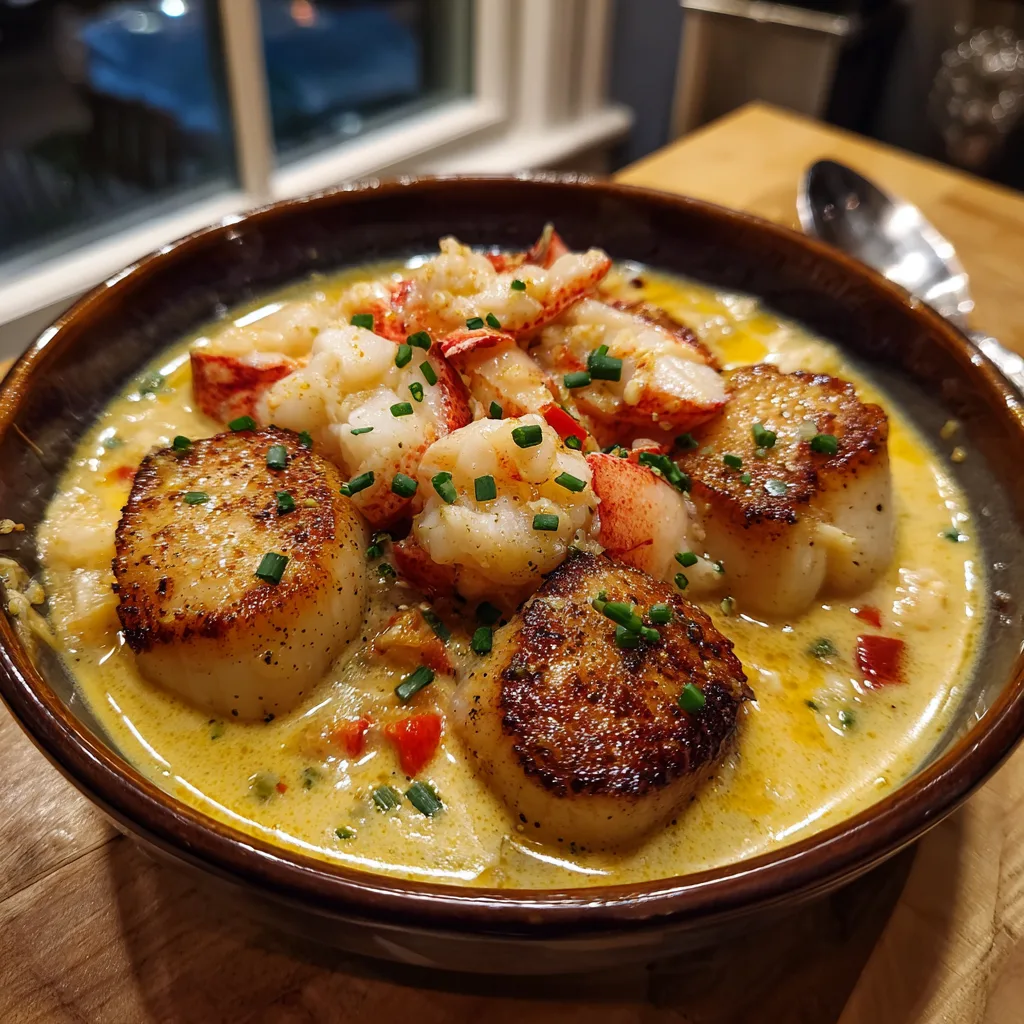
The lobster provides a sweet, delicate flavor and a satisfyingly meaty texture that contrasts beautifully with the tender, caramelized scallops. By searing the scallops separately and adding them at the very end, we ensure they retain their gorgeous golden crust and delicate texture, rather than boiling them into the soup. The addition of subtle herbs and a touch of warmth from spices like paprika or Old Bay seasoning elevates the broth, making each spoonful an unforgettable experience.
The Rich History of Seafood Chowder
To truly appreciate this luxurious bowl of chowder, it helps to understand its humble beginnings. The word “chowder” is widely believed to originate from the French word “chaudière,” which refers to the large, traditional iron cauldron or pot in which fishermen would cook their catch and stew. Centuries ago, when French and British fishermen settled along the coast of North America, particularly in regions like Nova Scotia, New Brunswick, and New England, they brought this communal cooking tradition with them.
Early chowders were born out of necessity. Fishermen would combine whatever seafood they had left unsold with hardtack (a hard biscuit used to thicken the broth), salt pork, onions, and water. Over time, as dairy became more accessible, milk and cream replaced the water, and potatoes replaced the hardtack, giving birth to the New England-style creamy chowder we know and love today.
While traditionalists might argue about the inclusion of tomatoes (the famous Manhattan style versus New England style debate), the evolution of chowder has allowed for incredible culinary creativity. Today, luxury chowders featuring premium ingredients like lobster, sea scallops, and saffron have found their way onto the menus of the world’s finest dining establishments. This recipe pays homage to that rich history while embracing modern gourmet techniques.
Understanding Your Ingredients
To achieve chowder bliss, the quality of your ingredients is paramount. Let’s break down the star components of this dish and why they matter.
The Seafood
Lobster: For this recipe, cold-water lobster tails (such as Maine lobster) are highly recommended. They are known for their sweeter flavor and firmer, more tender meat compared to warm-water varieties. You can purchase them fresh or frozen, but be sure to thaw frozen tails slowly in the refrigerator overnight. You can steam or boil the tails briefly before chopping them for the soup.
Sea Scallops: It is crucial to use “dry” sea scallops rather than “wet” scallops. Wet scallops are treated with a solution (STPP) that helps them retain water, which makes them nearly impossible to sear properly and can give them a slightly soapy taste. Dry scallops, on the other hand, are untreated, naturally sweet, and will develop a beautiful, caramelized crust when seared in a hot pan.
The Broth Base
Seafood Stock or Clam Juice: A high-quality stock is the backbone of your chowder. If you have the time and resources to make homemade lobster or shrimp stock using shells, it will take your chowder to the next level. Alternatively, a good quality store-bought seafood stock or clam juice works wonderfully.
Heavy Cream: This is not the time to skimp on calories. Heavy cream provides the luxurious, velvety texture that defines a great chowder. Using milk or half-and-half can result in a thinner soup and increases the risk of the dairy curdling when heated.
Aromatics and Vegetables: The classic mirepoix of onions and celery provides the aromatic foundation. Garlic adds depth, while potatoes—preferably waxy varieties like Yukon Gold—add body, texture, and a comforting starchiness that thickens the broth naturally. Corn kernels can also be added for a burst of sweetness and color.
Ingredients List
Gather the following ingredients to begin your culinary adventure:
- – 1 lb large dry sea scallops, side muscle removed
- – 2 large cold-water lobster tails (about 8-10 oz each)
- – 4 tablespoons unsalted butter, divided
- – 2 slices thick-cut bacon, finely diced
- – 1 large yellow onion, finely diced
- – 2 ribs celery, finely diced
- – 3 cloves garlic, minced
- – 1/4 cup dry white wine (like Pinot Grigio or Sauvignon Blanc)
- – 3 tablespoons all-purpose flour
- – 3 cups high-quality seafood stock or clam juice
- – 1.5 cups heavy cream, at room temperature
- – 1.5 lbs Yukon Gold potatoes, peeled and diced into 1/2-inch cubes
- – 1/2 cup sweet corn kernels (fresh or frozen)
- – 1 bay leaf
- – 1 teaspoon fresh thyme leaves
- – 1/2 teaspoon smoked paprika
- – Salt and freshly ground black pepper to taste
- – Fresh chives and parsley, finely chopped for garnish
- – Tiny diced red bell peppers for garnish (optional)
Step-by-Step Instructions
Follow these detailed steps to ensure a flawless execution of your Lobster and Scallop Chowder.
- Prepare the Lobster: Bring a large pot of salted water to a gentle boil. Drop the lobster tails into the water and cook for about 4-5 minutes, until the shells turn bright red. Remove the tails and plunge them into an ice bath to stop the cooking process. Once cooled, carefully cut the shells open using kitchen shears, remove the meat, and chop it into bite-sized chunks. Set aside in the refrigerator.
- Render the Bacon: In a large heavy-bottomed pot or Dutch oven, cook the diced bacon over medium heat until the fat has rendered and the bacon is crispy. Use a slotted spoon to remove the bacon bits and set them aside for garnish, leaving the flavorful bacon fat in the pot.
- Sauté the Aromatics: Add 2 tablespoons of butter to the pot with the bacon fat. Once melted, add the diced onions and celery. Sauté for about 5-7 minutes until the vegetables are softened and translucent. Add the minced garlic and cook for an additional 1 minute until fragrant.
- Deglaze and Thicken: Pour in the white wine to deglaze the pot, scraping up any browned bits from the bottom. Let the wine simmer until it has mostly reduced. Sprinkle the all-purpose flour over the vegetable mixture and stir constantly for 2 minutes to cook off the raw flour taste. This will create a roux that thickens the chowder.
- Build the Broth: Gradually whisk in the seafood stock, ensuring there are no lumps from the flour. Add the diced Yukon Gold potatoes, bay leaf, fresh thyme, and smoked paprika. Bring the mixture to a gentle boil, then reduce the heat to low, cover, and simmer for 15-20 minutes, or until the potatoes are fork-tender.
- Add the Cream and Lobster: Remove the bay leaf. Stir in the room-temperature heavy cream, sweet corn kernels, and the chopped lobster meat. Keep the heat on low—do not let the soup boil once the cream is added, or it may curdle. Let the chowder simmer gently for 5 minutes just to warm the lobster and corn through. Season generously with salt and freshly ground black pepper to taste.
- Sear the Scallops: While the chowder is finishing, pat the sea scallops completely dry with paper towels and season them with salt and pepper. Heat a large skillet over medium-high heat. Add the remaining 2 tablespoons of butter and a splash of olive oil (to prevent the butter from burning). Once the pan is screaming hot, add the scallops, ensuring they don’t touch. Sear for exactly 2 minutes on the first side until a deep golden-brown crust forms. Flip carefully and sear for 1 more minute on the other side. Remove from the pan immediately.
- Assemble and Serve: Ladle the hot, creamy lobster chowder into warm, shallow bowls. Gently place 2-3 pan-seared scallops into the center of each bowl. Garnish generously with fresh chives, parsley, crispy bacon bits, and tiny diced red bell peppers for a pop of color. Serve immediately with crusty bread.
Expert Tips for Success
To guarantee that your chowder turns out perfectly every single time, keep these professional kitchen tips in mind:
- Room Temperature Dairy: Always bring your heavy cream to room temperature before adding it to the hot broth. Adding cold cream to a hot pot increases the risk of it splitting or curdling, ruining the silky texture of your soup.
- The Scallop Sear: The secret to a restaurant-quality sear on scallops is absolute dryness. Moisture is the enemy of caramelization. Pat them down multiple times with paper towels. Furthermore, do not overcrowd the pan; if you add too many scallops at once, the pan’s temperature will drop, and the scallops will steam instead of sear.
- Do Not Overcook the Seafood: Seafood goes from tender to rubbery in a matter of seconds. The lobster is already par-cooked, so it only needs to be warmed gently in the chowder. The scallops are cooked separately and added at the end specifically to prevent overcooking.
- Thickening the Chowder: If you prefer a thicker chowder, you can mash a few of the tender potatoes against the side of the pot with a wooden spoon before adding the cream. The natural starches will thicken the broth beautifully.
Variations to Customize Your Chowder
While this recipe is a masterpiece as written, cooking is all about making a dish your own. Here are several ways you can customize this recipe to suit different tastes and dietary needs:
Dairy-Free Alternative: If you or your guests are lactose intolerant, you can create a remarkably creamy chowder using full-fat coconut milk or a high-quality oat milk creamer. Keep in mind that coconut milk will impart a slight coconut flavor, which pairs wonderfully with seafood, especially if you add a dash of curry powder.
Different Seafood: If lobster and scallops are out of budget or unavailable, this base recipe works wonders with other seafood. Firm white fish like halibut or cod, shrimp, crab meat, or fresh clams are all excellent substitutes. You can create a phenomenal mixed seafood chowder using whatever is freshest at your local fishmonger.
Spicy Kick: If you enjoy a bit of heat, consider adding a pinch of cayenne pepper, a dash of hot sauce, or substituting the smoked paprika for a spicy Cajun seasoning blend. Diced jalapeños sautéed with the onions also provide a wonderful, fresh heat.
The Manhattan Twist: If you prefer a tomato-based broth over a cream-based one, omit the heavy cream and flour. Instead, add a 28-ounce can of crushed tomatoes and an extra cup of seafood stock to the pot when you add the potatoes.
Serving Suggestions and Pairings
A chowder this spectacular deserves equally wonderful accompaniments. The richness of the soup means it pairs best with sides that offer texture and acidity to cut through the cream.
Bread: A warm, crusty baguette, sourdough boule, or traditional oyster crackers are essential for soaking up every last drop of the luxurious broth. Garlic bread or warm, buttery biscuits are also fantastic choices.
Salad: Serve a crisp, bright side salad to balance the heavy meal. A simple arugula salad with a sharp lemon vinaigrette, shaved parmesan, and toasted pine nuts provides the perfect peppery, acidic counterpoint to the creamy seafood.
Wine Pairings: When it comes to wine, you want something with enough acidity to cut through the rich butter and cream, but enough body to stand up to the meaty lobster and scallops. An unoaked or lightly oaked Chardonnay, a crisp Sauvignon Blanc, a dry Chenin Blanc, or a Viognier are all excellent choices. If you prefer beer, a light, citrusy wheat beer or a crisp pilsner works beautifully.
Storage, Freezing, and Reheating Instructions
Seafood chowder is arguably best enjoyed fresh, but leftovers can be safely stored if handled correctly.
Refrigeration: Allow the chowder to cool completely at room temperature (but do not leave it out for more than two hours). Transfer it to an airtight container and store it in the refrigerator for up to 3 days. Keep the seared scallops stored separately if possible, so they don’t become soggy.
Reheating: The most crucial rule for reheating dairy-based soups is to do it slowly over low heat on the stovetop. Never boil the chowder, as the cream will split, and the seafood will become tough and rubbery. Stir frequently until it is just heated through.
Freezing: It is generally not recommended to freeze cream-based soups with potatoes. The cream tends to separate and become grainy upon thawing, and the potatoes can turn mushy and mealy. If you must freeze it, try freezing the chowder base before adding the cream and the seafood. When you thaw and reheat the base, you can then add fresh cream, lobster, and freshly seared scallops.
Fun Facts and Cultural Context
Did you know that in 1939, a bill was introduced in the Maine legislature to make it illegal to add tomatoes to clam chowder? While it was mostly a humorous stunt to assert New England’s culinary superiority over Manhattan, it highlights just how passionately people feel about their chowder traditions!
Furthermore, the difference between a bisque and a chowder is often misunderstood. A traditional bisque is smooth and puréed, heavily relying on the shells of crustaceans (like lobster or crab) to flavor the stock, which is then thickened with rice and cream. A chowder, by contrast, is chunky, rustic, and features distinct pieces of seafood and vegetables—primarily potatoes.
Conclusion
Making this Lobster and Scallop Chowder Bliss at home is a deeply rewarding culinary endeavor. It requires a bit of technique, a selection of premium ingredients, and a lot of love, but the result is a bowl of soup that rivals anything you could order in a five-star restaurant. The contrast between the rich, velvety broth, the sweet, tender chunks of lobster, and the perfectly caramelized, savory scallops is truly a match made in culinary heaven.
So the next time you want to impress your guests, treat your family to something extraordinary, or simply celebrate the weekend with a luxurious meal, gather your ingredients, turn on some music, and spend an hour creating this unforgettable seafood masterpiece. Every spoonful will remind you why cooking from scratch is one of life’s greatest pleasures.
Lobster & Scallop Chowder Bliss
Ingredients
Equipment
Method
- Boil lobster tails for 4-5 minutes until bright red. Plunge in ice bath, remove meat from shells, chop into chunks, and set aside.
- In a large pot, cook diced bacon until crispy. Remove bacon bits and leave the rendered fat in the pot.
- Add 2 tablespoons of butter to the pot. Sauté onions and celery until softened (5-7 minutes). Add garlic and cook for 1 minute.
- Deglaze with white wine and reduce. Sprinkle in flour and stir constantly for 2 minutes to create a roux.
- Gradually whisk in seafood stock. Add potatoes, bay leaf, thyme, and paprika. Simmer covered for 15-20 minutes until potatoes are tender.
- Remove bay leaf. Reduce heat to low. Stir in room-temperature heavy cream, corn, and lobster chunks. Simmer gently for 5 minutes without boiling. Season with salt and pepper.
- Pat scallops dry and season. In a separate skillet, heat remaining 2 tablespoons butter and a splash of olive oil over medium-high heat. Sear scallops for 2 minutes on one side and 1 minute on the other.
- Ladle hot chowder into bowls, top with seared scallops, and garnish with fresh herbs and crispy bacon bits.