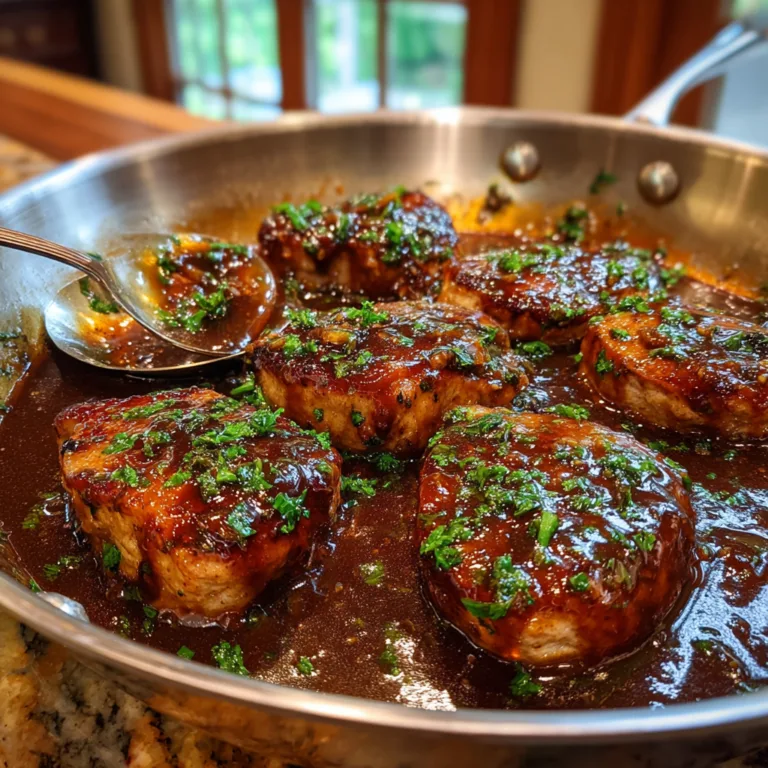
Lemon Pecorino Crusted Chicken
Lemon Pecorino Crusted Chicken With Creamy Lemon Sauce: A Weeknight Masterpiece
There are very few culinary combinations as universally beloved as crispy, pan-fried chicken and a rich, tangy pan sauce. When you are looking to elevate your standard chicken dinner from mundane to extraordinary, this Lemon Pecorino Crusted Chicken with Creamy Lemon Sauce is the ultimate answer. This recipe takes the comforting appeal of a classic chicken cutlet and upgrades it with a salty, umami-rich Pecorino Romano cheese crust, finishing it all off with a luxurious, velvety lemon cream sauce that you will want to pour over absolutely everything.
Whether you are hosting a weekend dinner party, cooking for a special date night, or simply trying to break out of a weeknight dinner rut, this dish strikes the perfect balance between elegant and accessible. It looks and tastes like a meal from a high-end Italian restaurant, yet it comes together in your own kitchen with simple ingredients and straightforward techniques. In this comprehensive guide, we will break down the science of the perfect crust, the secret to a sauce that never breaks, and exactly how to achieve restaurant-quality results every single time.
Why You Will Fall in Love With This Recipe
Chicken breast is a canvas, but without the right treatment, it can easily become dry and flavorless. This recipe combats the dreaded “boring chicken” syndrome on multiple fronts.
First, pounding the chicken thin ensures quick, even cooking, meaning the outside gets perfectly crispy before the inside has a chance to dry out. Second, the breading is not just breadcrumbs; it is heavily fortified with Pecorino Romano. This hard Italian cheese is sharper and saltier than Parmesan, providing a robust, savory punch that crisps up beautifully in the pan.

Finally, the sauce. Oh, the sauce. Lemon and cream are a match made in culinary heaven, but they require a careful hand to marry together successfully. The acidity of the lemon cuts through the richness of the heavy cream and the butter, creating a balanced, bright, and deeply satisfying sauce that coats the crispy chicken without making it instantly soggy. The combination of textures—the crunch of the crust and the silkiness of the sauce—is truly irresistible.
Key Ingredients for Lemon Pecorino Chicken
To achieve the best possible flavor, the quality of your ingredients matters. Here is what you need to gather to create this masterpiece:
- Chicken Breasts: Start with boneless, skinless chicken breasts. You will be slicing them in half horizontally (butterflying) and pounding them thin to create cutlets. This ensures quick, even cooking.
- Pecorino Romano Cheese: The star of the crust. Pecorino is a sheep’s milk cheese that is sharper, saltier, and more pungent than Parmesan. It is essential to buy a block and grate it fresh; pre-grated cheeses contain anti-caking agents that prevent them from melting and crisping properly.
- Panko Breadcrumbs: While standard Italian breadcrumbs work, Panko (Japanese-style breadcrumbs) are highly recommended. They are larger, airier, and absorb less oil, resulting in a much crunchier, lighter crust.
- All-Purpose Flour: Used for the first step of the breading station to give the egg something to cling to.
- Eggs: The glue that holds the delicious cheesy crust to the chicken.
- Lemons: You will need both the zest and the juice. Always use fresh lemons. The bottled lemon juice lacks the bright, floral notes necessary for this dish and often contains preservatives that alter the taste.
- Heavy Cream: This forms the base of the luxurious sauce. Do not substitute with milk or half-and-half, as the high acidity of the lemon juice will cause lower-fat dairy to curdle and separate when heated.
- Chicken Broth: Used to deglaze the pan and add deep, savory flavor to the sauce base. Low-sodium is best so you can control the final salt level.
- Garlic: Freshly minced garlic adds an aromatic bite to the creamy sauce.
- Butter and Olive Oil: A combination of both is used for frying. The olive oil prevents the butter from burning at high temperatures, while the butter adds a rich, nutty flavor to the crust.
- Fresh Parsley: For a burst of color and a fresh, herbaceous finish.
Mastering the Standard Breading Procedure
The secret to a crust that actually stays on the chicken instead of falling off in the pan is the “Standard Breading Procedure.” This is a three-step process that builds a secure, flavorful coating.
Step 1: The Flour Dredge. First, the seasoned, pounded chicken cutlets are coated lightly in all-purpose flour. Pat off the excess. The flour creates a dry, textured surface that absorbs moisture from the chicken and provides a primer for the egg wash.
Step 2: The Egg Wash. Next, the floured chicken is dipped into beaten eggs. The eggs act as the culinary glue. Make sure the chicken is completely coated, but let any excess egg drip off before moving to the final step to avoid a clumpy crust.
Step 3: The Pecorino-Panko Coating. Finally, the chicken is pressed firmly into the mixture of Panko breadcrumbs, freshly grated Pecorino Romano, lemon zest, and black pepper. Use your hands to physically press the breading into the meat. This ensures a thick, even crust that won’t flake off during cooking. Once breaded, letting the chicken rest on a wire rack for 5 to 10 minutes before frying helps the coating set and adhere even better.
The Art of Pan-Frying: Achieving the Perfect Golden Crust
Frying the chicken requires attention to temperature. If the pan is too cold, the breading will absorb the oil and become greasy and soggy. If the pan is too hot, the Pecorino cheese in the crust will burn before the chicken is cooked through.
Heat a mixture of olive oil and butter in a large skillet over medium-high heat. You want enough fat to generously coat the bottom of the pan—about a quarter-inch deep. To test if the oil is ready, drop a single breadcrumb into the pan; it should immediately sizzle and dance. If it pops aggressively or smokes, turn the heat down.
Carefully lay the chicken cutlets into the pan, laying them away from you to prevent hot oil from splashing. Do not crowd the pan; cook in batches if necessary. Let the chicken cook undisturbed for 3 to 4 minutes per side until deeply golden brown and crispy. Transfer the cooked chicken to a wire rack (not a paper towel, which creates steam and ruins the crispiness) while you make the sauce.
Crafting the Creamy Lemon Sauce Without Curdling
The pan sauce is where the magic happens. After removing the chicken, your skillet will be left with “fond”—those dark, incredibly flavorful browned bits stuck to the bottom. Do not wash the pan!
Lower the heat to medium and add a touch more butter if the pan is dry. Sauté the minced garlic just until fragrant (about 30 seconds). Now, deglaze the pan with the chicken broth, using a wooden spoon to scrape up all that delicious fond. Let the broth reduce slightly.
Now for the crucial part: adding the cream and lemon. Turn the heat down to medium-low. Slowly whisk in the heavy cream. Let the sauce simmer gently until it thickens enough to coat the back of a spoon. Finally, remove the pan from the heat entirely before whisking in the fresh lemon juice. Adding high-acid lemon juice to boiling dairy is a recipe for instant curdling. By removing the pan from the heat and using heavy cream (which has enough fat to remain stable), you guarantee a silky, smooth, luxurious sauce.
Step-by-Step Instructions
- Prepare the Chicken: Slice the chicken breasts in half horizontally to create four thinner cutlets. Place them between two sheets of plastic wrap and gently pound them to an even 1/2-inch thickness. Season both sides with salt and pepper.
- Set Up the Breading Station: You need three shallow bowls. In the first bowl, place the flour. In the second bowl, beat the eggs. In the third bowl, mix the Panko breadcrumbs, freshly grated Pecorino Romano cheese, and lemon zest.
- Bread the Chicken: Dredge each chicken cutlet first in the flour (shaking off excess), then dip into the egg wash (letting excess drip off), and finally press firmly into the Pecorino-Panko mixture until fully coated. Set aside on a plate or wire rack.
- Fry the Chicken: In a large skillet, heat 2 tablespoons of olive oil and 2 tablespoons of butter over medium-high heat. Once sizzling, add the chicken cutlets (cook in batches if needed). Fry for 3-4 minutes per side until golden brown, crispy, and cooked to an internal temperature of 165°F (74°C). Transfer the cooked chicken to a wire rack.
- Start the Sauce: Reduce the skillet heat to medium. Add the minced garlic to the residual fat in the pan and sauté for 30 seconds until fragrant.
- Deglaze and Reduce: Pour in the chicken broth, scraping up any browned bits from the bottom of the pan. Let the broth simmer and reduce by half (about 2-3 minutes).
- Add Cream and Thicken: Reduce the heat to low. Whisk in the heavy cream and let the sauce simmer gently for 3-4 minutes until it slightly thickens.
- Finish with Lemon: Remove the skillet completely from the heat. Whisk in the fresh lemon juice and remaining 1 tablespoon of butter until melted and smooth. Taste the sauce and add more salt or pepper if needed.
- Serve: Plate the crispy chicken cutlets, pour the warm creamy lemon sauce generously over the top, and garnish with fresh parsley and lemon slices.
What to Serve With Lemon Pecorino Chicken
Because this dish features a rich, creamy sauce and a crispy, savory protein, you want side dishes that complement and balance these elements.
- Pasta: The absolute best pairing is a bed of hot pasta. Angel hair, linguine, or fettuccine tossed in a little olive oil or extra lemon sauce is perfect. The pasta acts as a vehicle to soak up every last drop of the creamy lemon sauce.
- Vegetables: To cut through the richness of the cream, serve alongside bright, vibrant green vegetables. Blanched asparagus, garlic-sautéed green beans, or roasted broccoli are excellent choices. A crisp, peppery arugula salad with a simple lemon vinaigrette also provides a beautiful, acidic contrast to the heavy dish.
- Potatoes: Creamy mashed potatoes or crispy herb-roasted baby potatoes are fantastic for soaking up the sauce and making the meal feel even more comforting and substantial.
Storage and Reheating Guidelines
While this dish is undeniably best served fresh out of the pan when the crust is at its absolute crunchiest, leftovers are still delicious if handled correctly.
Store the cooked chicken and the lemon sauce in separate airtight containers in the refrigerator for up to 3 days. Storing them separately prevents the chicken crust from becoming completely waterlogged and mushy.
To reheat, avoid the microwave if possible, as it will make the breading rubbery. Place the chicken on a wire rack set over a baking sheet and bake in a 375°F (190°C) oven for about 10-12 minutes, or until heated through and re-crisped. Reheat the sauce gently in a small saucepan on the stove over low heat. Do not let it boil, or the cream may separate. If the sauce has thickened too much in the fridge, whisk in a tiny splash of water or chicken broth to loosen it up.
Frequently Asked Questions (FAQ)
Can I use Parmesan instead of Pecorino Romano?
Yes, you can absolutely substitute Parmesan cheese if that is what you have on hand. However, keep in mind that Parmesan is made from cow’s milk and is generally milder and slightly sweeter than sheep’s milk Pecorino. If using Parmesan, you may need to add a small pinch of extra salt to the breading mixture to achieve the same savory punch.
Can I bake the chicken instead of frying it?
You can bake it, though the crust will not be quite as golden or evenly crispy as pan-frying. To bake, place the breaded chicken on a wire rack over a baking sheet. Spray the chicken generously with cooking oil spray. Bake at 400°F (200°C) for 15-20 minutes, flipping halfway, until cooked through and golden.

Why did my lemon cream sauce separate?
Sauce separation (curdling) happens when high heat meets high acidity and low fat. To prevent this, always ensure you are using heavy cream (minimum 36% fat), and crucially, always remove the pan from the heat source before whisking in the fresh lemon juice.
Conclusion
This Lemon Pecorino Crusted Chicken with Creamy Lemon Sauce is proof that you do not need to spend hours in the kitchen or buy obscure ingredients to create a meal that tastes like it came from a five-star restaurant. The contrast between the salty, crunchy, cheesy chicken and the bright, velvety, rich lemon sauce is a culinary triumph that will quickly secure a spot in your regular dinner rotation.
Gather your ingredients, set up your breading station, and treat yourself and your family to an incredibly satisfying, flavor-packed meal tonight. Once you master this simple pan-frying and pan-sauce technique, a whole world of gourmet home cooking opens up to you. Enjoy every crispy, creamy, lemony bite!
Lemon Pecorino Crusted Chicken
Ingredients
Equipment
Method
- Slice chicken breasts in half horizontally and pound to 1/2-inch thickness. Season with salt and pepper.
- Set up a breading station: flour in one bowl, beaten eggs in a second, and a mixture of Panko, Pecorino cheese, and lemon zest in a third.
- Dredge each chicken cutlet in flour, then egg, then press firmly into the Panko-Pecorino mixture to coat completely.
- Heat olive oil and 2 tbsp butter in a large skillet over medium-high heat. Fry chicken for 3-4 minutes per side until golden and cooked through. Transfer to a wire rack.
- Reduce heat to medium. Add minced garlic to the skillet and sauté for 30 seconds.
- Pour in chicken broth to deglaze the pan, scraping up browned bits. Simmer for 2 minutes to reduce slightly.
- Reduce heat to low. Whisk in heavy cream and simmer for 3-4 minutes until the sauce slightly thickens.
- Remove skillet from heat entirely. Whisk in lemon juice and remaining 1 tbsp butter. Season with salt and pepper to taste.
- Serve the crispy chicken topped generously with the creamy lemon sauce and garnished with fresh parsley and lemon slices.