Greek Feta Olive Pasta
The Ultimate 25-Minute Greek Pasta with Feta and Olives
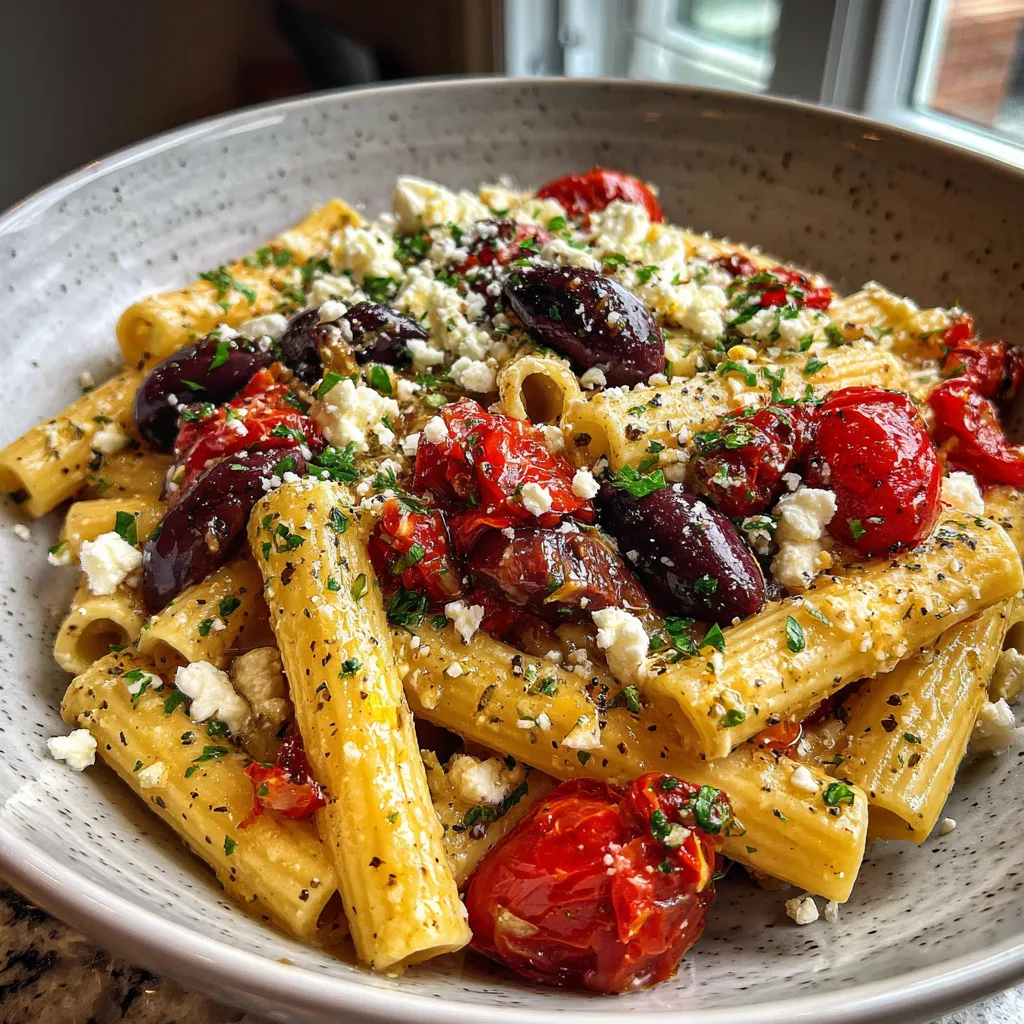
When the evening rush sets in and the eternal question of “what is for dinner?” hangs in the air, having a reliable, incredibly flavorful, and lightning-fast recipe in your culinary arsenal is absolutely essential. Enter this vibrant, fresh, and deeply satisfying Greek Pasta with Feta and Olives. Clocking in at a mere 25 minutes from start to finish, this dish is a masterclass in how simple, high-quality ingredients can come together to create a meal that tastes like it took hours of careful preparation. It transports you straight to the sun-drenched shores of the Mediterranean with every single bite.
This is not your heavy, cream-laden pasta, nor is it a standard marinara dish. Instead, this recipe relies on the brilliant emulsification of starchy pasta water, high-quality extra virgin olive oil, and the creamy, salty bite of authentic feta cheese. Studded with juicy, burst cherry tomatoes and briny Kalamata olives, it is a naturally vegetarian powerhouse meal that is as visually stunning as it is delicious. Throughout this comprehensive article, we are going to dive deep into the mechanics of this 25-minute miracle. We will explore the vital importance of each ingredient, teach you the professional restaurant technique for creating a pan sauce without cream, and offer an abundance of ways to customize this dish to perfectly suit your family’s preferences.
Why You Will Fall in Love with This Greek Pasta
The appeal of this recipe extends far beyond its incredible speed, though having a scratch-made dinner on the table in under half an hour is certainly its primary draw. You will fall in love with this dish because it perfectly balances contrasting flavors and textures. The warm, chewy penne pasta serves as the ultimate canvas. Against this neutral backdrop, you get the sharp, acidic pop of the fresh cherry tomatoes, the deep, earthy brine of the Kalamata olives, and the rich, creamy, slightly tangy presence of the feta cheese.
Furthermore, this is a phenomenal recipe for those nights when the refrigerator looks a little bare. Most of the ingredients required are pantry staples. If you have pasta, olive oil, garlic, and a jar of olives, you are already more than halfway there. It requires minimal chopping, minimal prep work, and minimal cleanup. By utilizing a large skillet to build the sauce while the pasta boils, you are multitasking efficiently, dirtying fewer dishes, and maximizing your time.

Finally, this dish feels genuinely wholesome. It leans heavily into the principles of the Mediterranean diet, focusing on heart-healthy fats from the olive oil and olives, antioxidant-rich tomatoes, and avoiding heavy, saturated creams or butter. It leaves you feeling nourished, energized, and completely satisfied without the heavy, sluggish feeling that often follows a large bowl of traditional pasta.
The Magic of the Mediterranean Flavor Profile
To truly understand why this dish works so brilliantly, we have to look at the cornerstones of Greek and Mediterranean cooking. This culinary tradition relies heavily on allowing the natural flavors of the produce to shine through, rather than masking them behind complicated, heavy sauces. The magic lies in the synergy of the ingredients.
When warm pasta meets crumbled feta cheese, something wonderful happens. The residual heat from the pasta begins to gently soften the feta. It does not melt completely into a liquid cheese sauce like a cheddar or a mozzarella would; instead, it softens just enough to coat the ridges of the penne, creating a luxurious, slightly textured coating that carries the flavors of the garlic and oregano to your palate. The addition of Kalamata olives provides a necessary punch of umami—a deep, savory note that grounds the brightness of the tomatoes and the lemon juice. It is a harmonious blend of salty, sweet, acidic, and rich.
The Essential Ingredients Breakdown
Because this recipe uses a relatively short list of ingredients, the quality of each individual component matters immensely. Here is what you need to know about the stars of this dish:
- The Pasta: We highly recommend using a short, tubular pasta like penne, rigatoni, or ziti. The tubular shapes are brilliant at catching little pockets of the olive oil and feta sauce inside them, while the ridges on the outside of the pasta (look for “rigate” on the box) help the cheese and herbs cling to the surface.
- The Feta Cheese: For the absolute best results, bypass the pre-crumbled feta cheese sold in plastic tubs. Those crumbles are coated in anti-caking agents (like cellulose) which prevent them from softening and melting properly into the warm pasta. Instead, buy a solid block of feta cheese packed in brine. It is infinitely creamier, fresher, and has a much more robust flavor. Crumble it yourself by hand right before adding it to the dish.
- The Cherry Tomatoes: Cherry or grape tomatoes are perfect here. They bring a natural sweetness that counterbalances the salty feta and olives. When they hit the warm skillet, their skins blister and they release their sweet juices, which mix with the olive oil to form the base of your sauce.
- The Kalamata Olives: A staple of Greek cuisine, Kalamata olives are dark, almond-shaped olives with a rich, fruity, and deeply savory flavor profile. Ensure you buy pitted olives to save time, and slice them in half or into rings so their flavor is evenly distributed throughout the dish.
- The Olive Oil: Since this is the primary liquid forming your sauce, use the highest quality Extra Virgin Olive Oil you have in your pantry. A good olive oil will provide a fruity, slightly peppery backbone to the entire dish.
- The Aromatics: Freshly minced garlic is essential. Do not use jarred minced garlic if you can avoid it, as it tends to be highly acidic and lacks the sweet, pungent aroma of fresh cloves. A squeeze of fresh lemon juice at the very end brightens all the flavors and wakes the dish up.
- The Herbs: Fresh parsley and a pinch of dried oregano provide the quintessential Greek herbal notes. The oregano brings an earthy warmth, while the fresh parsley adds a clean, grassy finish.
Ingredients You Will Need
Gather these ingredients to create your beautiful 25-minute Mediterranean feast:
- – 1 lb (16 oz) penne pasta (or similar tubular pasta)
- – 1/4 cup high-quality extra virgin olive oil (plus more for drizzling)
- – 4 cloves fresh garlic, minced
- – 1 pint (2 cups) cherry or grape tomatoes, halved
- – 1/2 cup pitted Kalamata olives, sliced
- – 6 oz block of feta cheese (preferably packed in brine), crumbled by hand
- – 1 teaspoon dried oregano
- – 1/2 teaspoon crushed red pepper flakes (optional, for a slight kick)
- – 1/4 cup fresh parsley, finely chopped
- – 2 tablespoons fresh lemon juice (about half a lemon)
- – Sea salt and freshly cracked black pepper, to taste
Step-by-Step Instructions
Follow these detailed steps to achieve the perfect 25-minute meal:
- Boil the Water: Bring a large pot of water to a rolling boil. Once boiling, generously salt the water. It should taste salty like the sea (about 1 to 2 tablespoons of salt). This is your only chance to season the actual pasta itself.
- Cook the Pasta: Add the penne pasta to the boiling water. Stir immediately to prevent sticking. Cook according to the package instructions until it reaches “al dente” (usually about 9 to 11 minutes). You want the pasta to still have a slight chew to it, as it will continue to cook slightly when tossed with the hot ingredients.
- Reserve the Liquid Gold: Just before draining the pasta, use a mug or a measuring cup to carefully scoop out about 1 full cup of the starchy pasta cooking water. Set this aside. This starchy water is the vital secret ingredient that will emulsify with the olive oil to create a silky sauce. Drain the rest of the pasta.
- Build the Flavor Base: While the pasta is in its final few minutes of boiling, place a large, deep skillet over medium heat. Add the extra virgin olive oil. Once the oil is shimmering, add the minced garlic and the crushed red pepper flakes (if using). Sauté for just 30 to 60 seconds, stirring constantly, until the garlic is fragrant. Do not let the garlic brown or it will turn bitter.
- Blister the Tomatoes: Add the halved cherry tomatoes and the dried oregano to the skillet. Cook for about 3 to 4 minutes, tossing occasionally, until the tomatoes begin to soften, blister, and release some of their juices into the garlic oil.
- Combine and Emulsify: Reduce the heat under the skillet to low. Add the warm, drained pasta directly into the skillet with the tomatoes and garlic oil. Pour in about 1/4 cup of your reserved starchy pasta water. Toss everything together vigorously. The starch in the water will bind with the olive oil to create a light, glossy sauce that coats the noodles. If the pasta looks dry, add a little more pasta water until you reach a luscious consistency.
- Add the Greek Elements: Remove the skillet entirely from the heat. Add the sliced Kalamata olives, the hand-crumbled feta cheese, the fresh lemon juice, and the chopped parsley. Toss gently to combine. You want the feta to soften and warm through, but you still want distinct crumbles remaining.
- Season and Serve: Taste the pasta. Add freshly cracked black pepper. Because the feta, olives, and pasta water are all quite salty, you likely will not need to add any additional salt, but adjust according to your preference. Serve immediately, right out of the skillet or transferred to a large serving bowl, with an extra drizzle of fresh olive oil on top.
Pro Tips for Pasta Perfection
To elevate your home cooking to restaurant-quality standards, keep these professional tips in mind:
The Emulsification Secret: The difference between a greasy pasta dish and a glossy, saucy pasta dish lies entirely in the pasta water. Pasta water is full of starches released during the boiling process. When you vigorously toss this starchy water with fat (the olive oil), it creates an emulsion—a thick, creamy, unified sauce that clings tightly to the penne. Never skip reserving the pasta water!
Timing is Everything: The beauty of a 25-minute meal is the synchronization. Have all your ingredients chopped, measured, and ready to go (mise en place) before you drop the pasta into the boiling water. The skillet sauce takes less than 10 minutes to make, meaning you can start it right as the pasta is halfway done cooking.
Do Not Overcook the Feta: Feta cheese is not designed to be melted down into a liquid cheese sauce over high heat. If you leave the skillet on the heat when adding the feta, it can become tough and rubbery. Always remove the pan from the heat source before tossing in the cheese.
Variations and Customizations
This recipe is a fantastically versatile blueprint. Here are several ways to customize it to your liking or use up what you have in the fridge:
- Add Powerful Protein: To make this an even heartier main course, you can easily add protein. Toss in two cups of shredded rotisserie chicken, some sliced grilled chicken breast, or sautéed shrimp at the very end. For a vegetarian protein boost, a can of rinsed and drained chickpeas (garbanzo beans) is a phenomenal, authentic Mediterranean addition.
- Load Up the Veggies: This dish is a great way to clear out the crisper drawer. Toss in a few handfuls of fresh baby spinach or arugula right when you add the hot pasta; the residual heat will wilt the greens perfectly. Marinated artichoke hearts, roasted red peppers, or thinly sliced red onion also make spectacular additions.
- Make it Vegan: To transform this into a fully vegan meal, simply swap the feta cheese for your favorite plant-based feta alternative, or omit the cheese entirely and add a tablespoon of nutritional yeast and some toasted pine nuts for a cheesy, nutty flavor and crunch.
- Change the Carb: If you are watching your carbohydrate intake or eating gluten-free, this entire topping and sauce works brilliantly over roasted spaghetti squash, zucchini noodles (zoodles), or your favorite high-quality gluten-free pasta.
How to Store and Reheat Leftovers
While this pasta is undeniably best when eaten fresh and hot straight from the stove, leftovers make a fantastic lunch the next day.
Refrigeration: Allow any leftover pasta to cool completely to room temperature. Transfer it to an airtight storage container and place it in the refrigerator. It will stay fresh and delicious for up to 4 days.
Reheating: Reheating olive oil-based pasta can be tricky, as the oil tends to separate from the pasta in the microwave. The best way to reheat this is in a skillet over medium-low heat. Add a tiny splash of water or a drizzle of fresh olive oil to help wake up the sauce, tossing gently until it is warmed through. If using a microwave, heat it in short 30-second bursts, stirring in between, to prevent the feta from turning rubbery.
Eat it Cold! Interestingly, because this pasta has a flavor profile very similar to a Greek pasta salad, it is actually incredibly delicious eaten cold straight out of the fridge on the second day. Give it a quick toss with a little extra lemon juice to brighten it up before eating.
Serving Suggestions for a Complete Meal
If you are serving this for a dinner party or simply want to round out the meal for your family, consider a few simple side dishes. A warm, crusty baguette or a few slices of toasted focaccia bread are practically mandatory for mopping up the delicious, garlic-infused olive oil that pools at the bottom of the bowl.
For a side salad, keep things light and crisp since the pasta is deeply flavorful. A simple mix of crisp romaine lettuce, cucumbers, and a light lemon vinaigrette will cleanse the palate beautifully between bites of the rich, salty feta and olives. If you are pouring wine, look for a crisp, dry white wine with bright acidity. A Greek Assyrtiko, a classic Sauvignon Blanc, or a dry Pinot Grigio will pair flawlessly with the salty, briny notes of this brilliant 25-minute Mediterranean masterpiece.
Greek Pasta with Feta and Olives
Ingredients
Equipment
Method
- Bring a large pot of heavily salted water to a boil. Cook the penne pasta according to package instructions until al dente.
- Before draining the pasta, carefully scoop out and reserve 1 cup of the starchy pasta cooking water. Drain the rest of the pasta.
- While pasta boils, heat the olive oil in a large skillet over medium heat. Add the minced garlic and red pepper flakes, sautéing for 30-60 seconds until fragrant.
- Add the halved cherry tomatoes and dried oregano to the skillet. Cook for 3 to 4 minutes until the tomatoes begin to soften and blister.
- Reduce heat to low. Add the warm, drained pasta to the skillet. Pour in 1/4 cup of the reserved pasta water and toss vigorously to create a light emulsion. Add more water if needed.
- Remove the skillet entirely from the heat.
- Add the sliced Kalamata olives, hand-crumbled feta cheese, fresh lemon juice, and chopped parsley. Toss gently to combine until the feta is slightly warmed but still chunky.
- Season with freshly cracked black pepper. Serve immediately, garnished with an extra drizzle of olive oil.