Crispy Lemon Greek Potatoes
The Ultimate Guide to Crispy Lemon Greek Potatoes
When it comes to comfort food, few things rival the humble potato. But when you take that potato, bathe it in golden olive oil, infuse it with bright, zesty lemon juice, and roast it until the edges are shattering and crisp while the inside remains fluffy and tender, you elevate it to an entirely new culinary echelon. Crispy Lemon Greek Potatoes—known traditionally as “Ellinikos Lemonipates”—are a staple of Mediterranean cuisine and a testament to the power of simple, high-quality ingredients. Finished with a scattering of sharp, salty feta cheese and fresh vibrant herbs, this dish is a masterclass in flavor and texture balancing.
Whether you are serving a grand holiday feast, a casual Sunday family dinner, or simply meal-prepping for the week ahead, these potatoes are guaranteed to steal the spotlight from whatever main course they accompany. In this comprehensive guide, we are going to dive deep into the specific techniques, the science of roasting, the cultural significance of the ingredients, and the step-by-step methodology required to produce the absolute best pan of Crispy Lemon Greek Potatoes you have ever tasted.
The Magic of the Greek Roasting Method
If you have ever had authentic potatoes at a Greek taverna, you have likely marveled at their unique texture. They are deeply infused with savory lemon and garlic flavor, practically melting in your mouth, yet they boast remarkably crispy, caramelized edges. How is this achieved? The secret lies in a dual-cooking process that happens simultaneously in the oven: braising and roasting.
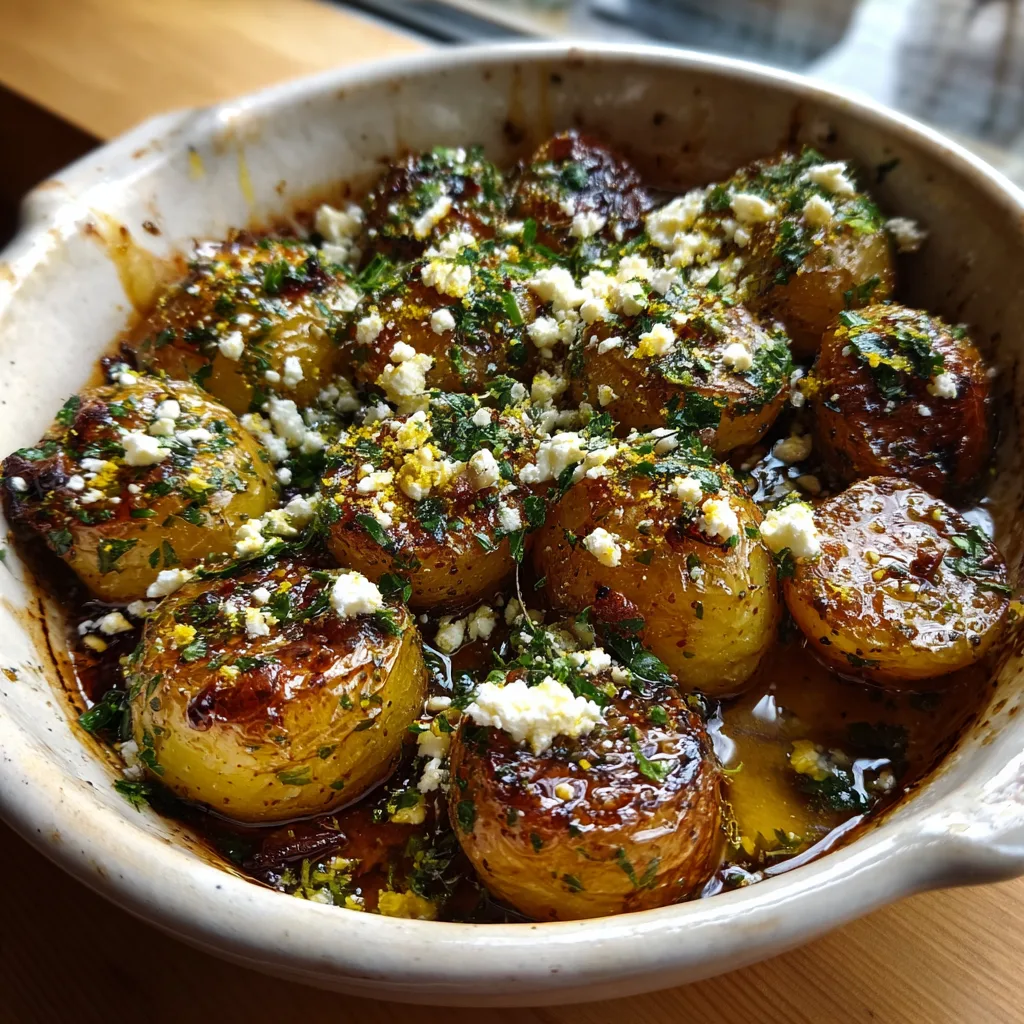
Unlike standard roasted potatoes, which are simply tossed in oil and thrown onto a dry baking sheet, Greek potatoes are cooked in a liquid bath consisting of chicken or vegetable broth, fresh lemon juice, generous amounts of olive oil, and aromatics. During the first phase of baking, the potatoes actually boil and braise in this highly flavorful liquid. They absorb the broth and citrus deeply into their starchy flesh. As the cooking time progresses, the water content in the pan evaporates. What remains behind is the pure fat from the olive oil (and chicken broth, if using). In the final phase of cooking, the potatoes begin to fry and roast in this residual infused oil, creating those highly sought-after, aggressively crunchy, golden-brown edges.
The Science of the Perfect Potato
Not all potatoes are created equal, and choosing the right variety is critical to the success of this recipe. Potatoes generally fall into three categories: starchy, waxy, and all-purpose.
Starchy Potatoes: Varieties like Russets have high starch and low moisture content. While they make excellent fluffy baked potatoes and perfect French fries, they tend to fall apart and turn to mush when subjected to the long braising process required for Greek potatoes.
Waxy Potatoes: Red potatoes and fingerlings fall into this category. They have low starch and high moisture. They hold their shape beautifully when boiled or roasted, but they do not absorb flavors as well, and they struggle to develop a truly crispy exterior crust.
All-Purpose Potatoes: This is the sweet spot. Yukon Gold potatoes (or baby yellow potatoes) are the absolute best choice for this recipe. They offer a medium starch content, allowing them to absorb the lemon-garlic broth beautifully while maintaining their structural integrity. Furthermore, their naturally buttery flavor and creamy texture inside pair flawlessly with the sharp acidity of the lemon and the salty bite of the feta cheese garnish.
Essential Ingredients Breakdown
Because this recipe relies on a handful of ingredients, quality is paramount. Here is a detailed look at what you need to create the perfect pan of Crispy Lemon Greek Potatoes.
The Core Components:
- – 3 lbs baby Yukon Gold potatoes: Halved. Leaving the skins on provides extra texture and rustic appeal, plus the skins crisp up beautifully.
- – 1/2 cup extra virgin olive oil: Do not skimp on the oil. It is essential for flavor and for the final roasting/crisping phase. Use a good quality Greek olive oil if possible.
- – 1/2 cup fresh lemon juice: (About 3-4 large lemons). Bottled lemon juice contains preservatives that alter the flavor. Freshly squeezed is mandatory for that bright, authentic taste.
- – 1 cup chicken broth: Provides a rich, savory depth that balances the sharp citrus. Vegetable broth can easily be substituted for a vegetarian version.
- – 5-6 cloves fresh garlic: Minced finely. The garlic will mellow and sweeten as it roasts in the liquid.
The Spices and Herbs:
- – 1 tablespoon dried oregano: A staple in Greek cooking. If you can find Mediterranean or Greek dried oregano on the branch, it will impart a stronger, more authentic aroma.
- – 1 teaspoon salt: Plus more flaky sea salt for finishing. Keep in mind the broth and feta will also add saltiness.
- – 1/2 teaspoon freshly cracked black pepper.
- – 1 teaspoon semolina or cornstarch (optional): A secret trick for extra crunch. Dusting the potatoes lightly before roasting adds an extra microscopic layer of crispness.
The Finishing Touches (Crucial for the “Loaded” Experience):
- – 1/2 cup feta cheese: Buy a block of feta in brine and crumble it yourself. Pre-crumbled feta is coated in anti-caking agents that make it dry and prevent it from melting slightly on the hot potatoes.
- – 2 tablespoons fresh parsley: Finely chopped, for a hit of fresh, grassy color and flavor.
- – Flaky sea salt: To sprinkle right before serving for a textural crunch.
Step-by-Step Instructions for Perfection
Creating this masterpiece is mostly hands-off oven time, but the preparation and temperature control are what separate good potatoes from legendary ones.
- Preheat the Oven: Arrange an oven rack in the lower-middle position. Preheat your oven to a blazing 400°F (200°C). High heat is necessary to boil off the liquid and eventually fry the potatoes.
- Prepare the Potatoes: Wash the baby Yukon gold potatoes thoroughly and dry them. Cut them in half lengthwise. If you are using larger Yukon golds, cut them into thick wedges. Place the cut potatoes into a large, deep 9×13 inch ceramic or metal roasting pan. Avoid glass if possible, as it doesn’t conduct heat as aggressively for crisping.
- Mix the Braising Liquid: In a medium mixing bowl or large measuring cup, aggressively whisk together the extra virgin olive oil, fresh lemon juice, chicken broth, minced garlic, dried oregano, salt, and black pepper. Whisk until the oil and liquids temporarily emulsify.
- Coat and Bake: Pour the liquid mixture over the potatoes in the roasting pan. Use your hands or a large spoon to toss the potatoes until every piece is coated. Ensure all the potatoes are arranged flat-side down in the pan; this maximizes the surface area in contact with the hot pan for supreme caramelization.
- The Braising Phase: Place the pan in the preheated oven. Bake uncovered for 40 minutes. During this time, the liquid will bubble furiously. The potatoes are drinking in the lemon and garlic broth while becoming completely tender.
- The Crisping Phase: After 40 minutes, remove the pan carefully from the oven. The liquid should be mostly evaporated, leaving behind a sizzling layer of infused oil. Using tongs, carefully flip each potato so the skin side is down and the flat, caramelized side is facing up.
- Final Roast: Return the pan to the oven and roast for an additional 20 to 25 minutes. Watch them closely. You want deep, dark, golden-brown edges. The remaining oil will essentially shallow-fry the potatoes right in the pan.
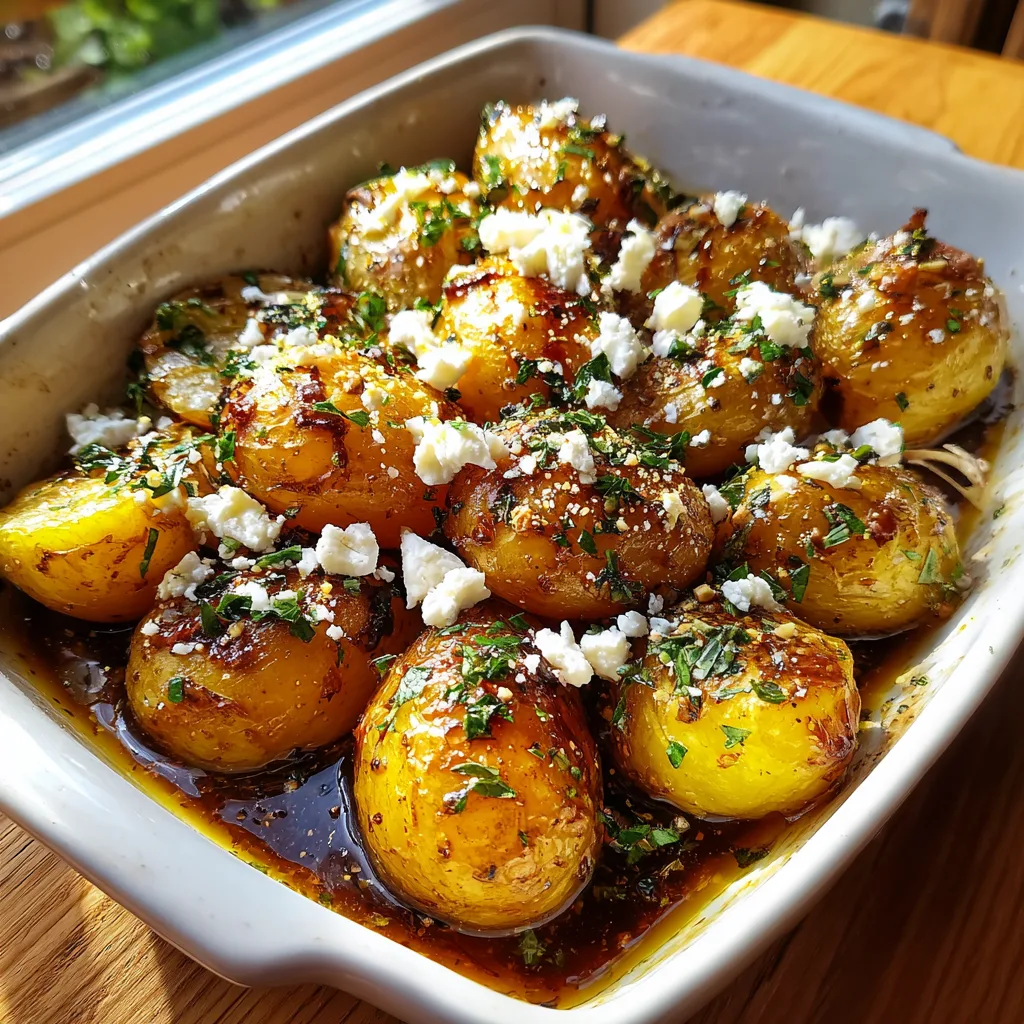
- Garnish and Serve: Remove the perfectly crispy potatoes from the oven. While they are still piping hot and sizzling, generously scatter the crumbled feta cheese over the top so it slightly softens from the heat. Sprinkle with the fresh chopped parsley and a pinch of flaky sea salt. Serve immediately.
Pro-Tips for Ultimate Crispiness and Flavor
Even with a foolproof recipe, a few professional kitchen tricks can elevate your dish from excellent to extraordinary.
Do Not Crowd the Pan: Potatoes need breathing room to roast. If they are piled on top of each other, they will simply steam in their own moisture rather than crisping up. If your 9×13 pan looks too crowded, divide the recipe between two pans or use a larger commercial half-sheet pan.
The Pre-Boil Cheat: If you are short on time, you can par-boil the halved potatoes in salted water with a teaspoon of baking soda for 10 minutes before roasting. The baking soda breaks down the exterior starch of the potato, creating a fuzzy, mashed-potato-like slurry on the outside. When tossed in the oil and lemon mixture and roasted, this starchy paste turns into an incredibly thick, glass-like crust.
Save the Pan Juices: When you remove the potatoes from the roasting pan, there will likely be a small amount of dark, intensely flavored, lemon-garlic oil left behind. Do not wash this down the sink! Drizzle it over your main course (like grilled chicken or fish) or use it to dip crusty bread.
Delicious Variations to Explore
While this traditional recipe is a standalone star, the formula is highly adaptable to suit different palates and dietary needs.
Make it Spicy: Add 1 teaspoon of crushed red pepper flakes or a dash of cayenne pepper to the braising liquid. The heat pairs beautifully with the tangy lemon and the cooling feta cheese.
Mustard Glazed: Whisk 1 tablespoon of Dijon mustard into the broth and oil mixture. The mustard acts as an emulsifier, thickening the braising liquid so it clings more heavily to the potatoes, while adding a sharp, complex tang.
Add Protein for a One-Pan Meal: You can easily turn this side dish into a complete dinner. Nestling bone-in, skin-on chicken thighs among the potatoes before roasting allows the savory chicken fat to render down into the pan, flavoring the potatoes even further. Just ensure the chicken reaches an internal temperature of 165°F.
Serving Suggestions and Pairings
Crispy Lemon Greek Potatoes are incredibly versatile and pair flawlessly with a wide array of Mediterranean and Western dishes.
- Classic Souvlaki: Serve alongside grilled chicken, pork, or lamb skewers marinated in olive oil, lemon, and oregano.
- Seafood: The bright citrus notes make these potatoes the perfect companion for grilled branzino, baked salmon, or garlic butter shrimp.
- Dips and Sauces: Serve with a generous bowl of homemade Tzatziki (Greek yogurt, cucumber, garlic, and dill). Dipping a hot, crispy, oily potato into cool, creamy tzatziki is a culinary revelation.
- Salads: Pair with a traditional Horiatiki (Greek salad) loaded with ripe tomatoes, cucumbers, red onions, Kalamata olives, and giant slabs of feta.
Fun Facts and Cultural Context
The lemon is a cornerstone of Greek gastronomy, but it wasn’t always that way. Citrus fruits are not actually native to Greece or the Mediterranean basin. They were introduced from Southeast Asia via trade routes spanning through the Middle East centuries ago. However, the Greek climate—characterized by long, hot, dry summers and mild, wet winters—proved absolutely perfect for cultivating lemon groves.
Today, the combination of olive oil and lemon juice, known as “ladolemono,” is the foundational dressing, marinade, and braising liquid of Greek cuisine. It is whisked over fish, massaged into meats, and, of course, used to slowly coax potatoes into tender, flavorful submission.
Furthermore, the tradition of adding feta to roasted dishes highlights the Greek philosophy of zero-waste agriculture. Historically, sheep and goat farming dominated the rocky, mountainous terrains of Greece where cows could not graze. This led to an abundance of sheep and goat milk, heavily preserved in the form of feta cheese. Adding it to a cheap, plentiful crop like potatoes created a meal that was sustaining, affordable, and incredibly delicious.
Conclusion
Mastering Crispy Lemon Greek Potatoes is a right of passage for any home cook looking to explore the depths of Mediterranean cooking. By understanding the science of the braise-and-roast method, selecting the proper type of potato, and not shying away from bold amounts of lemon, olive oil, and feta, you can create a dish that is deeply comforting yet vibrantly flavored. The contrast between the shattering, golden crust and the creamy, citrus-infused interior makes this recipe an unforgettable addition to your culinary repertoire. Gather your ingredients, preheat your oven, and prepare for your kitchen to smell absolutely divine.
Crispy Lemon Greek Potatoes
Ingredients
Equipment
Method
- Preheat oven to 400°F (200°C). Arrange potatoes in a 9×13 inch roasting pan.
- In a bowl, whisk together the olive oil, lemon juice, chicken broth, minced garlic, dried oregano, salt, and pepper.
- Pour the liquid over the potatoes and toss to combine. Ensure all potatoes are arranged flat-side down.
- Bake uncovered for 40 minutes to braise the potatoes and evaporate the broth.
- Remove from oven. Using tongs, carefully flip each potato so the skin side is down.
- Return to the oven and roast for an additional 20-25 minutes until the edges are deep golden brown and crispy.
- Remove from oven and immediately top the hot potatoes with crumbled feta cheese, fresh parsley, and flaky sea salt.
- Serve immediately alongside your favorite main dishes.