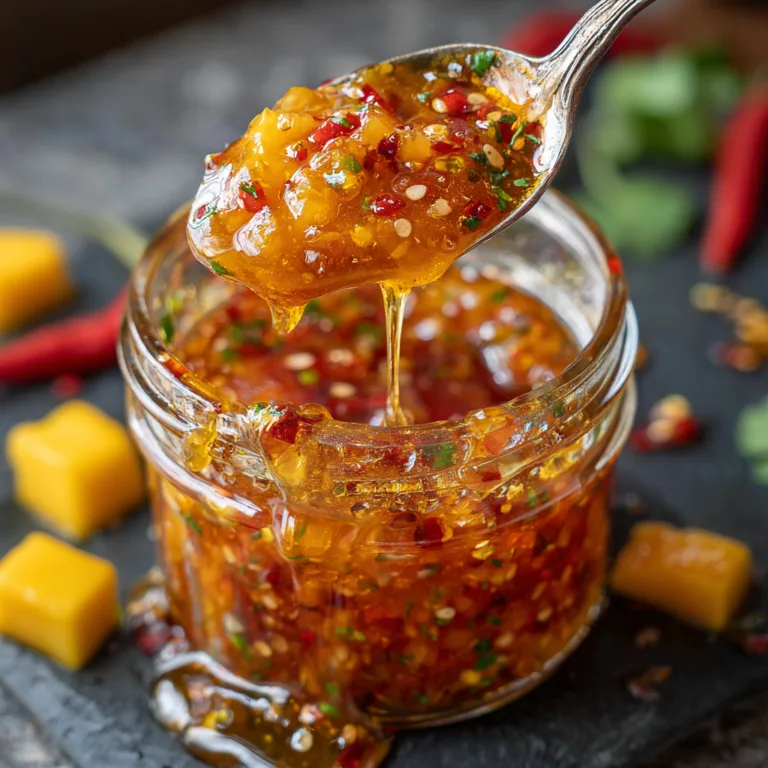
Creole Remoulade Sauce
The Ultimate Creole Remoulade Sauce: A Taste of Louisiana in Your Kitchen
There is a well-known secret in the culinary world: a dish is only as good as the sauce that accompanies it. Whether you are serving up fresh seafood, crispy fried appetizers, or a hearty sandwich, the right condiment can elevate a meal from ordinary to extraordinary. Enter the star of the Southern table: Creole Remoulade Sauce. This bold, zesty, and incredibly creamy sauce is a staple in Louisiana cuisine, and once you learn how to make it at home, you will never want to buy the bottled version again.
With its vibrant orange-red hue and its complex profile of spicy, tangy, and savory notes, Creole remoulade is the ultimate dipping sauce. It boasts a rich mayonnaise base that is heavily seasoned with Creole mustard, hot sauce, paprika, garlic, and a proprietary blend of Cajun spices. In this comprehensive guide, we are going to dive deep into the origins of this iconic sauce, explore the crucial ingredients that give it its signature kick, and provide you with a foolproof recipe that will make you the star of your next dinner party or family cookout.

The Fascinating History and Evolution of Remoulade
To truly appreciate the magic of Creole remoulade, it is essential to understand its roots. Remoulade originally hails from France. Traditional French remoulade is a mayonnaise-based condiment heavily flavored with herbs, capers, cornichons (pickles), and sometimes a touch of anchovy. It is pale in color, similar to a sophisticated tartar sauce, and is famously served with celeriac (celery root) in the classic bistro dish, céleri rémoulade.
However, when the sauce crossed the Atlantic and landed in Louisiana, it underwent a magnificent transformation. The melting pot of cultures in New Orleans—including French, Spanish, African, and Native American influences—breathed new life into the traditional recipe. The Creole variation introduced bolder, spicier elements. The addition of paprika, cayenne pepper, and Louisiana hot sauce gave the sauce its distinctive reddish-orange tint. Creole mustard, a coarse, spicy mustard made from brown mustard seeds marinated in vinegar, became a non-negotiable ingredient, adding a profound, pungent depth that French mustard simply could not provide.
Today, Creole remoulade is the undisputed king of sauces in the American South. It is the mandatory companion for crab cakes, the essential spread for a proper shrimp po’boy, and the ultimate dip for everything from fried green tomatoes to crispy onion rings.
Breaking Down the Essential Ingredients
The beauty of this Creole Remoulade Sauce lies in its complexity. It hits every note on your palate: rich, acidic, spicy, and earthy. Achieving this balance requires a specific cast of characters. Let us break down the ingredients you need for this recipe:
- – Mayonnaise: This forms the creamy, rich canvas of your sauce. For the best, most authentic Southern flavor, use a high-quality, full-fat mayonnaise. Brands like Duke’s or Hellmann’s (Best Foods) are highly recommended because they have the right balance of egg yolks and acidity.
- – Creole Mustard: This is a crucial ingredient. Creole mustard is grainier and has a much sharper bite than standard Dijon or yellow mustard. If you absolutely cannot find it, a robust whole-grain mustard mixed with a tiny splash of white vinegar is a passable substitute, but authentic Creole mustard is best.
- – Prepared Horseradish: This brings a unique, sharp heat that hits the back of your nose, cutting through the richness of the mayonnaise. Make sure you use prepared horseradish, not horseradish cream sauce.
- – Louisiana Hot Sauce: Think Crystal or Tabasco. This provides acidity and a slow-building heat that is characteristic of New Orleans cuisine.
- – Fresh Lemon Juice: Fresh is non-negotiable here. Bottled lemon juice lacks the bright, floral acidity needed to balance the heavy mayonnaise. The acid lifts the entire sauce and makes it refreshing.
- – Worcestershire Sauce: This magical condiment adds an instant hit of umami, savory depth, and a touch of sweetness.
- – Cajun or Creole Seasoning: A good all-purpose Cajun seasoning blend will contain salt, garlic powder, onion powder, cayenne, oregano, and thyme. This is your flavor shortcut.
- – Paprika: Smoked or sweet paprika works depending on your preference. This is largely responsible for the beautiful sunset-orange color of the sauce.
- – Fresh Herbs: Finely chopped fresh parsley or chives add a burst of green freshness and visual appeal to the final product.
- – Fresh Garlic: Minced extremely fine or pressed into a paste. While the Cajun seasoning has garlic powder, fresh garlic adds a necessary aromatic punch.
Step-by-Step Instructions for the Perfect Emulsion
Making Creole remoulade is incredibly simple—it requires no cooking, just a bowl and a whisk. However, the technique and the resting period are what separate a good sauce from a great one.
- Gather and Prep Your Ingredients: Before you begin mixing, ensure all your ingredients are measured out. Mince your fresh garlic as finely as humanly possible to avoid biting into raw, harsh chunks. Finely chop your fresh parsley.
- Combine the Base and Acids: In a medium-sized mixing bowl, add your mayonnaise. Whisk in the Creole mustard, fresh lemon juice, Louisiana hot sauce, and Worcestershire sauce. Stir until the mixture is smooth and completely uniform in color.
- Fold in the Heat and Spices: Next, add the prepared horseradish, minced garlic, Cajun/Creole seasoning, and paprika. Whisk vigorously. You will see the sauce instantly transform from pale yellow to that iconic vibrant, spicy red-orange.
- Add the Fresh Elements: Gently fold in the finely chopped parsley or chives. Taste the sauce at this point. If your Cajun seasoning was unsalted, you may need a pinch of kosher salt or a crack of black pepper. Adjust the hot sauce if you prefer a spicier kick.
- The Most Important Step: Chill and Marinate. Do not skip this step! Cover the bowl tightly with plastic wrap or transfer the sauce to an airtight mason jar. Place it in the refrigerator for at least one hour, though two to four hours is optimal. This resting period allows the dried spices to hydrate, the harshness of the raw garlic to mellow, and all the diverse flavors to marry together into a cohesive, perfectly balanced sauce.
Expert Tips for the Ultimate Creole Remoulade
To ensure your sauce is the talk of the table, keep these professional culinary tips in mind:
- Texture Matters: Some traditional Louisiana recipes call for finely minced celery, green bell pepper, and green onions (the “Holy Trinity” of Cajun cooking) directly in the sauce. If you prefer a chunky remoulade, feel free to fold in two tablespoons of each, finely minced. For a smooth dipping sauce as shown in our photos, stick to the recipe as written.
- Control the Consistency: If your sauce ends up too thick for your liking, do not add water. Thin it out with an extra squeeze of lemon juice or a tiny splash of pickle juice for extra tang.
- Make it Ahead: This sauce actually tastes better on the second day. Making it 24 hours in advance of your party or meal allows the flavors to reach their absolute peak.
Serving Suggestions: What to Pair with Your Remoulade
The versatility of this Creole Remoulade Sauce is truly astounding. While it is intrinsically linked to seafood, its bold flavor profile makes it a fantastic accompaniment to an enormous variety of dishes. Here are some incredible ways to use your homemade batch:
- The Ultimate Seafood Dip: Serve it chilled alongside boiled shrimp, fried calamari rings, crispy popcorn shrimp, crab cakes, or blackened salmon. It cuts through the rich, fried breading perfectly.
- Sandwich Spread: This is the authentic sauce for a Louisiana Po’Boy (whether shrimp, oyster, or roast beef). It is also phenomenal spread on a classic BLT, a turkey club, or a juicy grilled hamburger.
- Fried Vegetable Companion: Dip hot, crispy onion rings, french fries, sweet potato fries, fried green tomatoes, or fried okra into this sauce for an indulgent treat.
- Salad Dressing Base: Thin the remoulade out with a little extra lemon juice and olive oil, and toss it with shredded cabbage for a spicy, creamy slaw to serve alongside barbecue.
- Deviled Eggs: Swap out regular mayonnaise for this remoulade when making deviled eggs for a Southern, spicy twist on a classic appetizer.
Creative Variations to Customize Your Sauce
Once you have mastered the base recipe, you can easily tweak it to suit your specific dietary needs or flavor preferences.
The Tartar Crossover: If you love the tang of traditional tartar sauce, fold in two tablespoons of finely chopped dill pickles or capers into your remoulade. This adds a briny, crunchy element that pairs wonderfully with baked or fried fish.
Vegan Remoulade: Plant-based eaters do not have to miss out on this Louisiana classic. Simply swap the traditional mayonnaise for your favorite high-quality vegan mayonnaise. Ensure your Worcestershire sauce is vegan (anchovy-free), and you are good to go!
Extra Fiery Remoulade: For the heat seekers, dial up the cayenne pepper by half a teaspoon, double the prepared horseradish, and add a few dashes of a ghost pepper or habanero-based hot sauce. This version is not for the faint of heart but is incredible on mild white fish.
Sweet and Spicy: If you find the mustard and hot sauce too aggressive, balance it out with a teaspoon of honey or agave nectar. The sweetness rounds out the sharp edges of the vinegar and creates a beautifully complex flavor profile.
Proper Storage Guidelines
Because this sauce is mayonnaise-based, it must be kept refrigerated. Transfer any leftover remoulade to an airtight container or a glass mason jar with a tight-fitting lid. When stored properly in the coldest part of your refrigerator, the sauce will easily stay fresh and delicious for 10 to 14 days. Do not freeze this sauce; mayonnaise breaks and separates when frozen and thawed, ruining the creamy texture.

Frequently Asked Questions (FAQs)
What is the difference between Remoulade and Tartar Sauce?
While both are mayonnaise-based sauces often served with seafood, tartar sauce is generally milder, sweeter, and focuses heavily on pickles, capers, and dill. Creole remoulade is savory, distinctly spicy, deeply flavored with paprika and Cajun spices, and relies heavily on the pungent kick of mustard and horseradish.
Can I use yellow mustard instead of Creole mustard?
You can in a pinch, but the flavor profile will change significantly. Yellow mustard is much milder and more vinegary. If you cannot find Creole mustard, a coarse stone-ground or whole-grain mustard is a much better substitute to replicate the texture and bite.
Is Creole Remoulade Sauce gluten-free?
Generally, yes. The primary ingredients (mayonnaise, mustard, hot sauce, spices) are naturally gluten-free. However, you must always double-check the labels on your specific brand of Worcestershire sauce and Cajun seasoning, as some commercial blends can contain hidden gluten or anti-caking agents derived from wheat.
Why did my sauce turn out pale instead of bright orange-red?
The vibrant color comes almost entirely from the paprika, the Cajun seasoning, and the hot sauce. If your sauce is pale, your spices might be old and stale, or you simply didn’t add enough. Do not be afraid to add an extra dash of smoked paprika to achieve that iconic color.
Conclusion
Whipping up a batch of homemade Creole Remoulade Sauce is one of the easiest and most impactful ways to bring the vibrant, soulful flavors of Louisiana right into your own kitchen. With just a handful of staple ingredients, a whisk, and a few minutes of your time, you can create a condiment that dramatically enhances everything it touches. From crispy fried appetizers to delicate seafood to hearty sandwiches, this creamy, spicy, and tangy sauce is a guaranteed crowd-pleaser. Stop settling for bland, store-bought dips. Gather your ingredients, whisk up this authentic Southern staple, and prepare to elevate your culinary creations to entirely new heights!
Creole Remoulade Sauce
Ingredients
Equipment
Method
- In a medium mixing bowl, add the mayonnaise, Creole mustard, prepared horseradish, fresh lemon juice, hot sauce, and Worcestershire sauce.
- Whisk the wet ingredients together until completely smooth and well combined.
- Add the finely minced garlic, paprika, and Cajun seasoning. Whisk vigorously until the sauce turns a uniform reddish-orange color.
- Gently fold in the finely chopped fresh parsley.
- Cover the bowl tightly with plastic wrap or transfer to a jar with a lid. Refrigerate for at least 1 hour before serving to allow the flavors to meld.
- Serve chilled alongside fried seafood, onion rings, or as a sandwich spread. Store leftovers in the refrigerator for up to 2 weeks.