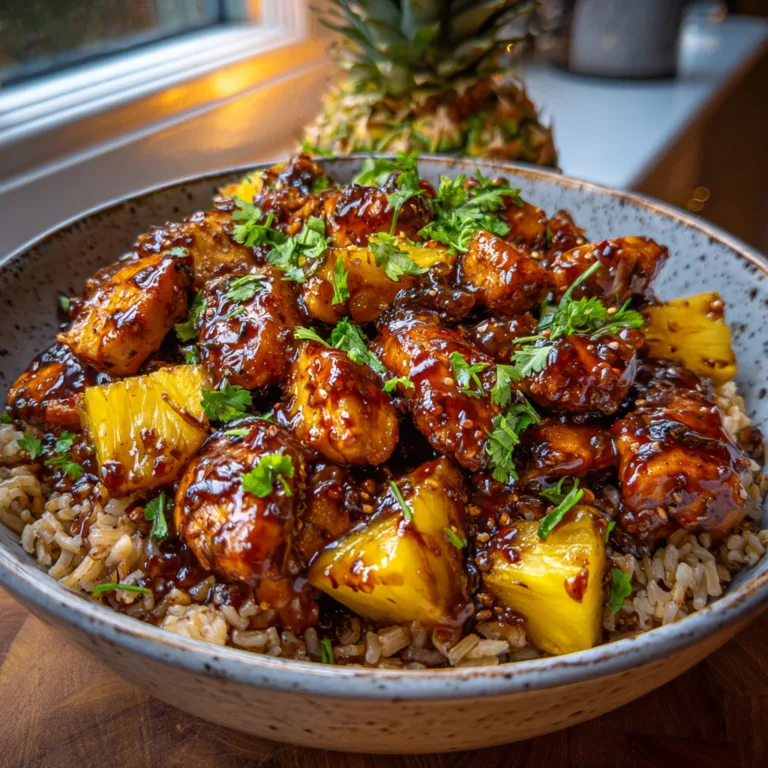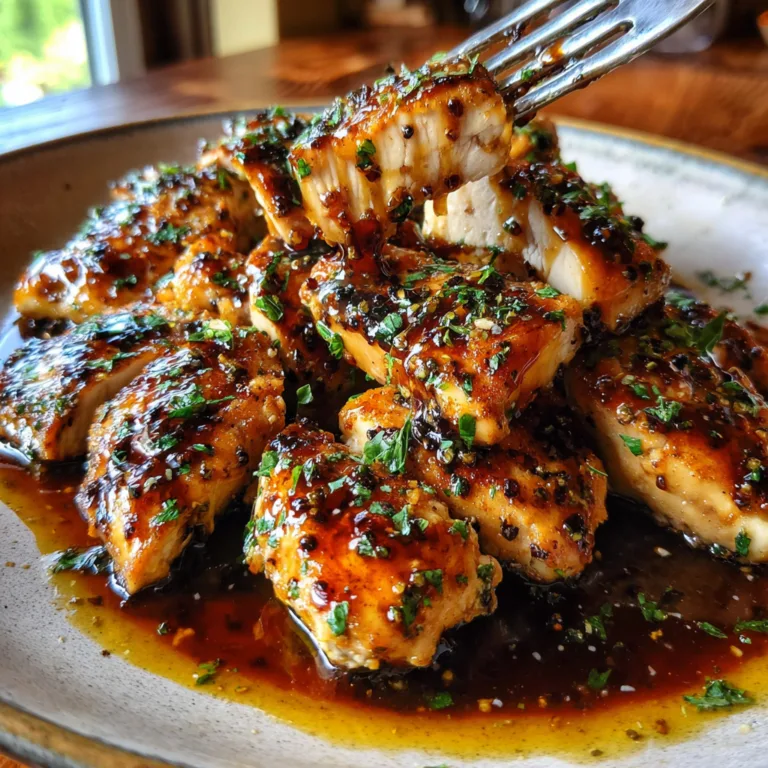
Chicken Wellington
Chicken Wellington with Dijon Cream Sauce: The Ultimate Comfort Elegance
When it comes to impressive dinners that look like they took hours of professional culinary training to create, few dishes can compete with a beautifully baked Wellington. While the traditional Beef Wellington is a legendary staple of high-end steakhouses and holiday feasts, it can also be incredibly intimidating, expensive, and heavy. Enter its delightful, approachable, and equally mouth-watering cousin: Chicken Wellington with Dijon Cream Sauce. This dish takes all the luxurious, flaky, buttery goodness of a traditional Wellington and pairs it with tender, juicy chicken breast and a tangy, rich, velvety cream sauce that will have you licking your plate clean.
Whether you are looking to impress your in-laws, planning a romantic date night at home, or simply wanting to elevate your Sunday family dinner, this Chicken Wellington recipe is the perfect solution. It offers a stunning presentation—a golden, puffed pastry parcel that shatters perfectly when cut—revealing a savory, creamy interior that contrasts beautifully with the crisp exterior. In this comprehensive guide, we will walk you through every step of creating this masterpiece, from searing the chicken to prevent a soggy pastry bottom, to whisking up a Dijon cream sauce so good you will want to put it on everything.
What is Chicken Wellington?
To understand Chicken Wellington, we first have to look at its predecessor, Beef Wellington. A classic Beef Wellington consists of a beef tenderloin coated in pâté and a mushroom duxelles (a finely chopped mushroom mixture), wrapped in Parma ham, and finally encased in puff pastry before being baked. The result is a luxurious, multi-layered dish.
Chicken Wellington adapts this brilliant concept for poultry. Because chicken breasts have a much milder flavor profile than beef tenderloin, they act as the perfect blank canvas for a variety of bold, savory fillings. Instead of an earthy mushroom paste, Chicken Wellingtons often utilize a blend of cream cheese, savory herbs, garlic, and sometimes spinach or bacon wrapped around or stuffed into the chicken. The entire breast is then wrapped in a sheet of all-butter puff pastry, brushed with an egg wash, and baked until the pastry is gloriously puffed and golden brown, and the chicken inside is cooked to juicy perfection.
The crowning glory of our specific recipe, however, is the Dijon Cream Sauce. Poured generously over the top of the freshly baked pastry (and served alongside for dipping), this sauce cuts through the richness of the butter pastry and adds a sophisticated, slightly sharp tang that complements the savory chicken perfectly.

Why You Will Fall in Love with This Recipe
There are countless chicken recipes out there, so why should this one make it to the top of your “must-cook” list? Here is why Chicken Wellington is a guaranteed winner:
The Ultimate Texture Contrast: Food is always more exciting when there is a contrast in textures. This dish delivers an incredible crunch from the many layers of baked puff pastry, followed immediately by the tender, yielding bite of the chicken breast, and finished with the silky, luxurious mouthfeel of the cream sauce. It is a sensory delight.
Deceptively Simple Preparation: Looking at a finished Chicken Wellington, you might assume you need to be a French pastry chef to pull it off. In reality, by utilizing high-quality store-bought puff pastry, the hardest part of the process is already done for you. The assembly is straightforward, resembling a simple savory package.
Make-Ahead Friendly: If you are hosting a dinner party, the last thing you want is to be tied to the stove when your guests arrive. You can sear the chicken, prepare the filling, wrap the Wellingtons in pastry, and keep them covered in the refrigerator hours before you plan to bake them. Pop them in the oven right as your guests are having their first glass of wine!
Elevated Comfort Food: It hits all the notes of hearty, home-cooked comfort food—chicken, creamy sauce, and bread—but presents itself with the elegance of a five-star restaurant meal.
The Secret to the Perfect Dijon Cream Sauce
While the flaky pastry and juicy chicken are wonderful, the Dijon Cream Sauce is what truly transforms this from a good dinner into an unforgettable culinary experience. Mustard and chicken are a classic pairing in French cuisine, and for good reason. The acidity and subtle heat of the mustard wake up the mild flavor of the poultry.
To make the best possible sauce, you need to understand the role of your ingredients. Heavy cream provides the luxurious base, reducing down to a thick, coat-the-back-of-a-spoon consistency. The chicken broth adds savory depth so the sauce isn’t just tasting like pure dairy. Finally, the star of the show: Dijon mustard. Do not substitute yellow hot dog mustard here; you need the complex, white wine-infused sharpness of a good Dijon. Adding a splash of dry white wine to deglaze the pan before adding the cream will also elevate the sauce to professional heights, pulling up the caramelized browned bits (the fond) left over from searing the chicken.
Essential Ingredients
Gathering high-quality ingredients is the first step to ensuring your Chicken Wellington is a resounding success. Here is exactly what you will need for this recipe.
– For the Chicken Wellington:
- – 4 boneless, skinless chicken breasts (about 6 oz each)
- – Salt and freshly ground black pepper
- – 1 tablespoon olive oil
- – 1 tablespoon unsalted butter
- – 4 ounces cream cheese, softened to room temperature
- – 2 tablespoons whole grain mustard (or Dijon)
- – 1 clove garlic, minced
- – 1 tablespoon fresh thyme, chopped
- – 1 package (2 sheets) store-bought puff pastry, thawed but cold
- – 1 large egg, beaten with 1 tablespoon water (for the egg wash)
– For the Dijon Cream Sauce:
- – 2 tablespoons unsalted butter
- – 1 small shallot, finely minced
- – 2 cloves garlic, minced
- – 1/4 cup dry white wine (like Sauvignon Blanc or Pinot Grigio)
- – 1/2 cup low-sodium chicken broth
- – 1 cup heavy whipping cream
- – 2 tablespoons smooth Dijon mustard
- – 1 tablespoon fresh thyme leaves
- – Salt and white pepper to taste
Step-by-Step Instructions
Follow these detailed steps to achieve a perfectly cooked chicken enclosed in a crisp, non-soggy pastry shell.
Phase 1: Prepping and Searing the Chicken
- Season Generously: Pat the chicken breasts completely dry with paper towels. This is crucial for getting a good sear. Season both sides generously with salt and black pepper.
- The Quick Sear: Heat the olive oil and 1 tablespoon of butter in a large skillet over medium-high heat. Once the butter is melted and foaming, add the chicken breasts. Sear for just 2 to 3 minutes per side until deeply golden brown. Crucial Note: You are NOT trying to cook the chicken all the way through here. You just want to develop a flavorful crust and lock in the juices.
- Cool Completely: Remove the seared chicken from the skillet and place it on a plate to cool completely. Do not wrap warm chicken in puff pastry, or the butter in the pastry will melt, resulting in a soggy bottom. (Do not wash the skillet; save those flavorful browned bits for the sauce!)
Phase 2: Preparing the Filling and Wrapping
- Mix the Cream Cheese Spread: In a small bowl, combine the softened cream cheese, whole grain mustard, minced garlic, and chopped thyme. Mix until smooth and well combined.
- Prepare the Pastry: Preheat your oven to 400°F (200°C). Line a large baking sheet with parchment paper. Lightly flour your work surface. Unfold the thawed puff pastry sheets and roll them out slightly to smooth the creases. Cut each sheet in half, creating four equal rectangles.
- Assemble: Spread a generous spoonful of the cream cheese mixture onto the center of each puff pastry rectangle. Place a cooled, seared chicken breast on top of the cream cheese.
- Wrap it Up: Fold the edges of the puff pastry over the chicken, overlapping them like a parcel to completely encase the meat. Trim away any excess thick clumps of dough. Place the wrapped chicken seam-side down on the prepared baking sheet.
- Egg Wash and Score: Brush the tops and sides of each pastry parcel generously with the beaten egg wash. Using the back of a small knife, gently score a crosshatch or diagonal pattern into the top of the pastry (be careful not to cut all the way through to the chicken).
- Bake: Bake in the preheated oven for 25 to 30 minutes, or until the pastry is puffed and a deep, glossy golden brown. A meat thermometer inserted into the thickest part of the chicken should read 165°F (74°C).
Phase 3: Making the Dijon Cream Sauce
- Sauté the Aromatics: While the Wellingtons are baking, return the skillet you used to sear the chicken to medium heat. Melt 2 tablespoons of butter. Add the minced shallot and cook for 2-3 minutes until translucent. Add the minced garlic and cook for 30 seconds until fragrant.
- Deglaze the Pan: Pour in the dry white wine, using a wooden spoon to scrape up all the delicious browned bits from the bottom of the pan. Let the wine simmer and reduce by half.
- Build the Sauce: Pour in the chicken broth and heavy cream. Whisk in the Dijon mustard. Bring the mixture to a gentle simmer (do not let it come to a rapid boil).
- Thicken and Season: Let the sauce simmer gently for 5-8 minutes, stirring occasionally, until it thickens enough to coat the back of a spoon. Stir in the fresh thyme. Taste and season with salt and white pepper. Keep warm on low heat until ready to serve.
Pro Tips for the Flakiest Pastry
The biggest fear when making any Wellington is the dreaded “soggy bottom.” Here are the professional secrets to ensuring your pastry is crisp all the way around:
- Temperature is Everything: Puff pastry relies on cold layers of solid butter. If your kitchen is very warm and the pastry becomes soft and sticky, put it back in the fridge for 10 minutes. The chicken MUST be completely cool before wrapping.
- Don’t Skip the Sear: Searing the chicken not only adds flavor but creates a “seal” that prevents excess raw juices from leaking out into the dough while it bakes.
- Bake on a Hot Sheet: For extra insurance against a soggy bottom, preheat your baking sheet in the oven. Place your Wellingtons (on their parchment paper) directly onto the hot baking sheet. The immediate blast of bottom heat will instantly start crisping the underbelly of the pastry.
Delicious Variations to Try
Once you master the basic Chicken Wellington, the variations are endless. Customize the inner layer to suit your family’s tastes:
The Mushroom Lovers Wellington: Sauté finely chopped cremini mushrooms, shallots, and garlic in butter until all the moisture evaporates, creating a classic duxelles. Spread this over the chicken instead of the cream cheese mixture.
The Florentine Wellington: Mix thawed, well-drained frozen spinach into the cream cheese mixture along with a handful of grated Parmesan cheese and a pinch of nutmeg.
The Bacon and Cheddar Wellington: Wrap the seared chicken breast in two strips of pre-cooked (but still pliable) bacon before wrapping it in the puff pastry. Swap the cream cheese for a slice of sharp cheddar.
What to Serve with Chicken Wellington
Because Chicken Wellington is a rich, robust dish that already includes protein and a carbohydrate (the pastry), it pairs best with light, fresh, or earthy vegetable sides. The rich Dijon cream sauce demands to be soaked up by something delicious on the plate.
Consider serving alongside roasted garlic mashed potatoes or a smooth parsnip purée. For vegetables, crisp tender asparagus spears tossed in lemon juice and olive oil, roasted green beans with slivered almonds, or honey-glazed carrots offer a beautiful color contrast and a light crunch that cuts through the heaviness of the main dish. A simple, peppery arugula salad dressed with a light lemon vinaigrette is also an excellent palate cleanser.
Make-Ahead and Storage Instructions
Make-Ahead: You can assemble the Chicken Wellingtons up to the point of baking, cover them tightly with plastic wrap, and store them in the refrigerator for up to 12 hours. Do not apply the egg wash until right before they go into the oven. The sauce can also be made a day in advance and gently reheated on the stove, adding a splash of milk if it has thickened too much in the fridge.
Storage: Leftover Chicken Wellington should be stored in an airtight container in the refrigerator for up to 3 days. The sauce should be stored in a separate container.
Reheating: To restore the crispness to the pastry, never microwave a leftover Wellington. Reheat it in an oven or air fryer preheated to 350°F (175°C) for about 10-15 minutes, or until warmed through and crisp on the outside.

Frequently Asked Questions (FAQ)
Can I use chicken thighs instead of breasts?
While chicken breasts are traditional for their uniform shape, boneless skinless chicken thighs can be used. They are fattier and incredibly juicy. You may need to use two small thighs per pastry parcel depending on their size.
What if my pastry gets too dark before the chicken is cooked?
Oven temperatures vary. If your pastry is perfectly golden but your meat thermometer shows the chicken isn’t quite at 165°F (74°C), loosely tent a piece of aluminum foil over the top of the Wellingtons. This will prevent the pastry from burning while allowing the chicken to finish cooking.
Is there a substitute for white wine in the sauce?
If you prefer not to cook with alcohol, you can substitute the white wine with an equal amount of extra chicken broth mixed with 1 tablespoon of apple cider vinegar or lemon juice to provide the necessary acidic tang.
Conclusion
Chicken Wellington with Dijon Cream Sauce is a triumph of home cooking. It manages to balance the comforting familiarity of a chicken dinner with the jaw-dropping presentation of a luxury restaurant meal. The satisfying shatter of the buttery puff pastry giving way to savory, herb-infused chicken, all tied together by a rich, tangy mustard cream sauce, creates an unforgettable dining experience. Do not let the fancy appearance intimidate you; with a few simple techniques and high-quality ingredients, you can easily master this dish and make it a highly requested favorite in your culinary repertoire. Bon appétit!
Chicken Wellington with Dijon Cream Sauce
Ingredients
Equipment
Method
- Pat chicken breasts dry and season with salt and pepper. Heat olive oil and 1 tbsp butter in a skillet over medium-high heat. Sear chicken for 2-3 minutes per side until browned (do not cook through). Let cool completely on a plate. Do not wash the skillet.
- Mix softened cream cheese, whole grain mustard, 1 minced garlic clove, and chopped thyme in a small bowl.
- Preheat oven to 400°F (200°C). Line a baking sheet with parchment paper.
- Roll out puff pastry sheets slightly and cut each in half to make 4 rectangles. Spread the cream cheese mixture onto the center of each rectangle. Place a cooled chicken breast on top.
- Wrap the pastry over the chicken to completely enclose it. Place seam-side down on the baking sheet. Brush with egg wash and lightly score the tops with a knife.
- Bake for 25-30 minutes until the pastry is deep golden brown and the chicken reaches an internal temperature of 165°F (74°C).
- While baking, make the sauce: Return the chicken skillet to medium heat and melt 2 tbsp butter. Sauté the shallot for 2 mins, then add garlic for 30 seconds.
- Pour in white wine to deglaze the pan, scraping up browned bits. Simmer until reduced by half.
- Whisk in chicken broth, heavy cream, and Dijon mustard. Simmer for 5-8 minutes until thickened. Stir in fresh thyme, season with salt and pepper, and serve poured over the baked Wellingtons.