Spicy Dragon Chicken
Dragon Chicken: The Ultimate Sweet and Spicy Indo-Chinese Delight
There are few culinary experiences as universally satisfying as biting into a piece of perfectly fried, shatteringly crisp chicken that has been lavishly coated in a sticky, sweet, savory, and fiery-hot glaze. This is the magic of Dragon Chicken, a beloved staple of Indo-Chinese cuisine that has captured the hearts and palates of food lovers around the world. With its vibrant, deep red hue, intoxicating aroma of toasted sesame and sizzling aromatics, and a flavor profile that dances across every taste receptor on your tongue, Dragon Chicken is not just a meal; it is an absolute flavor bomb.
If you have ever found yourself craving the bold, unabashed flavors of your favorite Asian takeout but wanted to recreate that magic in the comfort of your own home, this recipe is your golden ticket. Cooking restaurant-quality Indo-Chinese food in your own kitchen is entirely achievable, and it allows you to control the quality of the ingredients, the level of sweetness, and, most importantly, the heat! In this comprehensive guide, we will dive deep into the secrets of creating the ultimate Dragon Chicken. From achieving that elusive, long-lasting crunch on the chicken strips to balancing the complex, glossy sauce that defines the dish, you will learn everything you need to know to master this wok-tossed wonder.
What Exactly is Dragon Chicken?
To understand Dragon Chicken, one must first understand the fascinating culinary category to which it belongs: Indo-Chinese cuisine. This unique fusion style originated in the city of Kolkata (formerly Calcutta), India, over a century ago, brought by Hakka Chinese immigrants who settled in the region. Over time, traditional Chinese cooking techniques and ingredients—such as soy sauce, vinegar, and wok-stir-frying—were married with the robust, spicy, and heavily aromatic flavor preferences of the Indian palate.
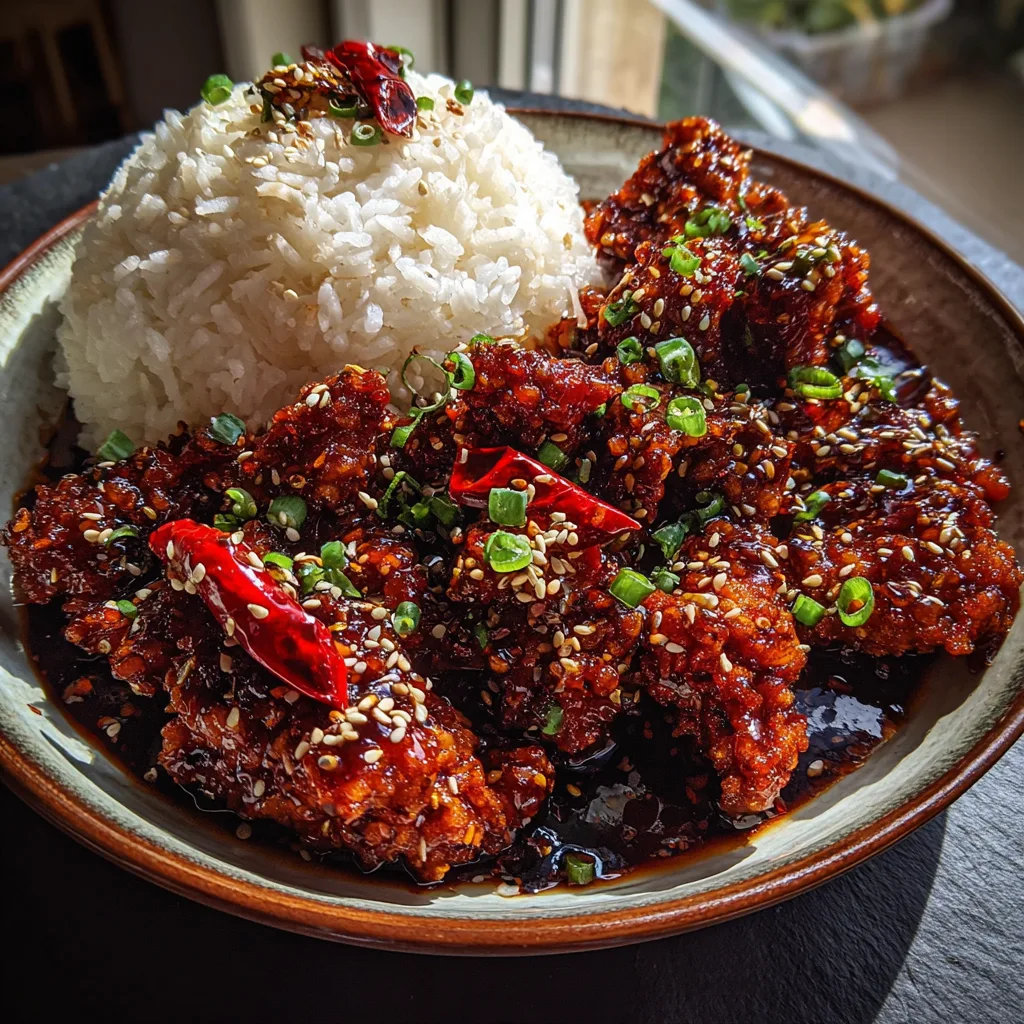
Dragon Chicken specifically is a relatively modern darling of this fusion genre. It typically consists of thin strips of boneless chicken (often cut to resemble the elongated shape of a dragon’s tail, hence the name, though theories on the name vary) that are marinated, coated in a cornstarch batter, and deep-fried until ultra-crispy. These golden strips are then tossed in a fiery, sticky wok-sauce made from soy sauce, chili paste, garlic, ginger, tomato ketchup (a hallmark of Indo-Chinese sauces), and a touch of sugar. The dish is heavily garnished with dried red chilies, fresh green scallions, and toasted sesame seeds.
Why You Will Love This Sticky, Spicy Chicken Recipe
There are myriad reasons why Dragon Chicken consistently ranks as a top-tier dinner choice. First is the textural masterpiece it presents. Humans are hardwired to love contrasting textures, and this dish delivers in spades. The chicken itself boasts a sturdy, crunchy exterior that gives way to tender, juicy meat inside. The sauce is thick and viscous, clinging to the nooks and crannies of the fried batter without immediately making it soggy. Then, you get the slight pop of toasted sesame seeds and the fresh, crisp bite of raw scallions scattered on top.
Flavor-wise, it hits all the major notes: salty from the soy sauce, sweet from the sugar and ketchup, sour from the vinegar, umami from the aromatics, and undeniably spicy from the dried chilies and chili paste. This complex harmony means that every bite is exciting, preventing palate fatigue and leaving you constantly craving “just one more piece.”
Furthermore, despite its exotic, restaurant-quality appearance, Dragon Chicken is incredibly straightforward to prepare. Once your ingredients are prepped and chopped (a crucial step in any stir-fry recipe), the actual cooking process is a rapid-fire sequence of frying and tossing that comes together in mere minutes.
The Secret to the Perfect Crispy Chicken
The foundation of great Dragon Chicken is the fry. If the chicken isn’t crispy, the dish falls flat. The secret lies in the batter and the frying technique.
Instead of a heavy flour-based batter, Indo-Chinese recipes rely heavily on cornstarch (or a mix of cornstarch and all-purpose flour). Cornstarch provides a much lighter, shatteringly crisp crust that holds up remarkably well to sticky sauces. The marinade itself acts as the liquid for the batter, usually binding together with a beaten egg.
For the absolute best results, cut your chicken into thin, uniform strips rather than thick cubes. This increases the surface area for the batter to cling to and ensures the chicken cooks through rapidly in the hot oil without drying out. Finally, ensure your oil is at the correct temperature (around 350°F to 375°F). Frying in batches is non-negotiable; overcrowding the pan drops the oil temperature, resulting in greasy, soggy chicken rather than a crisp, golden crust.
Mastering the Dragon Sauce
The dark, glossy, mahogany-red sauce is the soul of Dragon Chicken. It relies on a specific balance of pantry staples.
The Heat: The signature spice comes from two sources: a chili paste (like sambal oelek, sriracha, or a generic Asian garlic-chili paste) and whole dried red chilies. The dried chilies are briefly bloomed in hot oil at the start of the sauce-making process, infusing the cooking oil with a deep, smoky heat that permeates the entire dish.
The Sweet and Sour: Tomato ketchup might sound out of place in an Asian recipe, but it is an absolute necessity in Indo-Chinese cooking. It provides a sweet, tangy base, a beautiful red color, and a glossy thickness to the sauce. This is balanced with dark soy sauce for savory depth, a splash of rice vinegar for tang, and a pinch of white sugar to round out the fiery heat.
The Aromatics: Do not skimp on the ginger and garlic. They must be finely minced from fresh roots. Powdered versions simply will not provide the pungent, aromatic punch required to stand up to the heavy chili and soy flavors.
Ingredients You Will Need
To create this masterpiece, gather the following ingredients. Having everything measured out before you begin cooking (mise en place) is highly recommended.
For the Chicken and Marinade:
For the Dragon Sauce:
For the Garnish:
Step-by-Step Instructions
Follow these steps closely to ensure maximum crunch and perfect sauce consistency.
- Marinate the Chicken: In a large mixing bowl, combine the chicken strips, egg, cornstarch, all-purpose flour, dark soy sauce, salt, and black pepper. Toss vigorously until every piece of chicken is evenly coated in the thick, sticky batter. Let it marinate for at least 15 to 20 minutes at room temperature.
- Fry the Chicken: Heat about 2 inches of vegetable oil in a deep, heavy-bottomed pot or wok to 350°F (175°C). Carefully drop the chicken strips into the hot oil one by one to prevent them from clumping together. Fry in batches for 4 to 6 minutes, turning occasionally, until they are deep golden brown and exceptionally crispy. Remove with a slotted spoon and drain on a wire rack or paper towels.
- Bloom the Spices: Heat a clean wok or large skillet over medium-high heat. Add 2 tablespoons of oil. Toss in the whole dried red chilies and stir-fry for 15-20 seconds until they puff slightly and turn a darker shade of red (do not let them burn).
- Sizzle the Aromatics: Add the minced garlic, minced ginger, and the white parts of the chopped scallions to the wok. Stir-fry constantly for 30 seconds until the mixture is incredibly fragrant.
- Build the Sauce: Lower the heat to medium. Add the chili paste, tomato ketchup, dark soy sauce, rice vinegar, sugar, and chicken broth. Stir well to combine all the ingredients into a smooth, dark red sauce. Let the sauce simmer and bubble for 2 to 3 minutes until it thickens into a glossy, sticky glaze that can coat the back of a spoon.
- Toss and Glaze: Add the crispy fried chicken strips directly into the simmering sauce in the wok. Toss vigorously and continuously for about 1 minute, ensuring every single piece of chicken is heavily lacquered in the sticky red sauce.
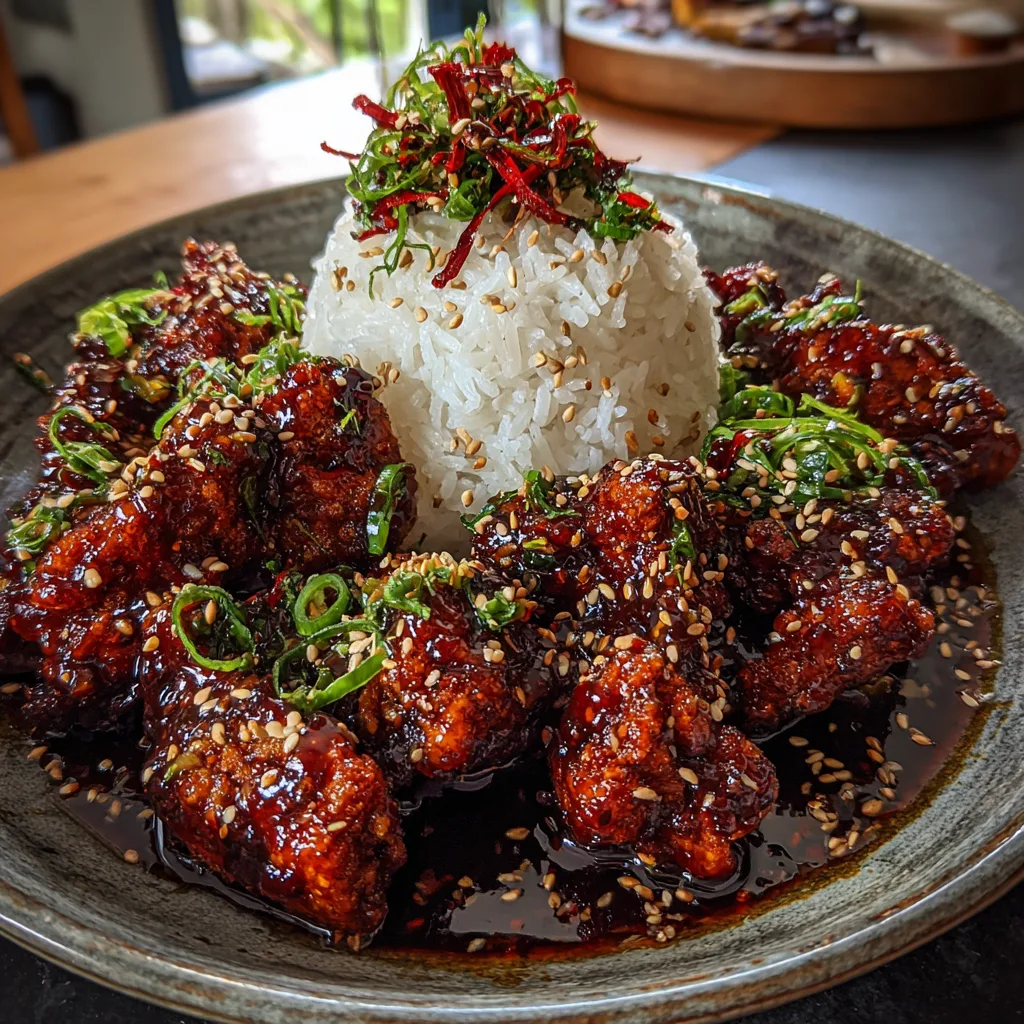
- Garnish and Serve: Turn off the heat. Immediately toss in the green parts of the scallions and the toasted sesame seeds. Serve immediately while piping hot!
Pro Tips for Restaurant-Quality Indo-Chinese Food at Home
The Double Fry Method: If you want chicken that stays crispy even the next day, employ the double-fry technique. Fry the chicken once until just cooked through (about 3 minutes), let it rest for 10 minutes, and then flash-fry it again in slightly hotter oil for 1-2 minutes until deeply golden. This draws out excess moisture from the crust.
Don’t Burn the Garlic: When stir-frying the aromatics, keep the heat manageable and keep the spatula moving. Burnt garlic will imbue the entire sauce with a harsh, bitter flavor that ruins the sweet and spicy balance.
Adjust the Viscosity: If your sauce reduces too quickly and becomes too thick before you add the chicken, splash in a tablespoon of water to loosen it up. If it is too thin, let it boil rapidly for an extra minute to evaporate the water.
Exciting Recipe Variations
One of the joys of cooking at home is customization. Dragon Chicken is highly adaptable to your personal preferences and dietary needs.
Air Fryer Dragon Chicken: To make a healthier, less oily version, you can air fry the chicken. Toss the marinated chicken with a tablespoon of oil to help it crisp. Air fry at 390°F (200°C) for 10-12 minutes, shaking the basket halfway through, until golden and crisp, then toss in the wok with the sauce.
Vegetarian/Vegan Dragon “Chicken”: Substitute the chicken with firm tofu, paneer (for a classic Indo-Chinese twist), cauliflower florets, or soy curls. The batter and sauce remain exactly the same, creating a magnificent plant-based feast.
Cashew Dragon Chicken: Many restaurants add toasted cashew nuts to the dish right at the end. The buttery crunch of the cashews pairs beautifully with the fiery sauce and provides an extra layer of texture.
What to Serve with Dragon Chicken
Because Dragon Chicken is so bold, sticky, and intensely flavored, it requires a neutral, starchy side dish to soak up the residual sauce and balance the palate.
The ultimate pairing is simple, fluffy, steaming hot jasmine or basmati white rice. The clean flavor of the rice acts as a blank canvas for the sticky chili sauce. If you want a full restaurant experience, serve it alongside Hakka Noodles (Indo-Chinese stir-fried noodles) or a classic vegetable fried rice.
To cut through the richness of the fried chicken, a side of simple steamed or garlicky stir-fried bok choy, broccoli, or snow peas adds a wonderful element of freshness and a vibrant pop of green to your plate.
Fun Facts and Cultural Context
Indo-Chinese food is a testament to the beautiful results of cultural assimilation. When the Hakka Chinese settled in Kolkata, they began opening restaurants. However, traditional subtle Chinese flavors didn’t initially draw massive local crowds. The ingenious chefs began incorporating local Indian ingredients—loads of green chilies, cilantro, ginger, garlic, and robust spices—into their stir-fries. They also invented dishes that don’t exist in China at all, such as Chicken Manchurian, Gobi Manchurian, and our beloved Dragon Chicken.
Today, Indo-Chinese food is not just a regional curiosity; it is one of the most popular cuisines across the entire Indian subcontinent, featured everywhere from upscale restaurants to bustling street-food stalls, celebrated for its bold, addictive, and deeply comforting flavor profile.
Frequently Asked Questions (FAQs)
Is Dragon Chicken exceptionally spicy?
It can be, but the beauty of making it at home is that you control the heat. If you prefer a milder dish, reduce the amount of chili paste and omit the whole dried red chilies entirely. The ketchup and sugar will naturally mellow out the remaining heat.
Can I make this recipe gluten-free?
Yes, very easily. Ensure your dark soy sauce is replaced with Tamari or a certified gluten-free soy sauce alternative. The batter relies on cornstarch, which is naturally gluten-free, so simply omit the 1 tablespoon of all-purpose flour (or substitute with rice flour for extra crunch).
How do I store and reheat leftovers?
Store any leftover Dragon Chicken in an airtight container in the refrigerator for up to 3 days. To reheat, the microwave works, but the chicken will lose its crispness. For better results, reheat it gently in a skillet over medium heat with a tiny splash of water until warmed through.
What is the difference between Dragon Chicken and General Tso’s Chicken?
While they look similar, their flavor profiles differ. General Tso’s is an American-Chinese invention that leans heavily on a sweeter, slightly tangier, hoisin-based sauce. Dragon Chicken is Indo-Chinese, relying more on chili paste, ketchup, and aggressive amounts of garlic and ginger, resulting in a spicier, more pungent dish.
Conclusion
Dragon Chicken is a phenomenal representation of how blending culinary traditions can create something entirely new and wildly delicious. By mastering the simple art of a cornstarch fry and balancing the fiery, sweet, and sticky elements of the sauce, you can produce a dish that rivals the best takeout in town. It is a show-stopping meal that looks incredibly impressive but requires very little time over the stove. So, gather your ingredients, heat up your wok, and prepare to be obsessed with the ultimate sweet and spicy chicken experience!
Dragon Chicken
Ingredients
Equipment
Method
- In a bowl, mix the chicken strips, egg, cornstarch, flour, 1 tbsp soy sauce, salt, and pepper. Toss well and let marinate for 15-20 minutes.
- Heat 2 inches of vegetable oil in a heavy pot to 350°F (175°C). Fry the chicken in batches for 4-6 minutes until deep golden and crispy. Drain on a wire rack.
- In a large wok or skillet, heat 2 tbsp of oil over medium-high heat. Add the whole dried red chilies and stir-fry for 15 seconds until they puff slightly.
- Add the minced garlic, minced ginger, and the white parts of the scallions. Stir-fry for 30 seconds until very fragrant.
- Lower heat to medium. Add chili paste, ketchup, 1 tbsp soy sauce, rice vinegar, sugar, and chicken broth. Simmer for 2 minutes until the sauce becomes thick and glossy.
- Add the crispy fried chicken directly into the wok. Toss vigorously for 1 minute until all chicken pieces are heavily coated in the sticky sauce.
- Turn off the heat. Stir in the green parts of the scallions and the toasted sesame seeds. Serve immediately hot with steamed white rice.