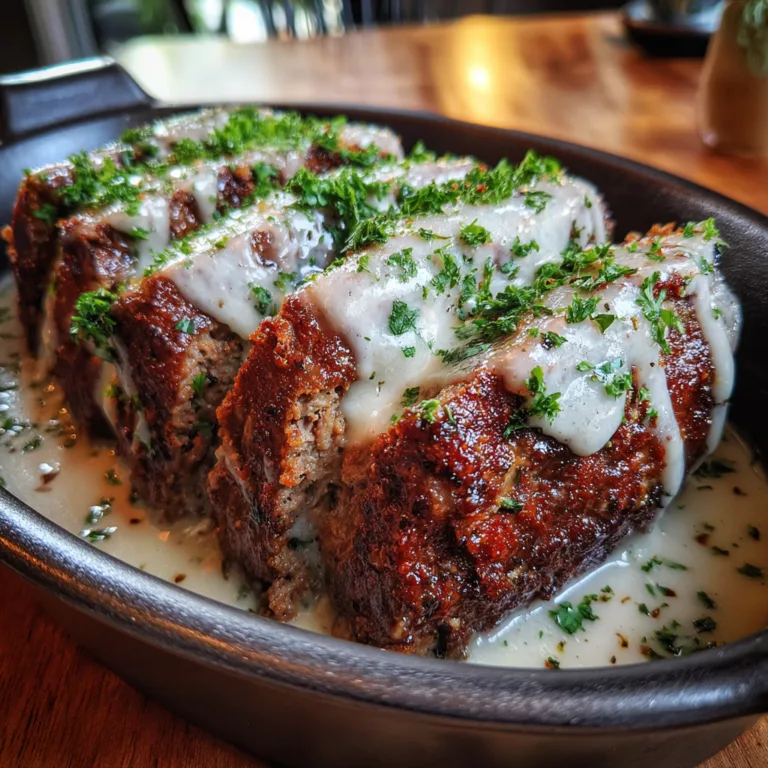
Summer Lemon Pizza
The Ultimate Refreshing Summer Lemon Pizza Recipe
When you think of pizza, your mind likely jumps straight to rich, bubbling tomato sauce, heavy meats, and cozy winter nights. However, the culinary world of pizza is vast, beautiful, and heavily influenced by the seasons. Enter the Summer Lemon Pizza—a bright, zesty, and incredibly refreshing take on the classic Italian pie that will completely revolutionize your warm-weather dinner menu. If you have never experienced the magic of thinly sliced, roasted lemons mingling with creamy, melted mozzarella and a hint of garlic, you are in for an absolute treat.
This comprehensive guide will walk you through every single step, secret, and technique needed to create a restaurant-quality Summer Lemon Pizza right in your own kitchen. Whether you are hosting an elegant backyard dinner party, looking for a unique vegetarian family dinner, or simply trying to use up the lemons sitting on your counter, this recipe will quickly become your new seasonal staple. Let’s dive deep into the world of citrus-infused savory baking!
Why Put Lemon on a Pizza?
At first glance, putting fruit—specifically a highly acidic fruit like lemon—on a pizza might seem controversial. We are used to pineapple causing debates, but lemon? The truth is, the concept of lemon on savory flatbreads has deep roots in Mediterranean and Southern Italian cuisine, particularly along the Amalfi Coast where lemons grow to the size of grapefruits and are revered for their culinary versatility.

The culinary science behind this pairing is actually quite brilliant. A traditional “white pizza” (pizza bianca) relies heavily on rich, fatty ingredients like olive oil, mozzarella, provolone, and sometimes ricotta or parmesan. While delicious, these fats can become heavy on the palate. The introduction of thin, whole lemon slices introduces a necessary, bright acidity that cuts straight through the richness of the cheese. As the pizza bakes in a scorching hot oven, the lemon slices undergo a transformation. The rind softens, the sugars slightly caramelize, and the intense sourness mellows out into a complex, fragrant, and slightly tart flavor profile that perfectly balances the savory, salty cheese. It is a masterpiece of flavor pairing.
Choosing the Right Ingredients for Summer Lemon Pizza
Because this pizza does not hide behind a heavy, slow-simmered tomato sauce, the quality of your ingredients is absolutely paramount. Here is a breakdown of what you need and why.
The Lemons
Not all lemons are created equal, especially when they are the star of the show. You want organic lemons if possible, since you will be eating the rind. Meyer lemons are widely considered the holy grail for this recipe. They are a cross between a regular lemon and a mandarin orange, meaning their skin is thinner, less bitter, and the flesh is slightly sweeter. If you cannot find Meyer lemons, standard Eureka lemons will work, but you must ensure they are sliced paper-thin to mitigate any excessive bitterness from the white pith.
The Cheese Blend
A successful lemon pizza relies on a blend of melting cheese and flavor cheese. Whole milk, low-moisture mozzarella provides the beautiful, stringy melt and golden-brown blisters we all crave. To complement the mozzarella, a sharp, aged provolone or a dusting of high-quality Parmigiano-Reggiano adds a necessary salty, nutty bite. Some variations also dollop creamy ricotta across the dough before baking to add a luxurious, milky texture that pairs beautifully with the citrus.
The Dough
While a store-bought dough can work in a pinch for a quick weeknight dinner, a homemade Neapolitan-style or cold-fermented dough will elevate this dish to artisanal levels. The dough needs to be sturdy enough to hold the cheeses and oils, but airy enough to provide a satisfying, crispy crunch at the crust. The slight yeasty tang of a well-fermented dough perfectly echoes the tang of the lemons.
The Herbs and Aromatics
Fresh parsley is the visual and aromatic finisher for this dish. Its clean, slightly peppery, and earthy flavor grounds the high-flying acidity of the lemon. Additionally, a robust garlic-infused olive oil serves as the base layer, acting as the “sauce” that binds the crust to the toppings.
Ingredients You Will Need
- – 1 pound (16 oz) pizza dough (homemade or high-quality store-bought, brought to room temperature)
- – 1 medium organic lemon (preferably Meyer), washed thoroughly
- – 3 tablespoons extra-virgin olive oil
- – 2 cloves fresh garlic, finely minced or grated
- – 1.5 cups whole milk low-moisture mozzarella cheese, freshly shredded
- – 1/2 cup provolone cheese, freshly shredded (or substitute with Fontina)
- – 1/4 cup Parmigiano-Reggiano, finely grated
- – 1/4 cup fresh flat-leaf parsley, finely chopped
- – 1/2 teaspoon flaky sea salt (like Maldon)
- – 1/4 teaspoon freshly cracked black pepper
- – Cornmeal or semolina flour (for dusting the pizza peel or pan)
Step-by-Step Instructions
- Prepare Your Oven and Stone: Place a pizza stone or a heavy inverted baking sheet on the middle rack of your oven. Preheat the oven to its maximum temperature, usually between 450°F and 500°F (230°C to 260°C). Allow the stone to heat for at least 45 minutes to ensure a crispy crust.
- Prepare the Garlic Oil: In a small bowl, whisk together the 3 tablespoons of extra-virgin olive oil and the minced garlic. Let this sit for at least 15 minutes so the oil absorbs the pungent garlic flavor.
- Slice the Lemon: This is a crucial step. Using a mandoline slicer or a very sharp chef’s knife, slice the lemon into paper-thin rounds. Carefully pick out and discard any seeds. If your lemon slices are too thick, the pizza will be overly bitter and difficult to chew.
- Stretch the Dough: On a lightly floured surface, gently stretch or roll your room-temperature pizza dough into a 12-inch circle. If the dough snaps back, cover it with a towel and let it rest for 5 minutes before trying again.
- Transfer the Dough: Sprinkle a pizza peel (or the back of a flat baking sheet) generously with cornmeal or semolina flour. Gently transfer your stretched dough onto the peel. Shake it slightly to ensure the dough is not sticking; it needs to slide easily into the oven.
- Build the Pizza: Using a pastry brush, coat the entire surface of the dough with the garlic-infused olive oil, going all the way to the edges. Sprinkle an even layer of the shredded mozzarella and provolone cheeses over the dough, leaving a small border for the crust.
- Arrange the Lemons: Distribute the paper-thin lemon slices evenly across the top of the cheese layer. Do not overlap them too much, or those spots will become too acidic. Sprinkle the grated Parmigiano-Reggiano lightly over the top.
- Bake the Pizza: Carefully slide the pizza off the peel and directly onto the preheated pizza stone in the oven. Bake for 10 to 14 minutes. Keep a close eye on it; you are looking for the crust to puff up and turn deep golden brown, the cheese to be bubbling and speckled with brown spots, and the edges of the lemon slices to be slightly caramelized.
- Garnish and Serve: Remove the pizza from the oven using the peel. Immediately sprinkle the finely chopped fresh parsley over the hot pizza so the residual heat releases the herb’s essential oils. Finish with a sprinkle of flaky sea salt and freshly cracked black pepper. Let the pizza rest for 3 to 5 minutes before slicing into wedges and serving hot.
Expert Tips for the Perfect Summer Lemon Pizza
Making a pizza seems simple, but the devil is in the details. Here are some expert tips to ensure your Summer Lemon Pizza turns out flawlessly every single time.
Temperature is Everything: Home ovens do not reach the blistering 900°F temperatures of commercial wood-fired pizza ovens. To compensate, you must let your oven preheat for a long time. The pizza stone needs to be screaming hot so that the dough begins to cook the millisecond it makes contact. This is what creates oven spring (the puffy crust) and prevents a soggy bottom.
Dry Your Lemons: Even after slicing them thinly, lemons contain a lot of juice. If they are excessively wet, they can make the top of your pizza soggy. Try laying your thin lemon slices on a paper towel and gently patting them dry before placing them on the pizza.
Grate Your Own Cheese: Pre-shredded cheese in bags is coated with anti-caking agents like potato starch or cellulose. These powders prevent the cheese from clumping in the bag, but they also prevent the cheese from melting together smoothly on your pizza. Always buy block cheese and shred it yourself for the creamiest, most luxurious texture.
Exciting Variations to Try
While the base recipe is stellar on its own, this Summer Lemon Pizza serves as a fantastic canvas for other seasonal ingredients. Here are a few ways to customize your pie:
- The Spicy Lemon: Add half a teaspoon of crushed red pepper flakes to your garlic oil before brushing it on the dough. The heat plays wonderfully with the bright citrus.
- The Mediterranean: Add a handful of pitted, halved Kalamata olives and some thinly sliced red onions to the pizza before baking. Finish with a sprinkle of feta cheese upon removing it from the oven.
- The Prosciutto & Arugula: Bake the lemon pizza as directed. As soon as it comes out of the oven, drape delicate slices of prosciutto di Parma over the top, and pile on a handful of fresh baby arugula lightly dressed in lemon juice and olive oil. The heat of the pizza will slightly wilt the arugula and warm the prosciutto.
- The Herb Garden: Don’t limit yourself to parsley. Fresh basil, thyme, or even a tiny amount of fresh rosemary work beautifully with lemon and garlic.
What to Serve with Summer Lemon Pizza
Because this pizza is inherently bright and somewhat rich from the cheeses, you want to pair it with sides that complement rather than overpower it. A simple green salad is the classic choice. Think mixed summer greens tossed with a light vinaigrette made from white wine vinegar, olive oil, and a touch of Dijon mustard.
If you are serving this at a summer barbecue, it pairs wonderfully alongside grilled asparagus or charred zucchini. For beverages, the pairing is a no-brainer: a crisp, dry white wine. A chilled Pinot Grigio, a Sauvignon Blanc, or an Italian Vermentino will echo the citrus notes of the pizza brilliantly. If you prefer non-alcoholic options, a sparkling water with cucumber and mint, or an icy glass of iced tea will perfectly round out the meal.
Frequently Asked Questions (FAQs)
Do I eat the lemon rind on the pizza?
Yes! Because you slice the lemons incredibly thin and roast them at a high temperature, the rind softens and becomes completely edible. It provides a wonderful, complex bitterness that balances the rich cheese. If you are very sensitive to bitterness, stick exclusively to Meyer lemons.
Can I use a store-bought crust?
Absolutely. While homemade dough is wonderful, a good quality store-bought fresh dough (often found in the deli or bakery section of the grocery store) works perfectly. Just be sure to let it come to room temperature before stretching it, or it will constantly shrink back.
Can I make this pizza vegan?
Yes, you can adapt this. Use a high-quality vegan mozzarella alternative that melts well. You may want to add a sprinkle of nutritional yeast to mimic the savory depth of the Parmigiano-Reggiano.

How do I reheat leftover lemon pizza?
Never use the microwave! The crust will become rubbery. To restore the pizza to its former crispy glory, heat a skillet over medium heat on the stove. Place a slice of pizza in the dry skillet for a few minutes until the crust crisps up. Then, add a few drops of water to the pan (away from the pizza), cover it with a lid, and let the steam melt the cheese for about 60 seconds.
Conclusion
The Summer Lemon Pizza is more than just a meal; it is an experience that captures the essence of warm, sunny days and relaxed evenings. It challenges the traditional notions of what a pizza should be and rewards the adventurous home cook with a burst of sophisticated, balanced flavors. By following this guide, sourcing great ingredients, and paying attention to the details of your oven temperature and lemon thickness, you are guaranteed to impress your family and friends. So, preheat that oven, roll out some dough, and embrace the bright, zesty joy of summer cooking!
Summer Lemon Pizza
Ingredients
Equipment
Method
- Preheat your oven with a pizza stone inside to its highest setting (450°F to 500°F) for at least 45 minutes.
- In a small bowl, mix the olive oil and minced garlic. Let it infuse while you prep the rest of the ingredients.
- Using a mandoline or very sharp knife, slice the lemon into paper-thin rounds. Remove any seeds.
- On a lightly floured surface, stretch the pizza dough into a 12-inch circle. Transfer to a peel dusted with cornmeal.
- Brush the dough generously with the garlic-infused olive oil. Top evenly with shredded mozzarella and provolone cheeses.
- Arrange the paper-thin lemon slices over the cheese. Sprinkle the grated Parmigiano-Reggiano on top.
- Slide the pizza onto the hot stone in the oven. Bake for 10-14 minutes until the crust is golden and cheese is bubbly.
- Remove from oven and immediately top with fresh chopped parsley, sea salt, and black pepper. Let rest briefly before slicing.