Tropical Sunset Layered Mocktail
The Ultimate Tropical Layered Sunset Mocktail Recipe
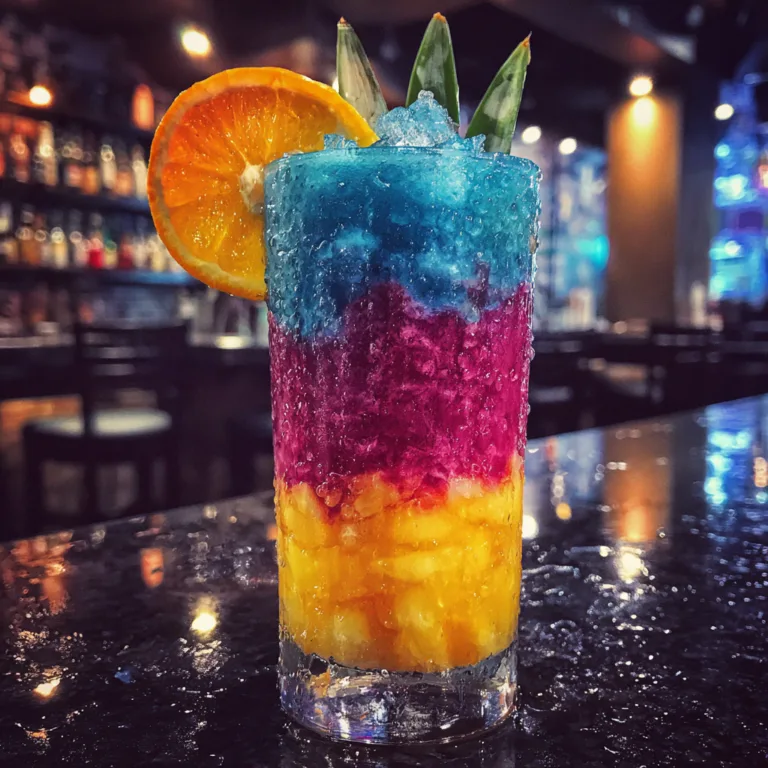
There is something undeniably magical about a beverage that captures the exact color palette of a tropical sunset. If you have ever been to a beach resort, you have likely marveled at the stunning, multi-colored drinks served in tall, condensation-covered glasses, garnished with vibrant flowers and colorful straws. Today, we are bringing that exact vacation experience straight to your kitchen with this spectacular Tropical Layered Sunset Mocktail recipe. Not only is this drink a visual masterpiece with its distinct layers of deep magenta, glowing orange, and brilliant ocean blue, but it is also completely non-alcoholic, making it the perfect refreshing treat for guests of all ages.
In this comprehensive guide, we will dive deep into the art and science of drink layering. You will learn the exact techniques professional bartenders use to keep colors from mixing, how to choose the right ice, and how to balance sweet and tart flavors to create a mocktail that tastes just as incredible as it looks. Whether you are hosting a summer backyard barbecue, planning a luau-themed birthday party, or simply treating yourself to a “staycation” afternoon on the patio, this recipe will be your ultimate go-to beverage.

The Science of Layering: Understanding Specific Gravity
Before we get to the ingredients and instructions, it is crucial to understand why drinks layer in the first place. It is not magic; it is pure physics. The secret to a perfect layered drink lies in a concept called “specific gravity,” which is essentially the density of the liquids you are using. Liquids with a higher sugar content are heavier and denser than liquids with less sugar. Therefore, the heaviest liquids will naturally sink to the bottom of the glass, while the lighter liquids will float on top.
In our Tropical Sunset Mocktail, we rely heavily on this principle. The bottom layer is grenadine, a pomegranate-flavored syrup that is incredibly dense and heavy with sugar. Because of its high specific gravity, it anchors the drink. The middle layer consists of fruit juices—specifically a blend of orange and pineapple juice. These contain natural fruit sugars, making them lighter than the grenadine syrup but heavier than water. The final top layer is a mixture of non-alcoholic blue curaçao syrup diluted with sparkling water or club soda. The carbonated water is the lightest liquid of the bunch, allowing the blue layer to rest gently on top of the orange juice without immediately bleeding into it.
Ingredients You Will Need
To create this stunning three-tiered masterpiece, you will need a few specific ingredients. Sourcing high-quality components will ensure both vibrant colors and delicious flavors.
- – 2 ounces Grenadine syrup (traditional pomegranate-based syrup)
- – 4 ounces Orange juice (pulp-free is highly recommended for a clean look)
- – 2 ounces Pineapple juice (adds a necessary tropical tartness)
- – 1 ounce Non-alcoholic Blue Curaçao syrup
- – 3 ounces Sparkling water, club soda, or lemon-lime soda (chilled)
- – 2 cups Crushed ice (do not use large cubes; crushed ice is essential)
- – Edible tropical flowers (such as hibiscus or plumeria, for garnish)
- – Fresh fruit slices (optional, for garnish)
Choosing the Right Glassware and Ice
The visual impact of this mocktail relies heavily on the vessel it is served in. You must use a tall, clear glass. A highball glass, a Collins glass, or a hurricane glass works best. The height is necessary to give each layer enough room to establish itself and to show off the beautiful gradient effect. Avoid wide, short glasses like rocks glasses, as the layers will compress and blend too quickly.
Just as important as the glass is the ice. For layered drinks, crushed ice or pebble ice is absolutely mandatory. Large, solid ice cubes will displace the liquid too aggressively when you pour, causing the layers to mix. Crushed ice, on the other hand, acts as a physical barrier. It slows down the flow of the liquid as you pour it into the glass, diffusing the impact and allowing the lighter liquids to gently pool on top of the heavier ones. If your refrigerator does not produce crushed ice, simply place regular ice cubes in a clean zip-top bag and gently smash them with a rolling pin or a mallet until you have coarse, pebble-sized pieces.
Step-by-Step Instructions
The technique is everything when it comes to this recipe. Follow these steps meticulously, and remember that patience is key. Pouring too fast is the enemy of the layered drink.
- Prepare your workspace and chill your glass: Start by placing your tall highball glass in the freezer for about 10 minutes. A chilled glass helps keep the ingredients cold, which subtly increases their density and helps maintain the distinct layers.
- Add the base layer: Remove the glass from the freezer. Pour the 2 ounces of grenadine syrup directly into the bottom of the empty glass. Do not splash it up the sides.
- Add the ice: Carefully fill the glass to the very brim with crushed ice. Be gentle so you do not disturb the grenadine at the bottom. The ice should be packed relatively tight.
- Mix the middle layer: In a separate small shaker or measuring cup, mix together the 4 ounces of pulp-free orange juice and the 2 ounces of pineapple juice. Stir them together until well combined.
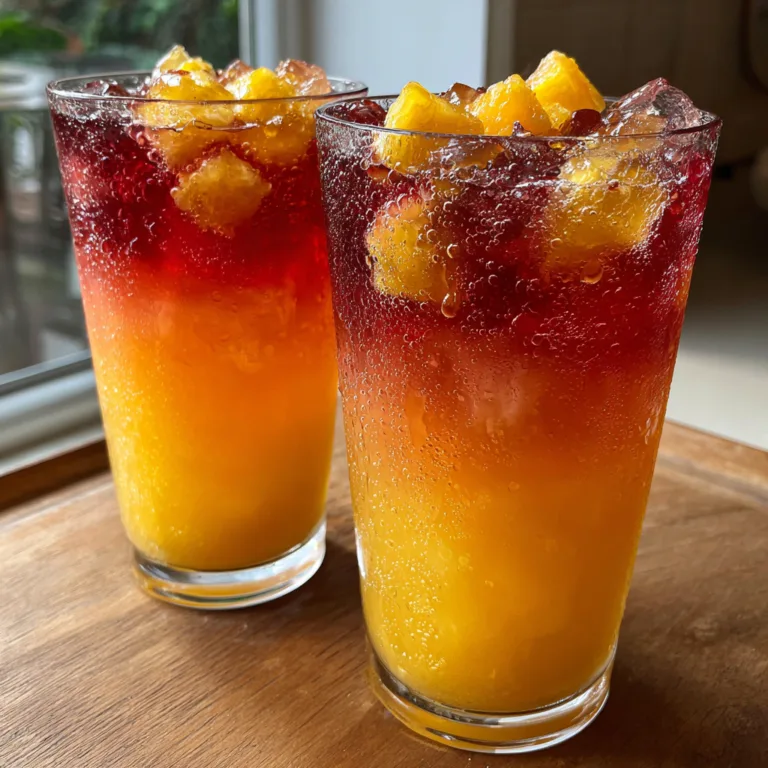
- The Spoon Pour (Middle Layer): Take a bar spoon (or a regular spoon turned upside down). Hold the spoon right above the ice, touching the inside edge of the glass. Very slowly, pour the orange-pineapple juice mixture over the back of the spoon. Let the liquid gently trickle down the ice. Pouring it over the spoon diffuses the force of the liquid, preventing it from crashing into the grenadine. You should see a beautiful red and orange separation.
- Mix the top layer: In another clean measuring cup, gently stir together the 1 ounce of non-alcoholic blue curaçao syrup and the 3 ounces of sparkling water or lemon-lime soda. Do not shake it, as you will lose the carbonation.
- The Spoon Pour (Top Layer): Repeat the spoon technique. Hold the back of the spoon just above the orange juice layer, resting against the ice. Incredibly slowly, trickle the blue curaçao and soda mixture over the spoon. Because it is mixed with light sparkling water, it will float perfectly on top of the heavier juices, creating a stunning blue canopy over the orange sunset.
- Garnish and serve: Carefully slide a metal or glass reusable straw into the drink. Garnish the rim of the glass with a clean, food-safe tropical flower. Serve immediately while the layers are distinct and the glass is frosty.
Expert Tips for Perfect Drink Layering
Even with the right specific gravity, layering can sometimes be tricky. If you are struggling to get a clean line between your colors, consider these expert bartender tips:
Temperature Matters: Cold liquids are slightly denser than warm liquids. Ensure all your juices and sodas are thoroughly chilled in the refrigerator before you start building the drink. This slight edge in density can be the difference between a muddy drink and a perfectly crisp layered mocktail.
The Slow Pour is Non-Negotiable: We cannot stress enough how slowly you must pour the upper layers. If you think you are pouring slowly, pour even slower. A pour spout on your measuring cups can drastically help control the flow of the liquid.
Pulp is the Enemy of Layers: Always use pulp-free orange juice. The pulp in juice adds irregular weight and texture, which can drag the top layers down into the bottom layers, ruining the gradient effect. If you only have freshly squeezed juice with pulp, strain it through a fine-mesh sieve before using it in this recipe.
Flavor Variations and Customizations
One of the best things about this Tropical Sunset Mocktail is how adaptable it is. Once you master the basic density principles (heavy syrup on bottom, fruit juice in the middle, carbonated water/light liquid on top), you can experiment with endless flavor combinations.
The Peachy Sunset: Swap out the orange and pineapple juice mix for a blend of peach nectar and mango juice. Keep the grenadine at the bottom, and use a float of sparkling coconut water on top instead of the blue curaçao.
The Berry Oasis: For a completely different flavor profile and color palette, try blackberry syrup at the bottom, lemonade in the middle, and a top layer made of iced butterfly pea flower tea. Butterfly pea tea is naturally blue and very light in density, making it an excellent natural alternative to blue curaçao syrup.
The Adult Version (Cocktail Conversion): If you wish to turn this mocktail into an alcoholic cocktail for the adults at the party, the density rules still apply, but you must factor in the alcohol. Alcohol is lighter than water. For the bottom layer, use the grenadine. For the middle, mix your juices with 1.5 ounces of light white rum. For the top blue layer, use alcoholic Blue Curaçao liqueur mixed with a splash of soda water. The alcohol will help the blue layer float even better.
Serving Suggestions and Food Pairings
This mocktail is a showstopper, and it deserves to be the centerpiece of your gathering. Because it is highly visual and quite sweet, it pairs wonderfully with savory, salty, and spicy foods that contrast its fruity flavor profile.
If you are hosting a summer barbecue, serve this mocktail alongside grilled jerk chicken skewers, spicy shrimp tacos, or a savory pulled pork sandwich. The sweetness of the pineapple and orange juice acts as a fantastic palate cleanser for spicy and smoky barbecue flavors. For a lighter afternoon snack pairing, serve it with a fresh ceviche, salty tortilla chips with mango salsa, or a crisp summer salad topped with grilled halloumi cheese.
The Cultural Context of Tropical Drinks
The visual style of this layered mocktail heavily borrows from “Tiki” cocktail culture, which originated in the United States in the 1930s. Pioneers like Donn Beach and Victor Bergeron (Trader Vic) created elaborate, multi-ingredient drinks designed to transport patrons to an idealized version of the Polynesian islands. These drinks were characterized by their use of fresh tropical juices, elaborate garnishes, and stunning visual presentations.
While traditional Tiki drinks are heavily rum-based, modern mixology has thankfully embraced the mocktail movement, allowing everyone to enjoy the fun, theatrical nature of these beverages without the alcohol. The layered sunset drink is a modern evolution of this culture—prioritizing aesthetics, fresh flavors, and a sense of escapism. When you serve this drink, you are offering your guests a mini-vacation in a glass.
Frequently Asked Questions (FAQs)
Why did my colors mix together immediately?
There are usually three culprits for this: pouring too fast, not using enough ice, or using liquids with the wrong sugar densities. Make sure your glass is packed to the top with crushed ice, and pour the middle and top layers excruciatingly slowly over the back of a spoon. Also, verify that your grenadine is a thick syrup, not a watered-down juice.
Can I make a large batch of this in a pitcher?
Unfortunately, layered drinks do not scale well in pitchers. The magic of the specific gravity relies on the narrow confines of a highball glass and the structure of the crushed ice. If you try to make this in a pitcher, the force of pouring it into individual glasses will mix the layers. It is best to build these drinks individually, right before serving.
How do you drink it? Do you mix it up?
This is the great debate of layered drinks! The presentation is all about the layers, but the flavor is best when combined. The proper etiquette is to serve the drink fully layered with a straw. The guest can admire the beauty of the drink, take a few photos, and then use the straw to stir the layers together before drinking so they get a balanced sip of grenadine, juice, and sparkling soda.
Is there a natural alternative to blue curaçao syrup?
Yes! If you want to avoid artificial food dyes, you can brew strong Butterfly Pea Flower tea. This natural tea brews a brilliant, deep blue color. Since it is just water, it is very light and will float beautifully on top of the juices. Be aware that butterfly pea tea turns purple when it comes into contact with acid (like citrus juice), so the boundary where it meets the orange juice might develop a cool purple gradient!

Conclusion
Mastering the Tropical Layered Sunset Mocktail is an incredibly rewarding culinary trick. With just a basic understanding of liquid density, a gentle pouring technique, and the right crushed ice, you can elevate your hosting skills and create a beverage that looks like it came from a high-end beach resort. It is a feast for the eyes and the palate, blending the deep sweetness of pomegranate with bright tropical citrus and a refreshing sparkling finish. Gather your ingredients, chill your glasses, and get ready to impress your family and friends with this stunning, thirst-quenching masterpiece.
Tropical Layered Sunset Mocktail
Ingredients
Equipment
Method
- Place a tall highball glass in the freezer for 10 minutes to chill.
- Pour the grenadine syrup directly into the bottom of the chilled glass.
- Carefully fill the glass completely to the top with crushed ice, being careful not to disturb the syrup.
- In a small measuring cup, stir together the orange juice and pineapple juice.
- Hold a bar spoon upside down over the ice. Very slowly pour the juice mixture over the back of the spoon to create the second layer.
- In another cup, gently mix the blue curaçao syrup and the sparkling water.
- Using the same inverted spoon technique, incredibly slowly trickle the blue sparkling mixture over the orange juice layer.
- Garnish with a tropical flower and a metal straw. Serve immediately and instruct guests to stir before drinking.