Marshmallow Whip Cheesecake
The Ultimate Marshmallow Whip Cheesecake Guide
There is something undeniably magical about the combination of a dense, rich cream cheese filling and a cloud-like, airy marshmallow topping. The Marshmallow Whip Cheesecake is a masterpiece of textures and flavors. It bridges the gap between classic New York-style cheesecake and the nostalgic, whimsical joy of marshmallow treats. Whether you are baking for a holiday, a family gathering, or simply because you crave a show-stopping dessert, this recipe delivers on every front. The buttery crunch of the graham cracker crust provides the perfect foundation for the tangy, velvety cream cheese center, all crowned by a sweet, pillowy marshmallow whip that melts in your mouth.
In this comprehensive guide, we will walk you through everything you need to know to perfect this stunning dessert. From understanding the science of a crack-free cheesecake to mastering the delicate fold of the marshmallow whip, no detail will be spared. Get ready to elevate your baking repertoire and impress anyone lucky enough to get a slice.
Why This Recipe Works
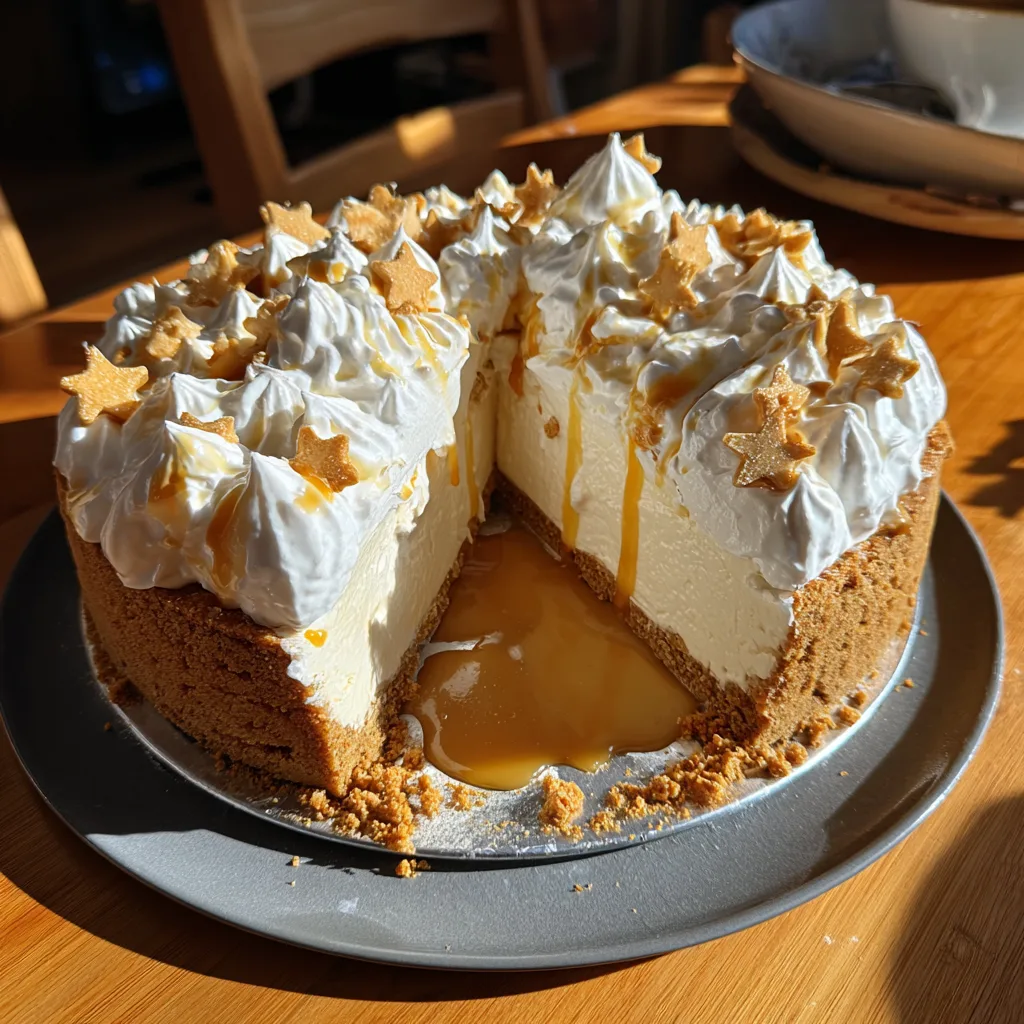
Cheesecakes can often feel intimidating, but the architecture of this specific dessert is designed for success. The traditional graham cracker crust is pre-baked just enough to hold its shape and offer a textural contrast to the soft layers above it. The cheesecake base itself relies on full-fat cream cheese and a touch of sour cream, which introduces a necessary acidity to cut through the heavy richness of the dairy and the extreme sweetness of the marshmallow topping. By baking the cheesecake slowly and allowing it to cool gradually, you prevent the dreaded surface cracks. Finally, the marshmallow whip—a simple yet brilliant combination of stabilized whipped cream and marshmallow fluff—adds height, visual appeal, and a delicate sweetness without requiring a candy thermometer or complex Italian meringue techniques.
Essential Ingredients for the Perfect Bake
Quality matters when it comes to cheesecake. Since the ingredient list is relatively short, each component plays a starring role. Here is exactly what you need:
For the Crust:
- – 2 cups graham cracker crumbs (about 14-16 full sheets, crushed fine)
- – 1/3 cup granulated sugar
- – 1/2 cup (1 stick) unsalted butter, melted
- – A pinch of salt
For the Cheesecake Filling:
- – 32 oz (four 8-oz blocks) full-fat cream cheese, softened to room temperature
- – 1 cup granulated sugar
- – 1 cup sour cream, at room temperature
- – 1 tablespoon vanilla extract
- – 4 large eggs, at room temperature
For the Marshmallow Whip Topping:
- – 1 1/2 cups heavy whipping cream, cold
- – 1 jar (7 to 7.5 oz) marshmallow creme or fluff
- – 1 teaspoon vanilla extract
- – 1/4 cup powdered sugar (optional, for extra stability)
Step-by-Step Instructions
Follow these instructions closely to ensure a flawless, creamy, and beautifully layered Marshmallow Whip Cheesecake.
- Prepare the Pan and Oven: Preheat your oven to 325°F (163°C). Generously grease a 9-inch springform pan with non-stick spray or butter. For extra leak protection, wrap the outside bottom of the pan tightly with heavy-duty aluminum foil.
- Mix the Crust: In a medium bowl, combine the graham cracker crumbs, granulated sugar, melted butter, and a pinch of salt. Stir until the mixture resembles wet sand and holds together when squeezed.
- Press and Bake the Crust: Pour the crumb mixture into the prepared springform pan. Use the bottom of a measuring cup or glass to press the crumbs firmly into an even layer on the bottom and slightly up the sides of the pan. Bake for 10 minutes, then remove from the oven and let it cool slightly while you prepare the filling.
- Beat the Cream Cheese: In the bowl of a stand mixer fitted with a paddle attachment (or using a hand mixer), beat the softened cream cheese on medium speed until perfectly smooth and creamy, about 2-3 minutes. Scrape down the sides of the bowl to ensure no lumps remain.
- Add Sugar and Flavorings: Add the granulated sugar, sour cream, and vanilla extract to the cream cheese. Beat on medium speed until well combined and completely smooth.
- Incorporate the Eggs: Turn the mixer to low speed. Add the eggs one at a time, mixing just until the yellow of the yolk disappears before adding the next. Do not overmix at this stage, as incorporating too much air can cause the cheesecake to puff up and then sink or crack.
- Bake the Cheesecake: Pour the cheesecake batter over the slightly cooled crust. Smooth the top with a spatula. Place the springform pan into the oven. (Optional: Place a roasting pan with 1 inch of boiling water on the bottom rack of the oven to create a humid environment, which prevents cracking). Bake for 55-70 minutes. The edges should be set, but the center 2-3 inches should still have a slight jiggle.
- Cool Gradually: Turn the oven off, crack the oven door open about an inch, and leave the cheesecake inside for 1 hour. After an hour, remove it from the oven and let it cool completely on a wire rack at room temperature. Once cooled, cover loosely and refrigerate for at least 6 hours, preferably overnight.
- Prepare the Marshmallow Whip: Once the cheesecake is fully chilled and set, prepare the topping. In a large, chilled bowl, whip the cold heavy cream, powdered sugar, and vanilla extract until stiff peaks form. Gently fold in the marshmallow creme until fully incorporated. The mixture should be thick, fluffy, and hold its shape.
- Decorate and Serve: Remove the cheesecake from the springform pan. Spread a thick, generous layer of the marshmallow whip over the top of the chilled cheesecake. Transfer the remaining whip to a piping bag fitted with a large star tip and pipe decorative dollops around the border. Slice with a sharp, warm knife and serve immediately.
Pro-Tips for Cheesecake Perfection
Creating a bakery-worthy cheesecake at home requires a little bit of finesse. Here are the crucial tips to ensure your dessert turns out perfectly every time:
Room Temperature Ingredients are Non-Negotiable: The most common cause of a lumpy cheesecake is cold cream cheese. Ensure your cream cheese, sour cream, and eggs have been sitting at room temperature for at least two hours before you begin. If you try to mix cold cream cheese, you will end up with stubborn white lumps that will never smooth out, ruining the silky texture.
Do Not Overmix the Eggs: Once you add the eggs, your goal is simply to incorporate them into the batter. Mixing eggs on high speed whips air into the batter. While baking, these trapped air bubbles will expand, causing the cheesecake to rise like a soufflé, only to collapse and crack as it cools.
The Jiggle Test: Knowing when to pull a cheesecake from the oven is an art. You do not want it to look completely solid. The outer edges should look puffed and set, but the inner 2 to 3 inches should jiggle like set gelatin when you gently tap the side of the pan. It will continue to cook as it cools.
The Slow Cool Down: Sudden temperature changes are the enemy of cheesecakes. Leaving the cake in the turned-off oven with the door cracked allows it to acclimate slowly to room temperature, drastically reducing the chances of surface cracks.
Creative Variations to Try
While the classic vanilla bean and marshmallow flavor profile is divine, this recipe serves as an excellent canvas for customization. Consider these exciting variations:
Chocolate S’mores Cheesecake: Transform this into a campfire classic. Swap the regular graham crackers for chocolate graham crackers. Add 1 cup of melted, cooled semi-sweet chocolate to the cheesecake batter before pouring it over the crust. Once you top it with the marshmallow whip, use a kitchen torch to lightly toast the marshmallow topping for that authentic s’mores flavor.
Berry Swirl: Before baking, dollop 1/2 cup of raspberry or strawberry preserves over the top of the cheesecake batter. Use a butter knife to gently swirl the jam into the batter, creating a marbled effect. The tartness of the berries pairs wonderfully with the sweet marshmallow whip.
Lemon Marshmallow: Add 2 tablespoons of fresh lemon zest and 2 tablespoons of fresh lemon juice to the cheesecake batter. The bright citrus notes cut through the richness beautifully, making for a refreshing summer dessert.
Serving and Storage Suggestions
Slicing: To get those clean, professional-looking slices shown in bakeries, fill a tall pitcher with hot water. Dip a long, sharp chef’s knife into the hot water, wipe it completely dry with a towel, and make your cut. Repeat the dipping and wiping process for every single slice.

Refrigeration: This cheesecake must be stored in the refrigerator. Leftovers will keep well for up to 5 days when stored in an airtight container or tightly wrapped in plastic wrap. Note that the marshmallow whip may begin to deflate slightly after day 3, but it will still taste delicious.
Freezing: Cheesecake freezes incredibly well, though it is best frozen without the marshmallow topping. You can freeze the baked, chilled cheesecake whole or in slices, tightly wrapped in plastic wrap and aluminum foil, for up to 2 months. Thaw overnight in the refrigerator before adding the fresh marshmallow whip topping and serving.
Fun Facts and Cultural Context
Did you know that the first “cheesecakes” date back to ancient Greece? They were served to athletes during the first Olympic games in 776 B.C. to provide energy. However, the modern cream cheese we use today was an American invention, accidentally created by a New York dairy farmer in 1872 while attempting to replicate a French cheese called Neufchâtel.
Marshmallows, on the other hand, originally came from the sap of the mallow plant (Althaea officinalis) that grows in marshes. Ancient Egyptians mixed mallow sap with honey to create a sweet treat reserved strictly for royalty and the gods. Today’s commercial marshmallow creme or fluff was invented in the early 20th century in Massachusetts, becoming a staple in New England kitchens before spreading globally.
Combining these two historical heavyweights into one dessert creates a modern marvel that honors the rich, dense tradition of New York baking while embracing the playful, sweet innovations of 20th-century American confectioners.
Conclusion
The Marshmallow Whip Cheesecake is more than just a dessert; it is an experience. The delicate balance of the salty-sweet graham cracker crust, the dense and tangy cream cheese filling, and the ethereally light marshmallow topping creates a symphony of flavors that is guaranteed to impress. While it requires patience and a few careful techniques to execute perfectly, the resulting showstopper is well worth the effort. Gather your ingredients, prepare your springform pan, and get ready to bake what is sure to become a highly requested favorite in your household.
Marshmallow Whip Cheesecake
Ingredients
Equipment
Method
- Preheat oven to 325°F (163°C). Grease a 9-inch springform pan and wrap the outside base with heavy-duty foil.
- Mix graham cracker crumbs, 1/3 cup sugar, melted butter, and salt. Press firmly into the bottom of the pan and slightly up the sides.
- Bake crust for 10 minutes, then let it cool while making the filling.
- Beat softened cream cheese until smooth. Add 1 cup sugar, sour cream, and vanilla extract; mix until well combined.
- Mix in the eggs one at a time on low speed, just until incorporated to avoid trapping air.
- Pour batter over the crust. Bake for 55-70 minutes until edges are set but the center still jiggles slightly.
- Turn off the oven, crack the door, and let the cheesecake cool inside for 1 hour. Remove and chill in the refrigerator for at least 6 hours.
- For the topping, whip cold heavy cream, vanilla, and powdered sugar until stiff peaks form. Gently fold in marshmallow creme.
- Spread and pipe the marshmallow whip over the chilled cheesecake before slicing and serving.