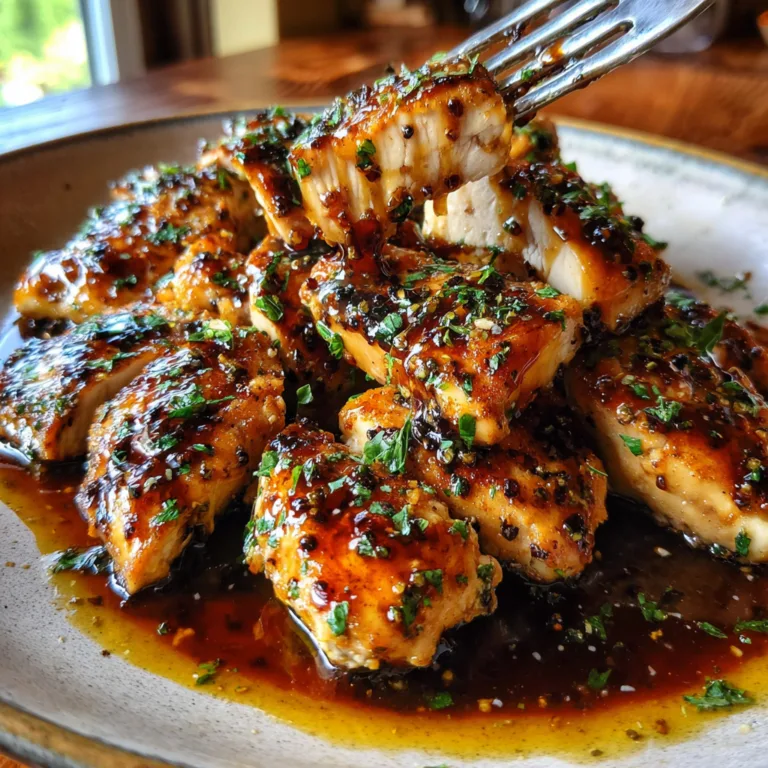
Korean BBQ Steak Bowls
Korean BBQ Steak Bowls: Your Ultimate Guide to a Flavorful Weeknight Dinner
There is something incredibly magical about the harmonious blend of sweet, savory, umami, and slightly spicy flavors that define traditional Korean barbecue. Imagine capturing that intoxicating aroma of caramelized meat sizzling on a grill, the rich and complex layers of soy sauce, sesame oil, and garlic, and pairing it with a steaming bed of fluffy white rice. That is exactly what you get with these Korean BBQ Steak Bowls. Designed to bring the vibrant, bustling street food culture and beloved restaurant experiences of Seoul straight into your own kitchen, this recipe is a true game-changer for weeknight dinners.
In our modern, fast-paced world, finding a meal that feels both indulgent and surprisingly easy to whip up can be a challenge. We often find ourselves rotating through the same tired chicken recipes or settling for expensive takeout. These Korean BBQ Steak Bowls are here to break that cycle. With minimal prep, a rapid marinade, and a quick sear in a hot pan, you can create a masterpiece that looks like it took hours to develop but actually comes together in less time than it takes to order delivery. The star of the show is the perfectly tender, medium-rare steak, deeply infused with an authentic flavor profile, all crowned with a luxurious, glossy, and spicy mayo drizzle that ties the entire bowl together. Let’s dive deep into why this will quickly become your family’s most requested dinner.
The Magic of Korean BBQ Flavors at Home
Korean cuisine is globally celebrated for its bold, unapologetic flavors and its deep respect for balance. At the heart of many beloved Korean meat dishes, such as Bulgogi (marinated thinly sliced beef) and Galbi (marinated short ribs), lies a marinade that perfectly balances sweet, salty, and savory elements. By utilizing accessible pantry staples like high-quality soy sauce, brown sugar or honey, toasted sesame oil, fresh garlic, and pungent ginger, we can replicate these traditional flavors without needing specialized equipment or hard-to-find ingredients.
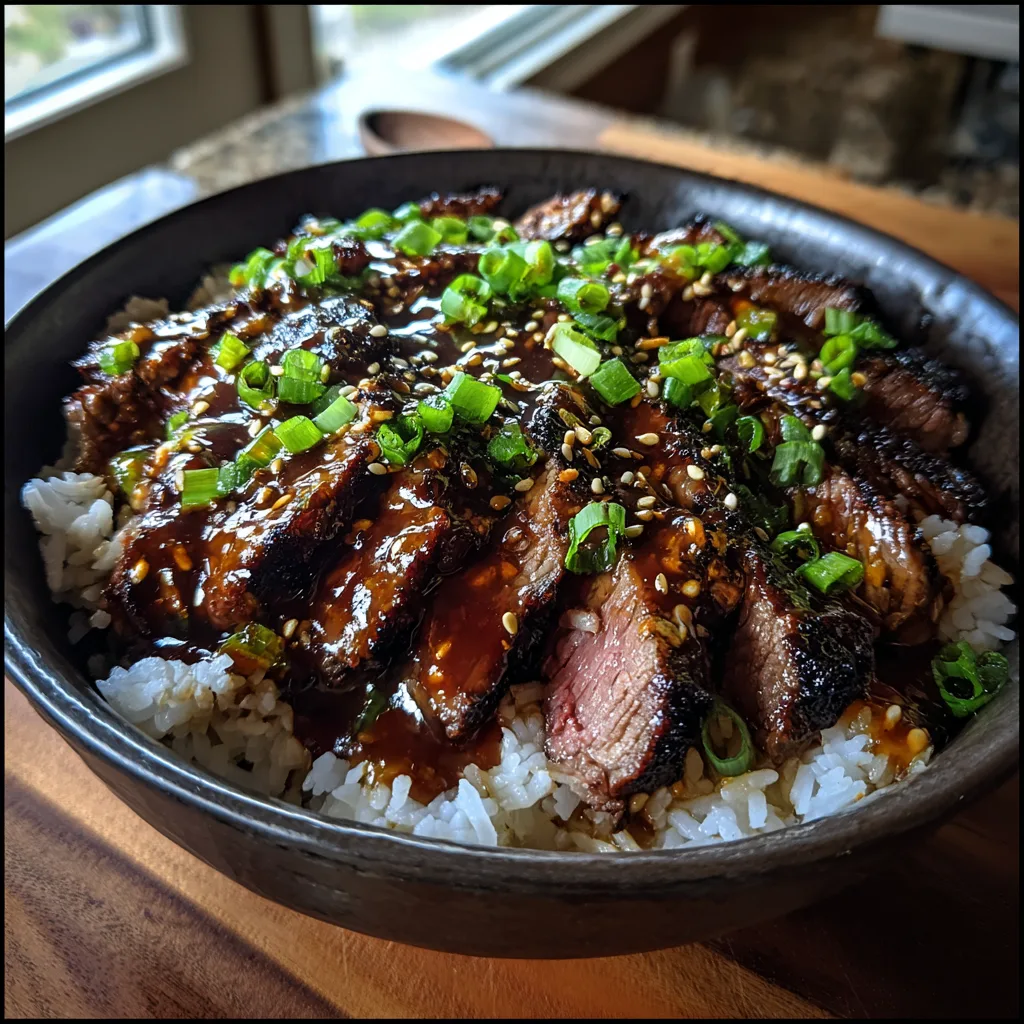
When this sweet and savory marinade hits a scorching hot pan, something incredible happens. The sugars begin to caramelize, creating those coveted, slightly charred, and sticky edges on the steak that are the hallmark of fantastic BBQ. This chemical process, known as the Maillard reaction, is responsible for creating hundreds of complex flavor compounds that make grilled or seared meat taste so irresistible. In this bowl, every bite of the steak delivers that deep, roasted, umami-rich punch, beautifully contrasted by the clean, neutral canvas of steamed white rice.
Why You Will Fall in Love with This Korean BBQ Steak Bowl Recipe
There are countless reasons to add this dish to your permanent culinary repertoire. First and foremost is the undeniable convenience. While traditional Korean barbecue often involves long marinating times to tenderize tougher cuts of meat, our streamlined approach utilizes a fast-acting, highly concentrated marinade. Even just 30 minutes in the mixture will impart massive flavor into a good cut of steak like flank or skirt steak.
Furthermore, this recipe is incredibly versatile. It serves as a fantastic template that can be customized to suit your dietary needs or whatever happens to be lingering in your refrigerator. Want to add more vegetables? Toss in some steamed broccoli, sautéed spinach, or quick-pickled cucumbers. Watching your carbs? Swap out the white rice for cauliflower rice or a bed of vibrant mixed greens. The true beauty of a “bowl” meal is that it allows for endless personalization while still maintaining the core, crave-worthy flavor profile.
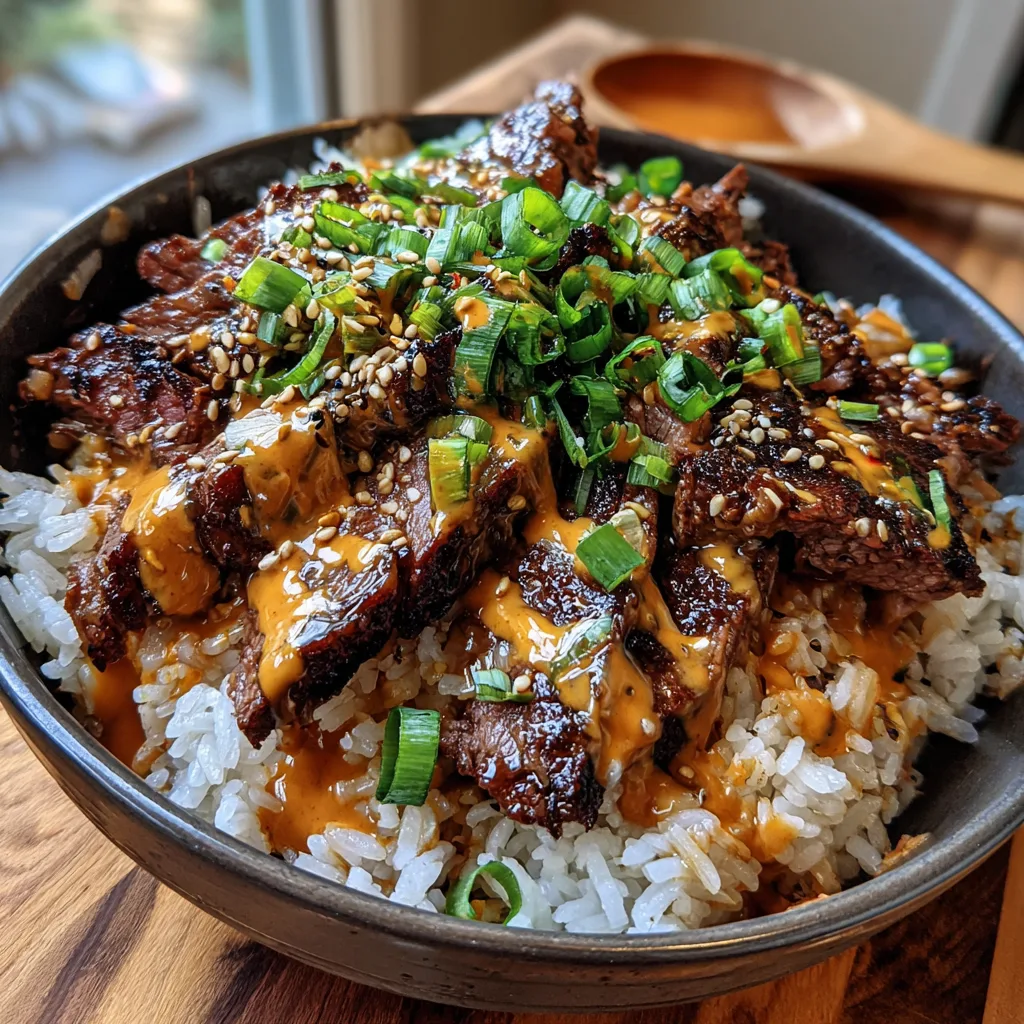
Lastly, the aesthetic appeal cannot be overstated. We eat with our eyes first, and these bowls are a visual feast. The dark, glossy, charred slices of steak fanned out over pristine white rice, the vibrant pop of green from fresh scallions, the rustic sprinkle of toasted sesame seeds, and the dramatic, creamy ribbons of spicy mayo cascading over the top—it is a restaurant-quality presentation that requires zero professional culinary training to execute.
Essential Ingredients for the Perfect Korean BBQ Steak Bowl
To achieve the best results, it is crucial to understand the role each ingredient plays in building the final flavor profile. Here is a detailed breakdown of what you will need:
The Protein and Marinade
The foundation of this dish is, of course, the beef. Choosing the right cut makes all the difference.
- Flank Steak or Skirt Steak: These cuts are favored for their robust, beefy flavor and their ability to absorb marinades beautifully. They cook incredibly fast over high heat. The secret to ensuring they remain tender and melt-in-your-mouth soft is to slice them incredibly thin, specifically against the grain. Cutting across the muscle fibers shortens them, making the meat much easier to chew.
- Low-Sodium Soy Sauce: This provides the crucial salty, umami base. Using low-sodium allows you to control the saltiness, especially since the marinade reduces in the pan.
- Brown Sugar: Adds the necessary sweetness to balance the salty soy sauce and aids in caramelization for those beautiful charred edges.
- Toasted Sesame Oil: A staple in Korean cooking, this provides an incredibly deep, nutty aroma that simply cannot be replicated by any other oil. A little goes a long way.
- Fresh Garlic and Ginger: These aromatics bring pungency, warmth, and a slight zing that cuts through the richness of the beef. Always use fresh for the best flavor.
- Rice Vinegar: A splash of mild acidity helps tenderize the meat and brightens the overall flavor of the marinade.
The Base and Toppings
The accompaniments turn the delicious steak into a complete, satisfying meal.
- Short-Grain or Medium-Grain White Rice: These varieties of rice are slightly sticky when cooked, making them perfect for picking up with chopsticks and ideal for soaking up the delicious meat juices and spicy mayo without falling apart.
- Scallions (Green Onions): Sliced thinly, these add a fresh, sharp, oniony bite that cuts through the richness of the dish.
- Toasted Sesame Seeds: These add a subtle crunch and reinforce the nutty sesame flavor introduced by the oil in the marinade.
The Spicy Mayo Drizzle
Do not skip this! It brings a creamy, spicy element that binds everything together.
- Mayonnaise: For the most authentic, rich flavor, try to find Kewpie mayo (Japanese mayonnaise made with egg yolks), though standard high-quality American mayo will work in a pinch.
- Gochujang or Sriracha: Gochujang is a fermented Korean chili paste that offers sweet, savory, and spicy depth. If you cannot find it, Sriracha provides a great, straightforward chili garlic kick.
- A squeeze of lime juice or water: Just a tiny bit to thin the sauce out so it can be perfectly drizzled over the bowl.
Ingredients List
For the Steak & Marinade:
- – 1.5 lbs flank steak or skirt steak
- – 1/2 cup low-sodium soy sauce
- – 1/3 cup brown sugar, packed
- – 1 tablespoon toasted sesame oil
- – 4 cloves garlic, minced
- – 1 tablespoon fresh ginger, grated
- – 1 tablespoon rice vinegar
- – 1 tablespoon neutral cooking oil (like avocado or canola), for searing
For the Spicy Mayo:
- – 1/3 cup mayonnaise (preferably Kewpie)
- – 1 to 2 tablespoons Gochujang (Korean chili paste) or Sriracha, to taste
- – 1 teaspoon lime juice or water (to thin)
For Serving:
- – 3 cups cooked short-grain white rice, kept warm
- – 3 scallions (green onions), thinly sliced
- – 1 tablespoon toasted sesame seeds
Step-by-Step Instructions: How to Make Korean BBQ Steak Bowls
- Prepare the Meat: Place the flank steak on a cutting board. Using a sharp knife, carefully slice the steak against the grain into very thin strips, about 1/4 inch thick. This is crucial for tenderness.
- Mix the Marinade: In a medium-sized mixing bowl, whisk together the low-sodium soy sauce, brown sugar, toasted sesame oil, minced garlic, grated ginger, and rice vinegar until the sugar is completely dissolved.
- Marinate the Steak: Add the thinly sliced steak to the bowl with the marinade. Toss the meat thoroughly until every piece is well coated. Cover the bowl with plastic wrap and let it sit at room temperature for at least 30 minutes. If you are prepping ahead, you can store it in the refrigerator for up to 8 hours, but let it sit at room temperature for 15 minutes before cooking.
- Prepare the Spicy Mayo: While the steak is marinating, prepare your drizzle. In a small bowl, combine the mayonnaise, Gochujang (or Sriracha), and lime juice. Whisk until perfectly smooth and creamy. If the sauce is too thick to drizzle, add a few drops of water until you reach the desired consistency. Set aside in the refrigerator.
- Cook the Steak: Heat a large cast-iron skillet or a heavy-bottomed pan over medium-high heat. Once the pan is very hot, add the neutral cooking oil. Using tongs, carefully transfer the marinated steak slices to the pan, shaking off any excess liquid so the meat sears rather than boils. Work in batches if necessary to avoid overcrowding the pan.
- Sear to Perfection: Let the steak sear undisturbed for about 1 to 2 minutes on the first side until a dark, caramelized crust forms. Flip the pieces and cook for another 1 to 2 minutes until just cooked through. The high sugar content in the marinade will cause the meat to char beautifully. Remove the steak from the pan and let it rest on a cutting board for a few minutes.
- Assemble the Bowls: Divide the warm, cooked rice evenly among deep serving bowls. Generously layer the seared Korean BBQ steak over the rice. Take your prepared spicy mayo and drizzle it heavily in thick ribbons over the meat and rice.
- Garnish and Serve: Top each bowl generously with the thinly sliced scallions and a sprinkle of toasted sesame seeds. Serve immediately while hot and glistening.
Pro Tips for Achieving the Best Sear and Flavor
Cooking steak indoors, especially thinly sliced pieces covered in a sugary marinade, requires a bit of technique to get right without smoking out your kitchen or ending up with a tough, gray meal. First, temperature control is key. You want your pan smoking hot before the meat hits it. A cast-iron skillet is ideal because it retains heat incredibly well, allowing the beef to sear instantly upon contact.
Secondly, do not overcrowd your pan! This is the most common mistake home cooks make. If you dump all the meat and liquid into the pan at once, the temperature of the skillet will drop dramatically. Instead of frying and caramelizing, the meat will release its juices and boil in a murky gray liquid. Take the extra time to cook the steak in two or three separate batches. It is worth the slight delay for that authentic, restaurant-quality char.
Lastly, freezing the steak for about 15 to 20 minutes before slicing can make the process significantly easier. The meat will firm up just enough to allow your knife to glide through it cleanly, helping you achieve those ultra-thin slices necessary for a tender chew.
Creative Variations and Substitutions
While this recipe is stellar exactly as written, it acts as a wonderful blank canvas for your culinary creativity.
Protein Swaps: Not a fan of beef? This exact marinade works wonders on boneless, skinless chicken thighs (sliced into bite-sized pieces), thinly sliced pork shoulder, or even firm tofu. If using tofu, make sure to press out the excess water first, then pan-fry it until crispy before tossing it in a little bit of the boiled marinade.
Add Some Veggies: To make this a more nutrient-dense, one-bowl meal, incorporate some vegetables. Classic Korean side dishes (Banchan) make great inspiration. Try adding a scoop of spicy fermented kimchi to the bowl. You can also quickly sauté some julienned carrots, zucchini, and bean sprouts in a bit of sesame oil and garlic to arrange neatly next to the beef.
The Ultimate Egg: In many Asian rice bowl dishes, a fried egg with a perfectly runny yolk is considered the ultimate crowning achievement. Placing a sunny-side-up egg on top of your steaming hot steak bowl allows the rich yolk to break and mix into the rice and spicy mayo, creating an unbelievably luxurious sauce.
Meal Prep and Storage Guidelines
These Korean BBQ Steak Bowls are incredibly meal-prep friendly, making them a savior for busy weekday lunches. You can cook a large batch on Sunday and enjoy it throughout the week.
To Store: Allow the cooked steak and rice to cool to room temperature. Store them in airtight glass containers in the refrigerator for up to 4 days. It is highly recommended to store the spicy mayo in a separate small container to keep the rice from becoming soggy and to prevent the mayo from separating when reheated.
To Reheat: Microwave the steak and rice together for about 1 to 2 minutes, or until heated through. Alternatively, you can briefly toss the meat in a hot skillet for a minute to revive the charred texture. Once hot, drizzle with your cold spicy mayo and garnish with fresh scallions.
Exploring the Cultural Context: A Nod to Traditional Korean BBQ
To truly appreciate this dish, it is wonderful to understand its roots. Korean Barbecue, or “Gogi-gui,” refers to the Korean method of grilling meat, typically beef, pork, or chicken. Such dishes are often prepared on gas or charcoal grills built directly into the dining table itself. It is a highly communal, interactive dining experience where friends and family gather, cook the meat together, and wrap the hot morsels in lettuce leaves (ssam) along with garlic, jalapeños, and ssamjang (a thick, spicy paste).
While our bowl version streamlines this process for the home cook, it pays deep homage to Bulgogi—literally translating to “fire meat.” Traditional Bulgogi often incorporates pureed Asian pear into the marinade. The pear contains enzymes (specifically calpain) that naturally tenderize the meat while adding a delicate, fruity sweetness. If you have an Asian pear on hand, grating a couple of tablespoons into your marinade will elevate this dish to an incredibly authentic level!
What to Serve with Your Steak Bowls
If you are looking to turn these bowls into a larger feast, consider serving them alongside an array of simple Banchan (Korean side dishes). A small plate of spicy, fermented Napa cabbage kimchi is almost mandatory. Additionally, sweet and sour pickled daikon radishes, a refreshing cucumber salad tossed in chili flakes and vinegar, or lightly blanched spinach dressed with soy sauce and sesame oil (Sigeumchi Namul) will provide the perfect crunchy, acidic counterpoints to the rich, savory beef.
Frequently Asked Questions (FAQs)
Q: Can I use a cheaper cut of beef?
A: Yes! While flank and skirt are preferred for their texture, you can absolutely use sirloin or even chuck. If using a tougher cut like chuck, you must ensure it is sliced incredibly thin, and you might benefit from letting it marinate overnight to maximize tenderization.
Q: Is this dish gluten-free?
A: Standard soy sauce contains wheat, meaning this dish is not gluten-free as written. However, you can easily make it 100% gluten-free by substituting the soy sauce with Tamari or Coconut Aminos. Ensure your Gochujang is also certified gluten-free, as some brands use wheat as a thickener.
Q: How spicy is the mayo?
A: The spice level is entirely under your control. By using 1 tablespoon of Gochujang or Sriracha, you get a mild, warming heat that most people can easily handle. If you love spice, increase it to 2 or even 3 tablespoons. If you are cooking for children who cannot handle any spice, you can simply omit the chili paste and mix the mayo with a tiny splash of sesame oil and soy sauce instead.
Conclusion
Bringing the explosive, savory, and complex flavors of Korean BBQ into your home kitchen does not require hours of labor or a specialized grill table. With this quick and easy Korean BBQ Steak Bowl recipe, you can treat yourself and your loved ones to a visually stunning, intensely flavorful, and deeply comforting meal on even the busiest of weeknights. From the deeply caramelized, tender strips of beef to the rich, glossy drizzle of spicy mayo melting into fluffy white rice, every single bite is a testament to why these flavors are beloved worldwide. Gather your ingredients, get your skillet smoking hot, and get ready to enjoy what is sure to become your new favorite dinner routine.
Korean BBQ Steak Bowls
Ingredients
Equipment
Method
- Slice the flank steak against the grain into very thin strips, about 1/4 inch thick.
- In a medium bowl, whisk together soy sauce, brown sugar, sesame oil, garlic, ginger, and rice vinegar until sugar is dissolved.
- Add the sliced steak to the marinade, tossing to coat. Let sit at room temperature for at least 30 minutes.
- In a small bowl, whisk mayonnaise, Gochujang (or Sriracha), and lime juice until smooth. Set aside.
- Heat a large skillet over medium-high heat. Add cooking oil. Working in batches, add steak slices, shaking off excess marinade.
- Sear meat for 1-2 minutes per side until deeply caramelized and cooked through. Remove and let rest.
- Divide warm rice into bowls. Top generously with the seared steak.
- Drizzle heavily with the spicy mayo sauce. Garnish with sliced scallions and toasted sesame seeds. Serve hot.