Fantastic Fried Rice
That Freakin’ Fantastic Fried Rice You Need: The Ultimate Guide to Perfect Homemade Fried Rice
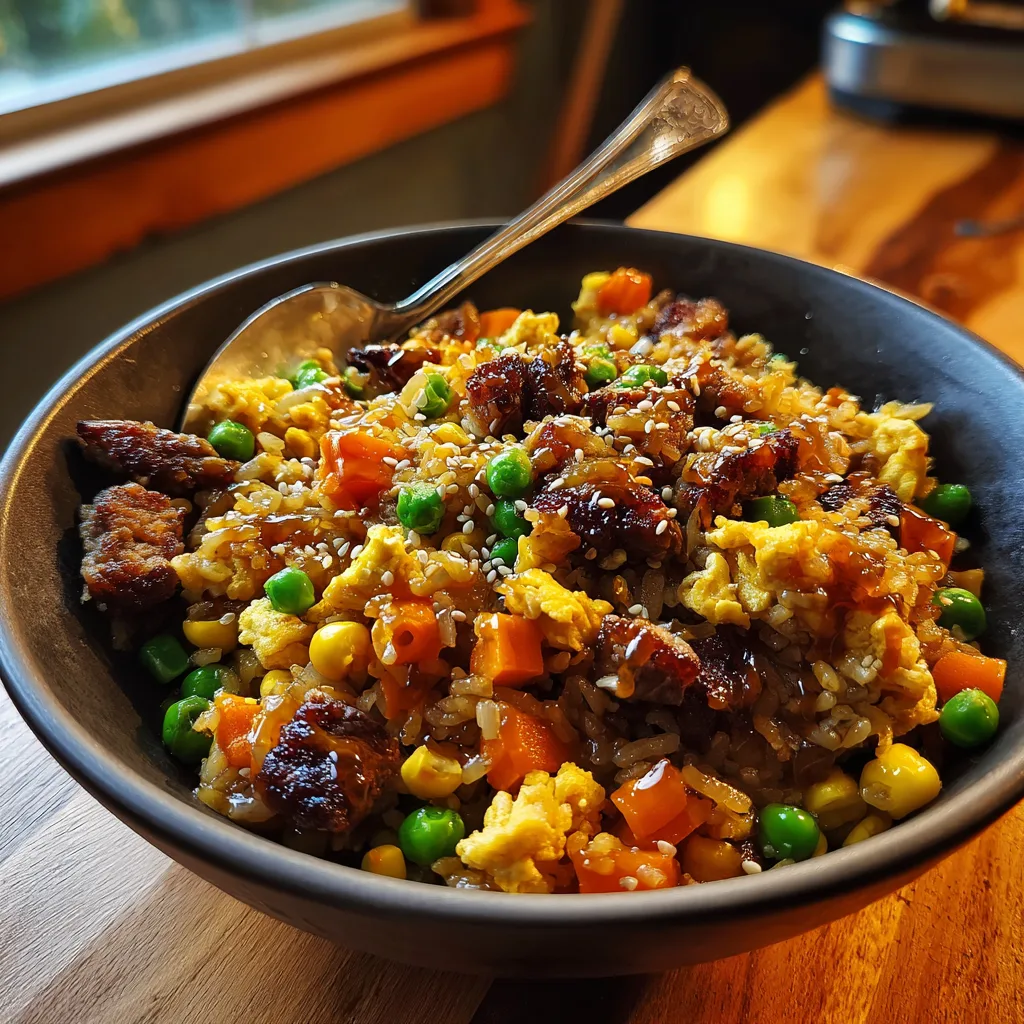
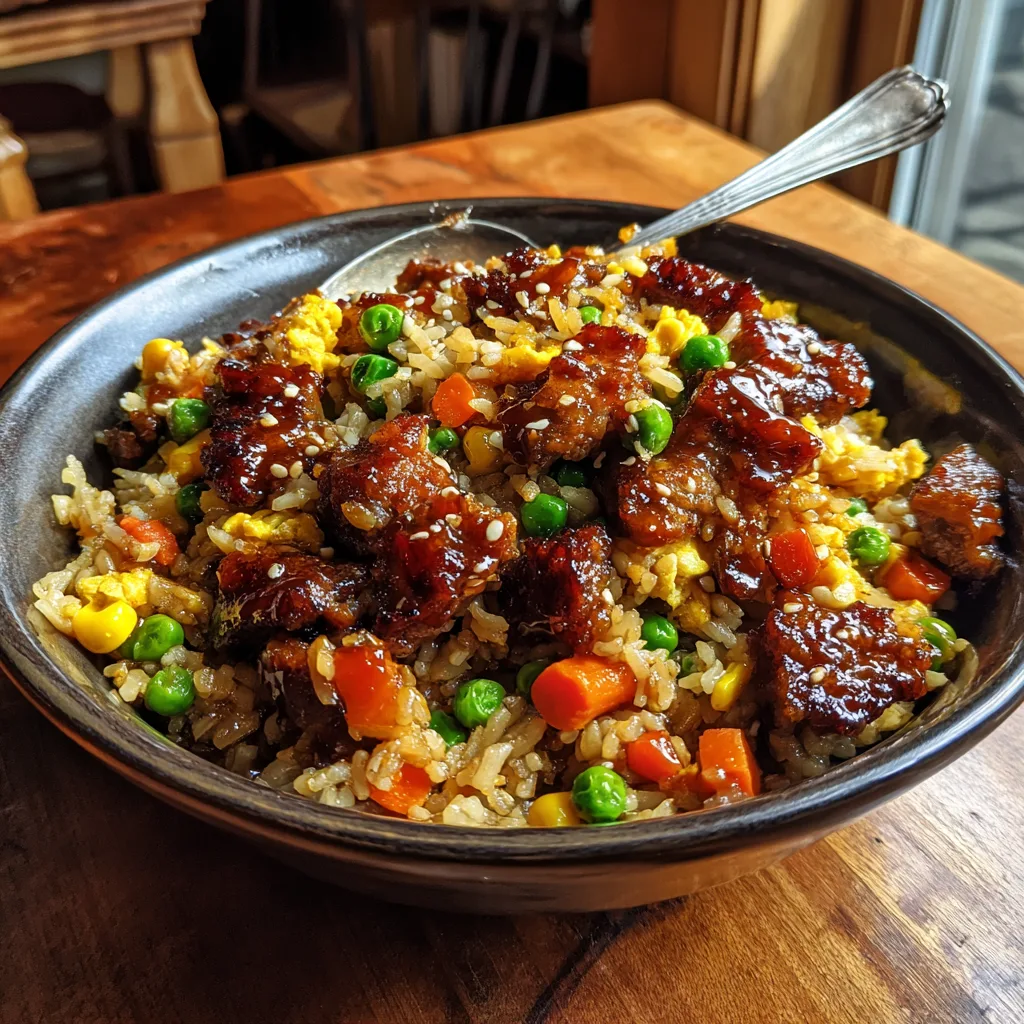
There is a fundamental truth in the culinary world: few dishes are as universally beloved, endlessly adaptable, and deeply comforting as a perfectly executed bowl of fried rice. Whether you are looking for a quick weeknight dinner to feed a hungry family, a clever way to repurpose leftovers, or a late-night savory craving, this is truly “That Freakin’ Fantastic Fried Rice You Need.” Forget the greasy, muted flavors of sub-par takeout. Creating a restaurant-quality, flavor-packed masterpiece in your own kitchen is not only possible, but it is also remarkably simple once you understand the core mechanics of the dish.
This comprehensive guide will walk you through everything you need to know to master the art of the wok (or skillet). We will delve into the science of the rice, the importance of preparation, the ideal balance of savory, sweet, and umami flavors, and the techniques that elevate a basic side dish into a spectacular main event. By the end of this article, you will have the confidence and knowledge to whip up a batch of incredible fried rice that will have your family and friends begging for your secret recipe.
The Secret Science of Perfect Rice: Why Day-Old is Non-Negotiable
The single most critical element of any fried rice recipe is, unsurprisingly, the rice itself. If you attempt to use freshly cooked, steaming hot rice, you are setting yourself up for failure. The result will inevitably be a mushy, clumpy, gummy disaster. To understand why, we need to look at a little culinary science known as starch retrogradation.
When rice is freshly cooked, the starch molecules are swollen with water, making the grains sticky and soft. If you introduce these moist grains to a hot pan with oil and sauces, they will immediately break down and mash together. However, when cooked rice is spread out and chilled in the refrigerator for at least 12 to 24 hours, the starch molecules undergo a process of retrogradation. They crystallize and harden, while the surface moisture evaporates. This leaves you with individual, distinct grains that are firm to the touch.
When this day-old, chilled rice hits the intense heat of the pan, the firm exterior fries and absorbs the oil and seasonings without losing its structural integrity. The inside of the grain heats up and becomes tender again, resulting in that perfect, slightly chewy, beautifully separated texture that defines excellent fried rice. If you are in an absolute rush and must use fresh rice, spread it out in a thin layer on a baking sheet and place it in the freezer for 30 to 45 minutes to rapidly cool and dry the surface, though overnight chilling is always the gold standard.
Choosing the Right Grain
While you can technically make fried rice with almost any variety, certain types yield superior results. Long-grain white rice, particularly Jasmine rice, is the absolute favorite for this application. Jasmine rice provides a beautiful floral aroma, a slightly sweet flavor, and a sturdy structure that holds up well to high heat frying. Medium-grain rice can also work, offering a slightly plumper, chewier bite. Basmati rice is an option, though it tends to be a bit more fragile and drier. Avoid short-grain or sushi rice, as these varieties are inherently too sticky and will clump together regardless of how long you chill them.
Mise en Place: The Art of Preparation
Fried rice is a dish born of high heat and speed. Once the cooking process begins, it moves incredibly fast. You will not have time to chop a carrot or search for the soy sauce while your garlic is burning in the pan. This is where the French culinary concept of “mise en place” (everything in its place) becomes absolutely mandatory.
Before you even think about turning on the stove, every single ingredient must be prepped and ready to go. Your vegetables should be uniformly diced to ensure even cooking. Your proteins should be chopped into bite-sized pieces. Your liquids (soy sauce, sesame oil, etc.) can be measured out into a small bowl. Your eggs should be cracked and lightly beaten. Having your ingredients staged in small bowls around your cooking surface will transform a frantic, stressful cooking experience into a smooth, effortless, and deeply satisfying culinary dance.
Ingredients for That Freakin’ Fantastic Fried Rice
The beauty of this dish lies in its balance of textures and flavors. Here is what you need to create the magic:
- – 4 cups cooked Jasmine rice (chilled overnight)
- – 2 tablespoons vegetable oil (or any high smoke-point oil like canola or peanut)
- – 1 cup diced cooked protein (bacon, Chinese sausage, roast pork, or chicken work beautifully)
- – 1/2 cup frozen peas (thawed)
- – 1/2 cup sweet yellow corn kernels (frozen or canned/drained)
- – 1/2 cup finely diced carrots
- – 1/2 cup finely chopped yellow onion
- – 3 cloves garlic, minced
- – 2 large eggs, lightly beaten
- – 3 tablespoons soy sauce (use low-sodium if preferred)
- – 1 tablespoon oyster sauce (the secret weapon for deep umami flavor)
- – 1 teaspoon toasted sesame oil
- – 1/2 teaspoon white pepper (black pepper can be substituted, but white pepper provides that authentic restaurant flavor)
- – 2 green onions, thinly sliced (for garnish)
Step-by-Step Instructions
- Prepare the Rice: Remove your chilled, day-old rice from the refrigerator. Using wet hands, gently break up any large clumps so the grains are separated. Set aside.
- Heat the Pan: Place a large wok or a wide, heavy-bottomed skillet over medium-high heat. Allow the pan to get very hot before adding any oil.
- Cook the Eggs: Add 1/2 tablespoon of the vegetable oil to the hot pan. Pour in the lightly beaten eggs. Scramble them quickly, allowing them to form soft curds. When they are just barely cooked through, remove them from the pan and set aside on a plate. Do not overcook them, as they will go back into the pan later.
- Sauté the Aromatics and Meat: Wipe the pan clean if necessary, return it to the heat, and add another 1/2 tablespoon of oil. Add the diced pork (or bacon/sausage) and cook until the fat renders and the edges become crispy and caramelized. Add the diced yellow onion and carrots. Stir-fry for 2-3 minutes until the onions soften and turn translucent. Add the minced garlic and cook for 30 seconds until fragrant, being careful not to let it burn.
- Add the Rice: Push the meat and vegetable mixture to the side of the pan. Add the remaining 1 tablespoon of oil to the empty space. Add the chilled, separated rice. Using a spatula, press the rice firmly into the bottom of the pan. Let it sit undisturbed for about 30 seconds to allow the grains to toast and develop a slight char. Then, toss everything together.
- Incorporate Vegetables and Sauces: Add the thawed peas and corn to the pan. Toss to combine. Pour the soy sauce and oyster sauce evenly over the rice. Sprinkle the white pepper over the top. Toss and stir vigorously, ensuring every single grain of rice is coated in the savory brown sauce. The rice should take on a beautiful, uniform caramel color.
- Final Touches: Return the scrambled eggs to the pan. Use your spatula to break the eggs into smaller pieces and distribute them evenly throughout the rice. Finally, drizzle the toasted sesame oil over the dish and toss one last time. Turn off the heat.
- Garnish and Serve: Stir in the sliced green onions just before serving to preserve their fresh, sharp bite. Serve immediately while piping hot and glistening.
Equipment Matters: Wok vs. Skillet
To achieve the legendary “wok hei” (breath of the wok)—that elusive, smoky, slightly charred flavor characteristic of great takeout—a traditional carbon steel wok over a blazing hot gas flame is ideal. The shape of the wok allows for creating different heat zones, enabling you to push ingredients up the cooler sides while searing others in the blisteringly hot center.
However, do not despair if you have a standard electric stove or lack a wok. A large, wide, heavy-bottomed skillet (like cast iron or a high-quality stainless steel pan) can produce absolutely fantastic results. The key to using a skillet is to avoid overcrowding. If you put too much food in a skillet, the temperature drops, the ingredients steam rather than fry, and you lose that essential texture. If cooking for a large crowd in a skillet, it is often better to cook the fried rice in two separate batches.
Pro-Tips for the Best Texture and Flavor
Elevating your fried rice from good to great requires a few minor tweaks to your technique. First, consider the sauces. Soy sauce provides the salty base, but oyster sauce brings a complex, sweet, and briny umami depth that soy sauce alone cannot achieve. Do not skip it. If you are vegetarian, mushroom-based vegetarian oyster sauce is a perfect substitute.
Second, the toasted sesame oil is a finishing oil, not a cooking oil. Its delicate, nutty flavor breaks down and turns bitter if subjected to prolonged high heat. Always add it at the very end, right after you turn off the burner, to perfume the dish beautifully.
Third, be mindful of moisture. The enemy of fried rice is excess water. Ensure your frozen vegetables (like peas and corn) are fully thawed and patted dry before adding them to the pan. If you add wet vegetables, you will steam the rice, ruining that perfect chewy texture you worked so hard to achieve.
Variations to Try
The beauty of this recipe is its infinite adaptability. Once you master the base, the variations are endless:
- Spicy Kimchi Fried Rice: Fold in half a cup of chopped, fermented kimchi and a tablespoon of gochujang (Korean chili paste) for a tangy, spicy kick. Top with a fried egg with a runny yolk.
- Shrimp and Pineapple: Add cooked bay shrimp and chunks of fresh pineapple for a sweet and savory tropical twist. A dash of curry powder also pairs wonderfully here.
- Vegetarian Delight: Skip the meat entirely and double up on the vegetables. Add diced bell peppers, broccoli florets, snow peas, and crispy pan-fried tofu cubes.
- Beef and Broccoli: Use thinly sliced flank steak (marinated briefly in soy sauce and baking soda to tenderize) and small broccoli florets for a hearty, filling variation.
Serving Suggestions
While this fantastic fried rice is robust enough to stand completely on its own as a main course, it also plays wonderfully as a supporting character. Serve it alongside crispy Orange Chicken, savory Mongolian Beef, or delicate steamed dumplings for a complete feast. For a simple and elegant presentation, pack the finished fried rice tightly into a small, lightly oiled bowl, then invert it onto a plate to create a perfect, restaurant-style dome before garnishing.
Storing and Reheating
Fried rice is one of those rare dishes that can taste just as good the next day. Allow any leftovers to cool completely before transferring them to an airtight container. It will keep well in the refrigerator for up to 4 days.
To reheat, the stovetop is your best friend. Heat a splash of oil in a pan over medium heat, add the cold rice, and stir-fry until heated through. If the rice seems a bit dry, add a tiny splash of water or chicken broth and cover the pan for a minute to let the steam rehydrate the grains. You can microwave it in a pinch, but placing a damp paper towel over the bowl in the microwave will help prevent the rice from drying out and turning rubbery.
Fun Facts and Cultural Context
Did you know that fried rice is believed to have originated during the Sui Dynasty in China (589–618 AD)? It was born out of pure culinary pragmatism—a clever and delicious way to ensure that leftover rice and scraps of meat and vegetables were never wasted. Over centuries, it evolved from a humble peasant dish to a beloved staple found in banquets and homes across the globe. Almost every Asian culture has its own distinct variation, from the complex, spicy Nasi Goreng of Indonesia (often topped with a fried egg and prawn crackers) to the delicate, garlic-infused Sinangag served for breakfast in the Philippines.
Cooking this dish connects you to a long lineage of resourceful home cooks who understood that with high heat, good technique, and a little creativity, simple leftovers can be transformed into something truly spectacular. Enjoy every bite of your freakin’ fantastic creation!
Fantastic Fried Rice
Ingredients
Equipment
Method
- Take chilled rice out of the fridge and break up clumps with wet hands.
- Heat a large wok or skillet over medium-high heat. Add 1/2 tablespoon oil and scramble the eggs until just set. Remove and set aside.
- Add 1/2 tablespoon oil to the pan. Add the pork/bacon and cook until crispy. Add carrots and onions, stir-frying for 2-3 minutes. Add garlic and cook for 30 seconds.
- Push ingredients to the side. Add remaining 1 tablespoon oil. Add the cold rice, pressing it into an even layer to toast for 30 seconds before tossing.
- Add the peas and corn. Pour soy sauce, oyster sauce, and white pepper over the top. Toss vigorously until rice is evenly coated and heated through.
- Add the scrambled eggs back in, breaking them up with your spatula.
- Turn off the heat. Drizzle with sesame oil and toss one final time.
- Garnish with sliced green onions and serve immediately.