Creme Brulee French Toast
The Ultimate Overnight Crème Brûlée French Toast Recipe
Welcome to the breakfast of your dreams! If you have been searching for a show-stopping, mouth-watering, and utterly indulgent morning meal, you have just found it. This Overnight Crème Brûlée French Toast takes the classic, comforting flavors of traditional French toast and elevates them to a gourmet level by combining them with the rich, caramelized sugar magic of a classic crème brûlée. Whether you are hosting a festive holiday brunch, preparing a special weekend breakfast for your family, or simply treating yourself to a luxurious morning, this recipe is guaranteed to impress. The best part? The preparation is done entirely the night before, leaving you with nothing to do in the morning but pop it in the oven and wait for the incredible aroma to fill your kitchen.
What is Overnight Crème Brûlée French Toast?
To understand the sheer brilliance of this dish, we have to look at its two core inspirations. First, there is traditional French toast, known historically as “pain perdu” or “lost bread.” This was originally a clever culinary method for rescuing stale bread by soaking it in a mixture of eggs and milk, then frying it until golden. It is a beloved comfort food worldwide. Second, we have crème brûlée, a decadent French dessert consisting of a rich vanilla custard base topped with a contrasting layer of hard caramel created by torching sugar.
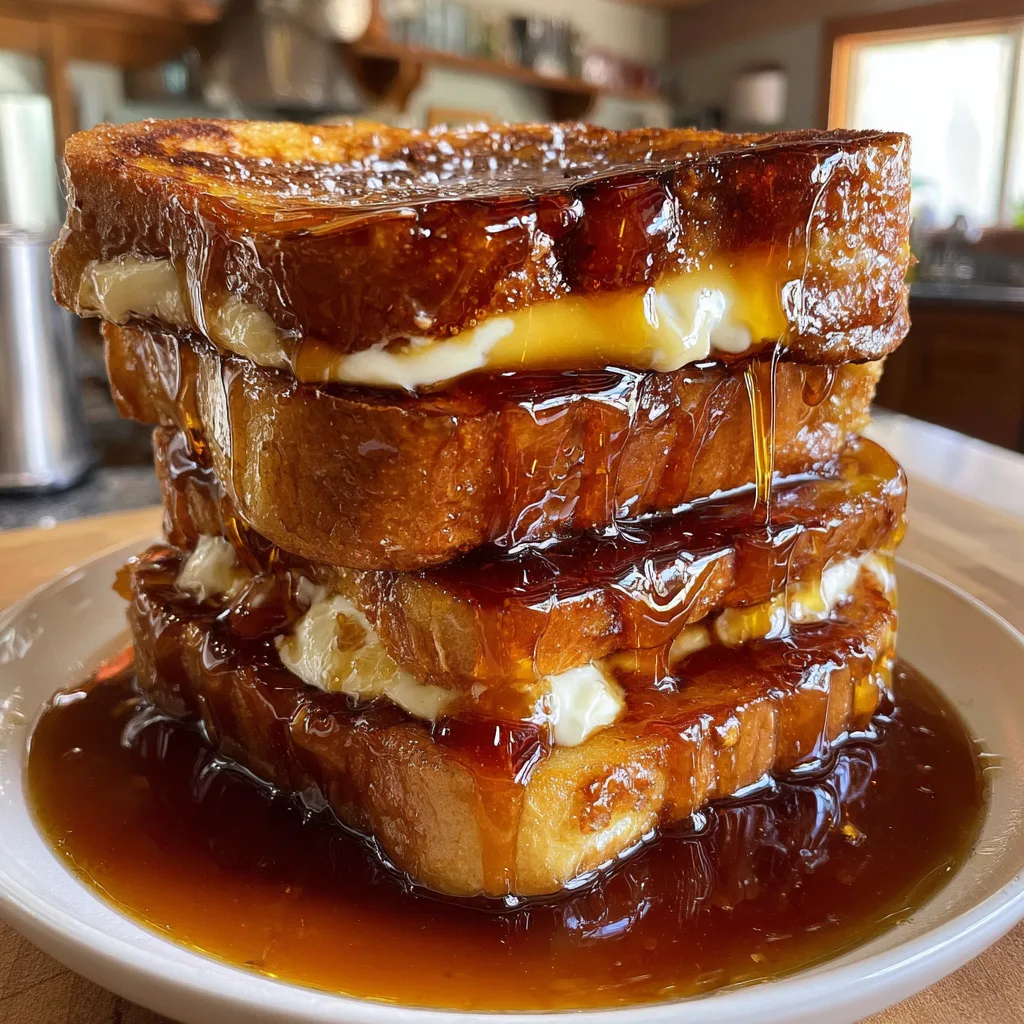
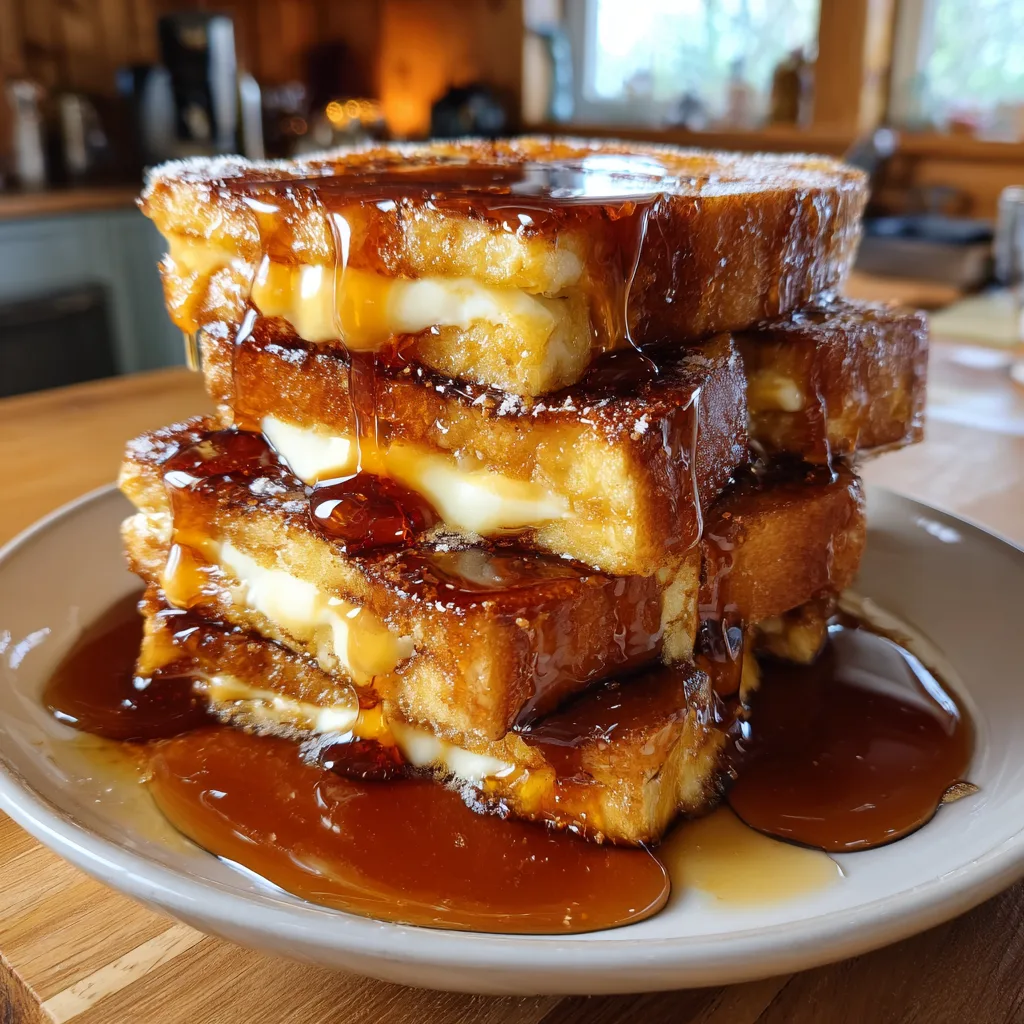
When you merge these two concepts, magic happens. This Overnight Crème Brûlée French Toast utilizes thick slices of enriched bread, such as brioche or challah, which act like sponges to soak up an exceptionally rich custard made from eggs, heavy cream, milk, and vanilla. But the real secret lies at the bottom of the baking dish: a buttery, brown sugar syrup that bakes into a sticky, gooey, caramelized glaze. When you flip the baked French toast out of the pan, that caramelized syrup coats the top, mimicking the sweet, slightly crunchy, deeply caramelized sugar crust of a crème brûlée. It is gooey, glossy, sweet, and entirely irresistible.
Why You Will Absolute Love This Make-Ahead Recipe
There are countless reasons why this recipe will quickly become a staple in your culinary repertoire:
1. The Convenience of Make-Ahead Prep: Mornings, especially when hosting guests or celebrating holidays, can be incredibly hectic. Nobody wants to stand over a hot stove flipping individual slices of French toast while everyone else is socializing. This overnight casserole solves that problem. You spend 15 minutes the night before assembling everything, cover it, and let the refrigerator do the hard work. In the morning, you simply turn on the oven.
2. Unbeatable Texture and Flavor: Giving the bread 8 to 12 hours to soak in the custard mixture is the secret to a perfectly tender interior. A quick dip simply does not allow the egg mixture to penetrate the center of thick bread, often resulting in a dry middle. The overnight soak ensures every single bite is pillowy and rich, resembling a bread pudding. Meanwhile, the brown sugar and butter mixture creates a phenomenally gooey, sticky-sweet caramel that makes traditional maple syrup entirely optional.
3. A Guaranteed Crowd-Pleaser: The visual appeal of this dish is undeniable. When it comes out of the oven, bubbling and deeply golden brown, it looks like it came from a high-end bakery. The smell of vanilla, butter, and caramelizing sugar is enough to wake up the whole house. It is the perfect centerpiece for Christmas morning, Easter brunch, Mother’s Day, or a special anniversary breakfast.
The Magic of the Ingredients: What You Need to Know
Creating the perfect Overnight Crème Brûlée French Toast requires understanding the role of each ingredient. Let us break down the components to see why they are essential for success.
The Bread: This is arguably the most crucial element. Do not use standard, thin-sliced sandwich bread; it will disintegrate into mush during the overnight soak. You need a sturdy, enriched bread. Brioche is the absolute best choice due to its high butter and egg content, which yields a tender crumb and rich flavor. Challah is a fantastic runner-up. French bread or Texas toast can also work, but they lack the buttery richness of brioche. Crucially, your bread must be slightly stale. Fresh bread contains too much moisture and won’t absorb the custard properly. If your bread is fresh, slice it and leave it out on the counter for a few hours, or lightly toast it in a low oven to dry it out.
The Caramel Glaze: The bottom layer of the pan is where the “crème brûlée” magic happens. You will need unsalted butter, packed light brown sugar, and a touch of corn syrup or maple syrup. The butter provides richness and prevents sticking, the brown sugar offers deep molasses notes and sweetness, and the syrup helps to keep the caramel smooth and prevents the sugar from crystallizing as it bakes and cools.
The Custard Base: A traditional custard requires eggs, dairy, and flavoring. For this recipe, we use large eggs, a combination of whole milk and heavy whipping cream (the cream is essential for that luxurious crème brûlée mouthfeel), high-quality pure vanilla extract, a pinch of salt to balance the sweetness, and optionally, a splash of Grand Marnier or orange juice to add a subtle, bright citrus note that cuts through the richness.
Ingredients List
Here is exactly what you need to gather to make this incredible breakfast:
For the Caramel Bottom:
- – 1/2 cup (1 stick) unsalted butter
- – 1 cup light brown sugar, packed
- – 2 tablespoons corn syrup (or pure maple syrup)
For the French Toast and Custard:
- – 1 loaf (about 14-16 ounces) brioche or challah bread, sliced 1-inch thick
- – 6 large eggs
- – 1 1/2 cups whole milk
- – 1/2 cup heavy whipping cream
- – 1 tablespoon pure vanilla extract
- – 1/4 teaspoon kosher salt
- – 1 teaspoon ground cinnamon (optional, for warmth)
- – 1 tablespoon Grand Marnier or orange liqueur (optional)
Step-by-Step Instructions
Follow these simple steps for flawless execution. Remember, the key is patience during the overnight soak!
- Prepare the Caramel Base: In a medium saucepan, combine the unsalted butter, packed brown sugar, and corn syrup (or maple syrup). Melt the ingredients together over medium heat, whisking constantly until the mixture is smooth, completely combined, and bubbling slightly. This should take about 3 to 5 minutes.
- Coat the Baking Dish: Immediately pour the hot caramel mixture into a 9×13 inch baking dish. Use a spatula to spread it out into an even layer, ensuring the entire bottom of the dish is coated. Let it cool for a few minutes while you prepare the bread.
- Arrange the Bread: Take your thick slices of slightly stale brioche or challah and arrange them in the baking dish over the cooled caramel layer. You may need to cut or tear a few pieces to fill in any gaps so the entire bottom is covered. It is okay if they overlap slightly, but try to keep them in a single, snug layer.
- Whisk the Custard: In a large mixing bowl, crack the eggs and whisk them lightly. Add the whole milk, heavy cream, vanilla extract, kosher salt, ground cinnamon, and Grand Marnier (if using). Whisk vigorously until the custard mixture is completely smooth, pale yellow, and well combined.
- Soak the Bread: Slowly and evenly pour the liquid custard mixture all over the bread slices in the baking dish. Press down gently on the bread with your hands or a spatula to ensure every piece is submerged and starts absorbing the liquid.
- Chill Overnight: Cover the baking dish tightly with plastic wrap or aluminum foil. Place it in the refrigerator for at least 8 hours, or ideally overnight. This extended resting period is mandatory for the bread to absorb the custard and for the flavors to meld perfectly.
- Preheat and Prep for Baking: The next morning, remove the baking dish from the refrigerator and let it sit on the counter for about 20 to 30 minutes to take the chill off. Meanwhile, preheat your oven to 350°F (175°C).
- Bake the French Toast: Remove the cover from the baking dish. Bake uncovered in the preheated oven for 35 to 45 minutes. The exact time will depend on your oven and the thickness of your bread. You are looking for the top to be deeply golden brown, puffed up, and the center to be set (not liquidy). The caramel at the edges should be bubbling.
- Cool and Serve: Remove from the oven and let the casserole cool in the pan for 5 to 10 minutes. This resting time allows the custard to set up fully and the caramel to thicken slightly. To serve, scoop out portions, making sure to invert them onto the plate so the gooey, sticky caramel from the bottom becomes the glossy topping. Serve immediately!
Pro Tips for the Perfect Bake
Even though this is an easy recipe, a few professional tricks will elevate it from good to absolutely spectacular:
The Stale Bread Rule: We cannot stress this enough—fresh bread is the enemy of baked French toast. If your bread is too soft, it will turn into a soggy pudding rather than maintaining its structural integrity. If you forgot to leave your bread out, place the slices on a baking sheet in a 250°F oven for about 15 minutes, flipping halfway, to dry them out.
The Flip Trick: For maximum caramel distribution, some home cooks like to flip the bread slices halfway through the overnight soaking process. Before you go to bed, gently turn each slice over in the pan so both sides get equal access to the custard pool.
Check the Center: Ovens vary wildly. If the top of your French toast is getting too brown but the center is still jiggly and wet, tent a piece of aluminum foil loosely over the top of the baking dish for the last 10-15 minutes of baking.
The Real Crème Brûlée Finish: If you want to take the “brûlée” aspect literally and you own a kitchen blowtorch, you can sprinkle a thin, even layer of granulated sugar over the top of the baked casserole right after it comes out of the oven. Carefully torch the sugar until it melts and forms a hard, crackly crust. This adds an authentic, crunchy texture!
Flavor Variations to Try
Once you master the base recipe, feel free to get creative and customize the flavor profile to suit the seasons or your family’s preferences:
Apple Cinnamon Spice: Sauté thinly sliced apples with butter and cinnamon until soft, and layer them over the caramel base before adding the bread. Add extra cinnamon and a pinch of nutmeg to the custard.
Berry Stuffed: Scatter a cup of fresh raspberries, blueberries, or sliced strawberries between the slices of bread before pouring the custard over the top. The tartness of the berries cuts through the rich caramel beautifully.
Pecan Praline: Add a cup of chopped, toasted pecans to the butter and brown sugar mixture before pouring it into the baking dish. This creates a nutty, crunchy caramel base that is absolutely divine.
Chocolate Lovers: Whisk 2 tablespoons of high-quality cocoa powder into the custard mixture, and sprinkle semi-sweet chocolate chips between the bread layers.
Make-Ahead, Storage, and Reheating
Can I freeze this? Yes! You can freeze the baked casserole. Let it cool completely, then slice it into individual portions. Wrap each portion tightly in plastic wrap, then foil, and store in a freezer-safe bag for up to 2 months. Thaw overnight in the fridge before reheating.
How long do leftovers last? Store any leftover baked French toast in an airtight container in the refrigerator for up to 3 days.
What is the best way to reheat? To maintain the best texture, reheat individual portions in an oven or toaster oven at 325°F until warmed through. You can use a microwave in a pinch, but it may make the bread slightly rubbery.
Serving Suggestions for the Ultimate Brunch Spread
Because this Overnight Crème Brûlée French Toast is incredibly rich and sweet, you rarely need extra maple syrup. However, balancing the sweetness is key to a successful brunch. Serve this dish alongside contrasting flavors and textures:
Fresh Fruit: A vibrant, tart fruit salad or simple bowls of fresh mixed berries are perfect. The acidity cleanses the palate between rich bites.
Salty Sides: Thick-cut, crispy bacon, savory breakfast sausage links, or a side of crispy hash browns provide a much-needed savory contrast.
Beverages: Serve with piping hot black coffee, strong espresso, or dry Mimosas (heavy on the champagne, light on the juice) to cut through the buttery caramel.
Frequently Asked Questions
Do I absolutely have to let it sit overnight? While overnight is best (8-12 hours), you can get away with a minimum of 4 hours in the refrigerator if you are in a rush. Anything less, and the center of the bread will be dry.
Why is my French toast soggy in the middle? This usually happens for one of two reasons: the bread wasn’t stale enough to absorb the liquid properly, or the casserole wasn’t baked long enough. Ensure the center is puffed and set before removing it from the oven.
Can I make this dairy-free? Yes, but the texture will change slightly. Substitute the butter with a high-quality vegan butter block, and use a rich, full-fat plant milk like oat milk or canned coconut milk in place of the whole milk and heavy cream.
The Cultural Context: A History of Sweet Breakfasts
The concept of soaking bread in egg and milk dates back to the Roman Empire, documented in the Apicius culinary collection around the 4th century. They called it “aliter dulcia” (another sweet dish). Throughout medieval Europe, it became a staple way to use up old bread, literally translating to “lost bread” in France (pain perdu). It wasn’t until the 17th and 18th centuries that recipes began to resemble modern French toast, adding sugar, spices, and richer dairy.
Crème brûlée, on the other hand, has a hotly contested history, with France, Spain (crema catalana), and England (Trinity cream) all claiming its invention. Regardless of its origin, the technique of contrasting a smooth, cold custard with a hot, brittle caramel crust is a masterclass in culinary texture.
Combining these two historical giants into one breakfast casserole is a modern American innovation, born out of the desire for easy, impressive holiday entertaining. It takes the rustic thriftiness of pain perdu and marries it with the refined elegance of crème brûlée, resulting in a dish that feels both comforting and incredibly luxurious.
Conclusion
This Overnight Crème Brûlée French Toast is more than just a recipe; it is a morning experience. From the convenience of preparing it the night before to the intoxicating aroma that will wake up your family, to the final, gooey, caramel-drenched bite, it is a guaranteed winner. So, grab a loaf of brioche, whip up this simple custard, and get ready to serve the best brunch you have ever made. Your family and friends will be asking for this recipe for years to come!
Overnight Crème Brûlée French Toast
Ingredients
Equipment
Method
- In a saucepan, melt the butter, brown sugar, and corn syrup together over medium heat, whisking until smooth and bubbling.
- Pour the hot caramel mixture into the bottom of a 9×13 inch baking dish, spreading it into an even layer.
- Arrange the thick slices of bread over the caramel layer, fitting them snugly to cover the bottom.
- In a large bowl, whisk together the eggs, milk, heavy cream, vanilla extract, salt, cinnamon, and Grand Marnier until completely smooth.
- Pour the custard mixture evenly over the bread slices. Press down gently on the bread so it begins to absorb the liquid.
- Cover the baking dish tightly and refrigerate for at least 8 hours, or overnight.
- The next morning, remove the dish from the fridge and preheat the oven to 350°F (175°C).
- Bake uncovered for 35 to 45 minutes until puffed, deeply golden brown, and set in the center.
- Let cool for 5-10 minutes before serving. Invert pieces onto plates so the gooey caramel bottom becomes the topping.