White Almond Cake
The Best White Almond Cake with Silky Buttercream: A Wedding Cake Experience at Home
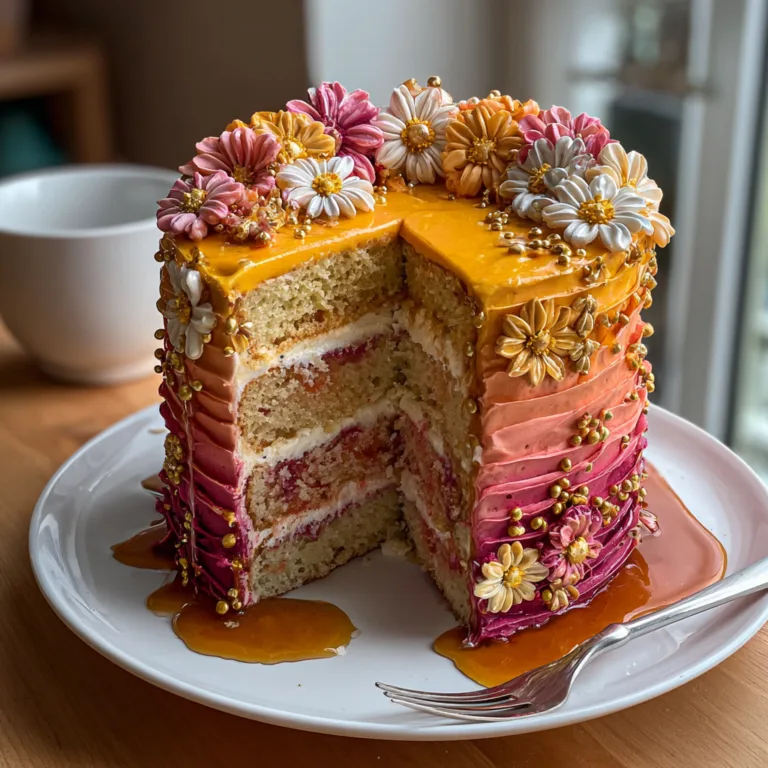
There is something undeniably elegant, nostalgic, and universally loved about the flavor of a classic white almond cake. It is the flavor we associate with weddings, celebrations, and the most indulgent bakery visits. But often, homemade white cakes fall victim to being dry, bland, or having a texture more like cornbread than a cloud. This recipe changes everything. We are talking about a White Almond Cake that is incredibly moist, possessing a tender, velvety crumb that practically melts in your mouth, paired with a silky, cloud-like pink almond buttercream.
This isn’t just a vehicle for frosting; the cake itself is the star. Infused with the distinct, sweet, and aromatic flavor of pure almond extract, it balances the richness of the butter and sugar perfectly. Whether you are baking for a birthday, a bridal shower, or just because you need a slice of happiness on a Tuesday, this cake delivers professional bakery results in your own kitchen.

Why This Recipe is the “Best”
You might wonder, what makes this specific recipe stand out in a sea of vanilla cake recipes? The secret lies in the chemistry of the ingredients and the method of mixing.
- The “Velvet” Texture: By using cake flour instead of all-purpose flour, we lower the protein content, which minimizes gluten formation. This results in a crumb that is soft and tender rather than chewy.
- Pure White Color: We strictly use egg whites—no yolks. Yolks add yellow color and a distinct “eggy” richness that we want to avoid here. We want pure, snowy whiteness to let the almond flavor shine.
- Moisture Retention: The addition of sour cream is non-negotiable. The acidity tenderizes the gluten strands, while the fat content ensures the cake stays moist for days.
- The Flavor Profile: While vanilla is present, almond extract is the primary driver. It provides that sophisticated “bakery” taste that feels more special than a standard yellow cake.
The Science of White Cake
Achieving a cake that is stark white yet flavorful is a balancing act. Many bakers struggle with white cakes turning out dry because they lack the fat from egg yolks. To combat this, this recipe relies on a technique known as the creaming method, but with a heavy emphasis on incorporating enough fat through butter and sour cream.
Room Temperature Ingredients are Critical:
Because this batter relies on an emulsion of fat and liquid, if your milk, sour cream, or egg whites are cold, they will shock the butter, causing the batter to curdle (look grainy). A curdled batter does not trap air well, leading to a dense, flat cake. Ensure your butter is soft and your dairy is at room temperature before you even think about turning on the mixer.
Ingredients Overview
For the Almond Cake
- Cake Flour: (Sifted) This is essential for the structure. If you don’t have it, you can make a substitute with cornstarch and AP flour, but store-bought is best.
- Egg Whites: Room temperature. These provide structure and lift without adding color.
- Sour Cream: Full fat is preferred. This adds the “wet” crumb texture.
- Milk: Whole milk provides the best richness.
- Almond Extract: High quality matters here. Nielsen-Massey is a great brand.
- Vanilla Extract: Just a touch to round out the flavor.
- Unsalted Butter: Softened, not melted.
- Granulated Sugar: Use white sugar to maintain the pale color.
- Baking Powder & Soda: The lifting agents.
For the Pink Almond Buttercream
- Unsalted Butter: Slightly cool room temperature holds its shape best for piping.
- Powdered Sugar: Sifted to avoid gritty frosting.
- Heavy Cream: This makes the frosting “silky” and fluffy.
- Almond Extract: To mirror the cake flavor.
- Gel Food Coloring: A drop of soft pink creates that classic look without thinning the frosting like liquid dye would.
Instructions
Step 1: Prep and Sift
- Preheat your oven to 350°F (175°C). Grease three 8-inch round cake pans and line the bottoms with parchment paper. This guarantees your layers come out perfect.
- In a medium bowl, sift together the cake flour, baking powder, baking soda, and salt. Set aside.
Step 2: The Wet Mixture
- In a separate bowl or large measuring cup, whisk together the egg whites, about 1/4 cup of the milk, the sour cream, almond extract, and vanilla extract until well combined.
Step 3: Cream the Butter and Sugar
- In the bowl of a stand mixer fitted with the paddle attachment, beat the softened butter and granulated sugar on medium-high speed.
- Do this for a full 3 to 5 minutes. The mixture should look pale, almost white, and fluffy. This step aerates the butter, which is crucial for lift.
Step 4: Alternate Mixing
- Turn the mixer to low. Add about one-third of the flour mixture. Mix until just combined.
- Add half of the remaining milk (not the egg mixture yet, just the plain milk reserve). Mix briefly.
- Add half of the egg/sour cream mixture.
- Repeat alternating dry and wet ingredients, ending with the flour mixture. Stop mixing immediately when the flour disappears. Over-mixing develops gluten and makes the cake tough.
Step 5: Bake
- Divide the batter evenly among the prepared pans.
- Bake for 22–26 minutes. A toothpick inserted into the center should come out with a few moist crumbs attached, but not wet batter.
- Cool in pans for 10 minutes, then turn out onto a wire rack to cool completely.
Step 6: The Silky Buttercream
- Clean your mixer bowl. Beat the butter on medium-high speed for 5 minutes until it is incredibly pale and creamy.
- Reduce speed to low and gradually add the powdered sugar, one cup at a time.
- Add the almond extract and heavy cream.
- Increase speed to high and whip for another 3-4 minutes. This incorporates air, making it silky rather than heavy.
- Add a tiny drop of pink gel food coloring and mix until the desired shade is reached.
Step 7: Assembly
- Place one cake layer on your stand or plate. Spread a generous layer of pink buttercream.
- Repeat with the second and third layers.
- Cover the top and sides with the remaining frosting. You can create rustic swirls with the back of a spoon or smooth it out with a bench scraper.
Troubleshooting Common Issues
Why did my cake sink in the middle?
This usually happens if the oven door was opened too early, releasing heat before the structure set. It can also happen if there is too much leavening (baking powder) or if the batter was over-mixed, incorporating unstable air bubbles.
Why is my cake dry?
You likely baked it too long. White cakes are sensitive. Check it 2 minutes before the timer goes off. Also, ensure you measured your flour correctly—spoon it into the cup and level it off; never scoop directly from the bag.
My buttercream is gritty.
You didn’t sift your powdered sugar, or you didn’t whip the butter long enough before adding the sugar. The liquid (cream) also helps dissolve the sugar, so don’t skip it.
Serving and Storage
Serving: This cake tastes best at room temperature. Cold cake can feel dense because the butter solidifies. If you have refrigerated the cake, let it sit on the counter for 1–2 hours before serving for the optimal soft texture.
Storage: The cake can be stored at room temperature in an airtight container (or cake keeper) for up to 3 days. The sugar and fat content act as preservatives. For longer storage, freeze individual slices wrapped in plastic wrap for up to 3 months.

Variations
While the almond-on-almond combination is classic, this white cake base is a blank canvas.
- Raspberry Almond: Spread a thin layer of raspberry jam between the cake layers before adding the buttercream. The tartness cuts the sweetness beautifully.
- Lemon: Omit the almond extract, rub lemon zest into the sugar before creaming, and use lemon juice instead of half the milk.
- Confetti: Gently fold ½ cup of rainbow sprinkles into the batter at the very end for a homemade funfetti cake.
This White Almond Cake is more than just a dessert; it is a centerpiece. The pale pink frosting against the stark white crumb is visually stunning, and the taste is pure, unadulterated comfort. Happy Baking!
White Almond Cake with Pink Buttercream
Ingredients
Equipment
Method
- Preheat oven to 350°F (175°C). Grease and flour three 8-inch cake pans.
- Sift flour, baking powder, and salt into a bowl.
- Whisk egg whites, sour cream, extracts, and 1/4 cup milk in a separate container.
- Cream butter and sugar until pale and fluffy (5 mins).
- Alternatingly add flour mixture and remaining liquids to the butter, starting and ending with flour.
- Bake for 22-26 minutes. Cool completely.
- Whip butter for frosting until pale. Add sugar, cream, and extract. Whip until silky. Tint pink.
- Frost between layers and over the exterior of the cake.